High-Performance Filaments for Advanced Airframes
Explore our top-tier precision-extruded polymer grades calibrated for structural rigidity, flexible dampening, and aerodynamic airframe stability.
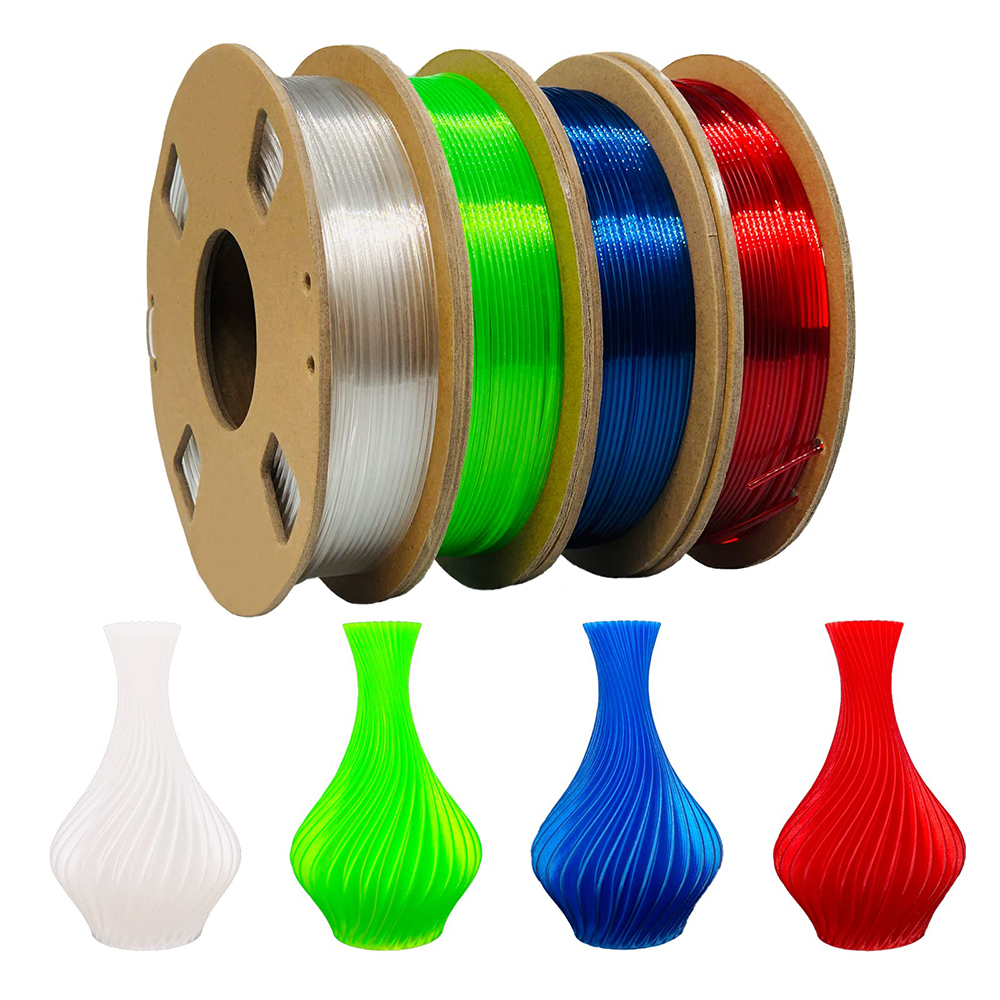
The Revolutionary Role of Soft TPU Filament in Drone Structural Architecture
The unmanned aerial vehicle (UAV) and autonomous drone industry has witnessed an unprecedented technological leap over the past decade. Modern commercial, industrial, and defense drones are no longer limited to smooth, controlled flight paths; they are routinely deployed in severe weather conditions, tight subterranean tunnels, dense forest canopies, and high-vibration tactical environments. Under such rigorous mechanical demands, traditional rigid framing materials—such as carbon fiber composites, standard aluminum alloys, and brittle rigid polymers—reveal distinct operational vulnerabilities.
While carbon fiber delivers unmatched tensile stiffness and a high strength-to-weight ratio, its crystalline and brittle matrix exhibits virtually zero plastic deformation during high-velocity impacts or high-frequency motor harmonics. When a standard carbon fiber arm or motor mount experiences sudden shock or continuous micro-vibrations, the energy is directly transmitted into sensitive flight controllers, optical gimbal payloads, and onboard LiDAR sensors. Soft Thermoplastic Polyurethane (TPU) filament has emerged as the definitive engineering material to resolve these fundamental aerospace challenges, forging a new paradigm of crash-tolerant, vibration-damped hybrid drone airframes.
Kinetic Shock Absorption
Soft TPU behaves as a dynamic viscoelastic spring, dissipating peak crash forces through reversible elastomeric deformation instead of catastrophic structural fracture.
Vibration Harmonics Neutralization
Engineered Shore hardness profiles isolate high-RPM brushless motor vibrations, eliminating jello-effect artifacts in camera systems and gyro resonance errors.
Optimizing UAV Dynamic Resilience with Additive Elastomers
In high-speed FPV (First Person View) racing frames, heavy-lift agricultural delivery quadcopters, and autonomous reconnaissance drones, airframe longevity depends on multi-axial energy dissipation. Soft TPU filaments, typically formulated within the 85A to 95A Shore hardness envelope, present a unique combination of rubber-like elasticity and thermoplastic processability. When extruded via precision fused deposition modeling (FDM), the molecular chains align to create isotropic inter-layer bonding that outperforms nearly all conventional rigid polymers in z-axis peel resistance.
Tactical Landing Gears
Integrated hollow-lattice TPU landing skids compress progressively upon hard touchdown, protecting sub-fuselage sensor packages without adding metal springs or pneumatic dampers.
Aerodynamic Antenna Canopies
Electromagnetically transparent and impact-resilient, TPU housing pods shield delicate 5.8GHz/2.4GHz antenna arrays and GPS receivers from rollover friction and direct collisions.
Bionic Hybrid Arm Bumpers
Co-molded or multi-material hybrid frame ends wrap around rigid carbon fiber structural spars, redistributing corner collisions and preventing carbon delamination.
Commercial and Industrial Market Growth Trends
The global commercial drone market is projected to expand significantly over the next decade, with inspection, logistics, and surveillance sectors leading the demand. As industrial operators transition from disposable consumer airframes to customized enterprise fleets, maintenance downtime has become a critical operational metric. Drones engineered with modular soft TPU structural components exhibit up to a 65% reduction in field-repair frequency compared to all-rigid airframes.
Furthermore, the surge in urban air mobility (UAM) and warehouse inventory automation demands human-safe drone architectures. Soft TPU propeller guards and external structural bumpers minimize hazard risks to human personnel and sensitive industrial infrastructure, establishing TPU as a mandatory engineering polymer in collaborative aerial robotics.
Viscoelastic Damping and Sensor Signal Integrity
Modern autonomous navigation systems rely heavily on inertial measurement units (IMUs) operating at frequencies upwards of 8kHz to 32kHz. High-speed motor rotation inherently introduces mechanical noise that corrupts accelerometer and gyroscope datasets. Soft TPU structural standoffs and soft-mounted flight stack isolators act as low-pass mechanical filters. By engineering specific internal infill patterns (such as gyroid or cross-3D infills) into TPU components, aerospace engineers can tune the natural resonance frequency of structural assemblies away from the operational motor RPM range, completely eliminating sensor saturation without complex electronic filtering.
| Material Property | Industrial Soft TPU (85A/95A) | Standard Rigid PLA/ABS | Engineering Carbon Fiber Nylon |
|---|---|---|---|
| Impact Resistance (kJ/m²) | No Break (Extreme Resilience) | 2.5 - 4.5 (Brittle Fracture) | 9.0 - 15.0 (Moderate Energy Absorption) |
| Tensile Elongation at Break (%) | 450% - 600% | 3% - 8% | 15% - 30% |
| Vibration Damping Coefficient | Very High (Viscoelastic Damping) | Low (Vibration Transmissive) | Medium (Stiffness Dominant) |
| Chemical & UV Resistance | Superior (Oils, Fuels, Ozone) | Poor to Moderate | High (Susceptible to Moisture) |
| Inter-Layer Adhesion Efficiency | 98% - 100% (Molecular Fusion) | 60% - 75% | 70% - 85% |
Rigorous Factory Standards & Engineering Assurance
Every spool of high-grade drone structural filament is manufactured under comprehensive ISO-certified protocols with end-to-end quality validation.
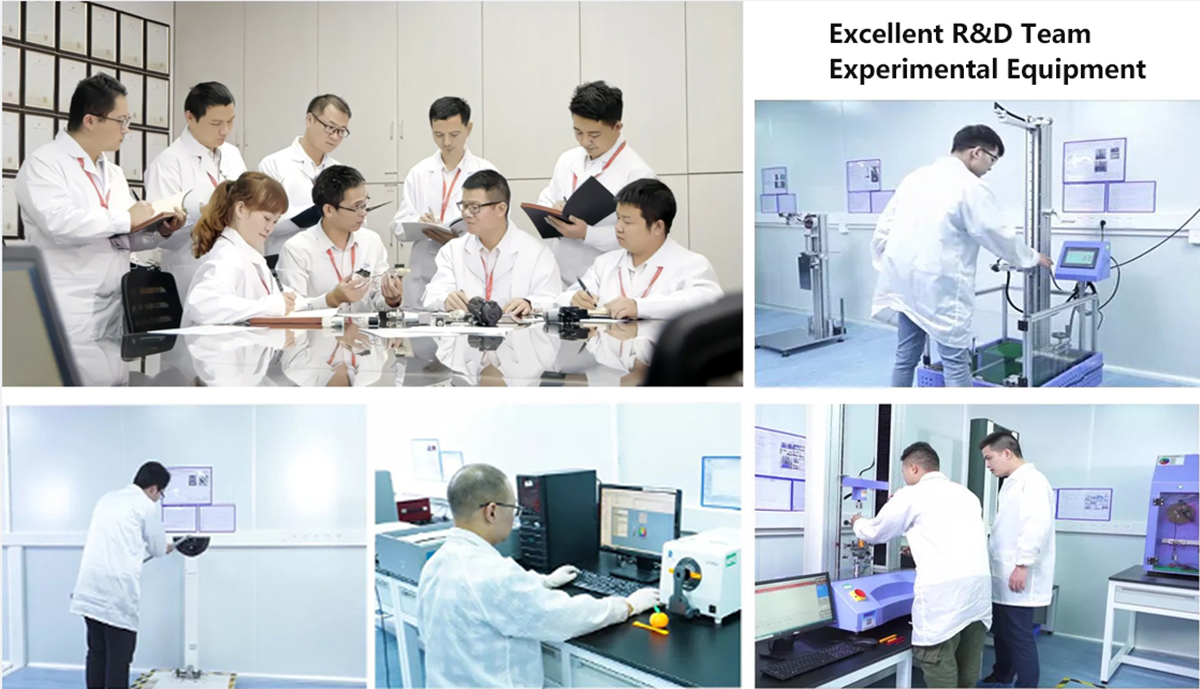
Quality Control
The factory area has passed ISO45001 occupational health and safety management system certification. Every new employee must be experienced one week of safety production knowledge teaching and two weeks of produce skills training, and master every course in the production process. Who is in the position will be responsible for its duty.
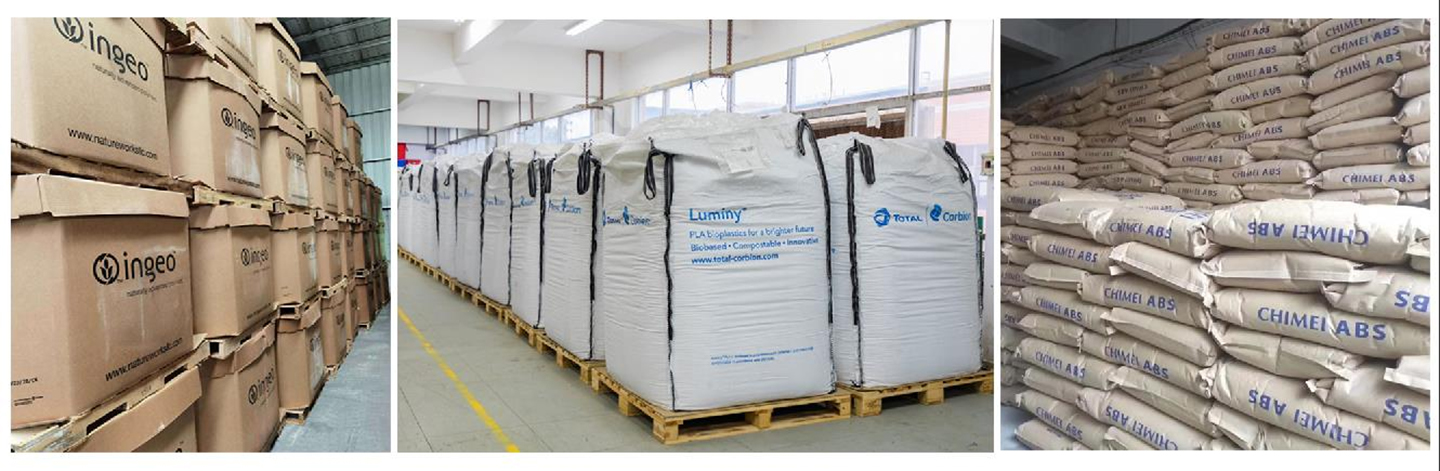
Raw Material
PLA is the most preferred material for 3D printing, Torwell firstly chooses PLA from US NatureWorks, and Total-Corbion is the alternative. ABS from TaiWan ChiMei, PETG from South Korea SK. Each batch of main raw materials comes from the partners who has cooperated more than 5 years to ensure the reliability of the products from the source. Each batch of raw materials will undergo parameters inspection before produce to ensure that raw materials are original and virginal.
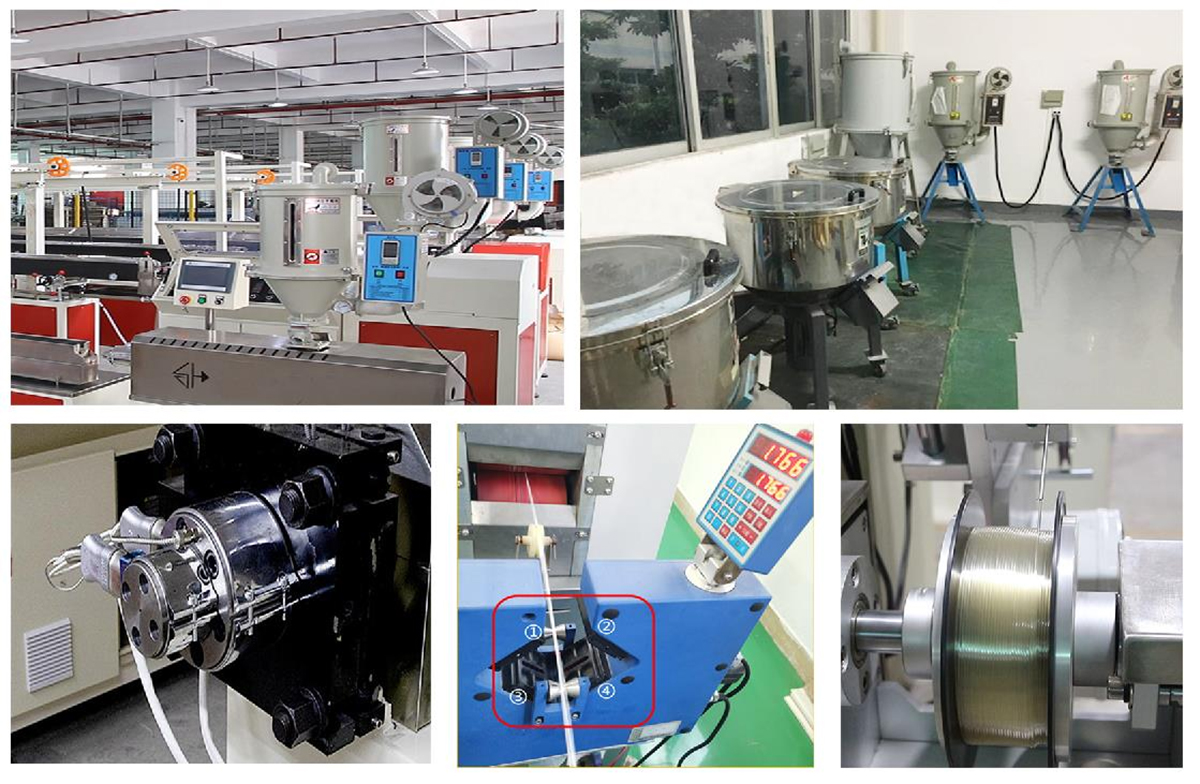
Equipment
The manufacturing workshop will make arrangements after the inspection of raw materials, at least two engineers cross-check the clearance of mixing tank, color mixed of material, humidity from hopper dryer, temperature of extruder, hot/cool tank, and trial-produce and debugging the produce line to make sure all of processes in the best condition. Maintain the filament Diameter tolerance +/- 0.02mm, Roundness tolerance +/- 0.02mm.
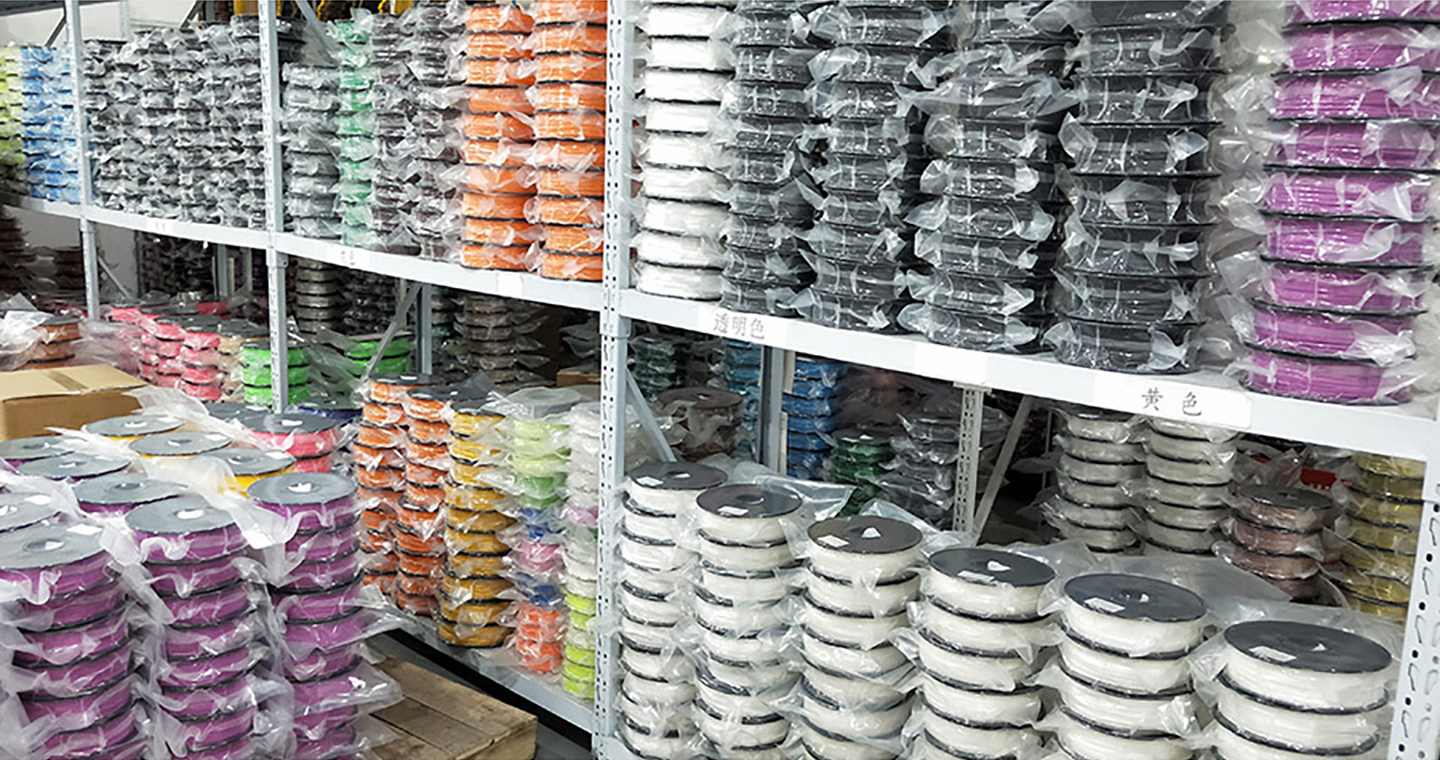
Final Inspection
After each batch of 3D filament is produced, two quality inspectors will conduct random inspections on each batch of finished products in accordance with the requirements of the standard, such as diameter tolerance, color consistency, strength and toughness and so on. After vacuuming the package, place them for 24 hours to check whether there is any leaking package, then label it and finish the package.
Precision Extrusion Protocols for Soft TPU Drone Structures
Successfully producing high-strength drone frames from soft TPU filament requires precise control over thermal kinetics, extrusion feeder dynamics, and slicing parameters. Unlike standard rigid polymers, elastomeric filaments exhibit viscoelastic memory and lower columnar buckling resistance. Adhering to professional additive manufacturing standards ensures flawless inter-layer fusion and structural integrity:
- Direct-Drive Extruder Alignment: Ensure a constrained, low-friction filament path between the dual drive gears and the melt zone to prevent filament buckling or jamming during high-speed retractions.
- Extrusion Temperature Control: Maintain nozzle temperatures between 215°C and 235°C depending on Shore hardness. Higher temperatures enhance polymer chain cross-linking across layers, yielding isotropic structural durability essential for aerial crash resistance.
- Optimized Print Speed & Cooling: Operate at controlled print speeds between 25mm/s and 45mm/s. Moderate part cooling preserves dimensional accuracy on sharp overhangs while allowing sufficient thermal retention for superior layer adhesion.
- Infill Density and Structural Topologies: For shock-absorbing drone bumpers and motor mounts, employ gyroid or 3D honeycomb infill geometries at 30% to 50% density. For structural frame arms and landing gear skids, increase infill to 80%–100% with at least 4 perimeter walls.
Engineered Filaments for Complete Drone Systems
From high-impact flexible bumpers to ultra-rigid motor mounts and lightweight aerodynamic canopies, select the exact polymer for your aerospace mission.