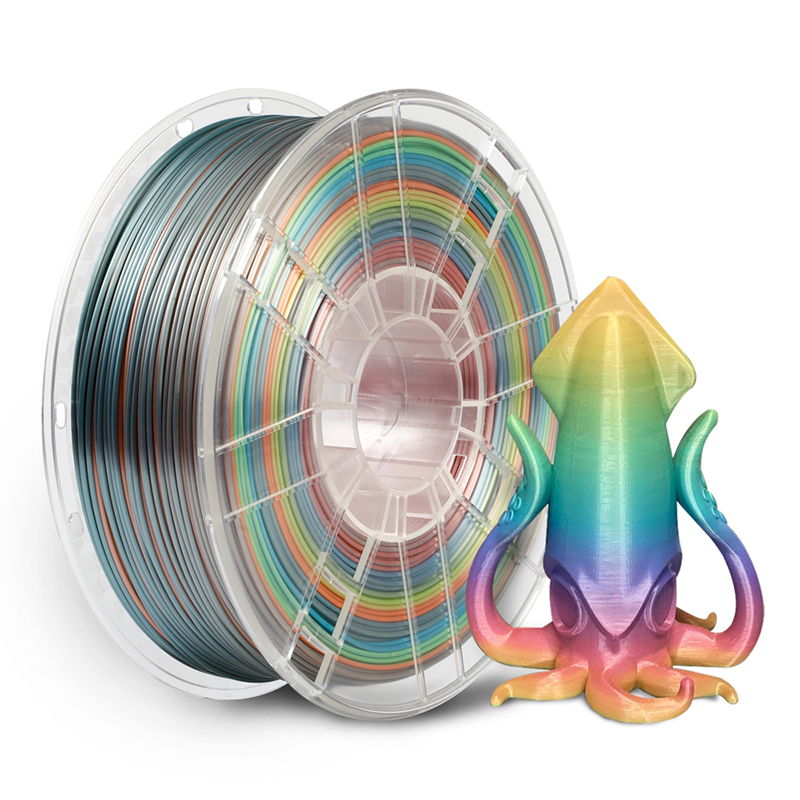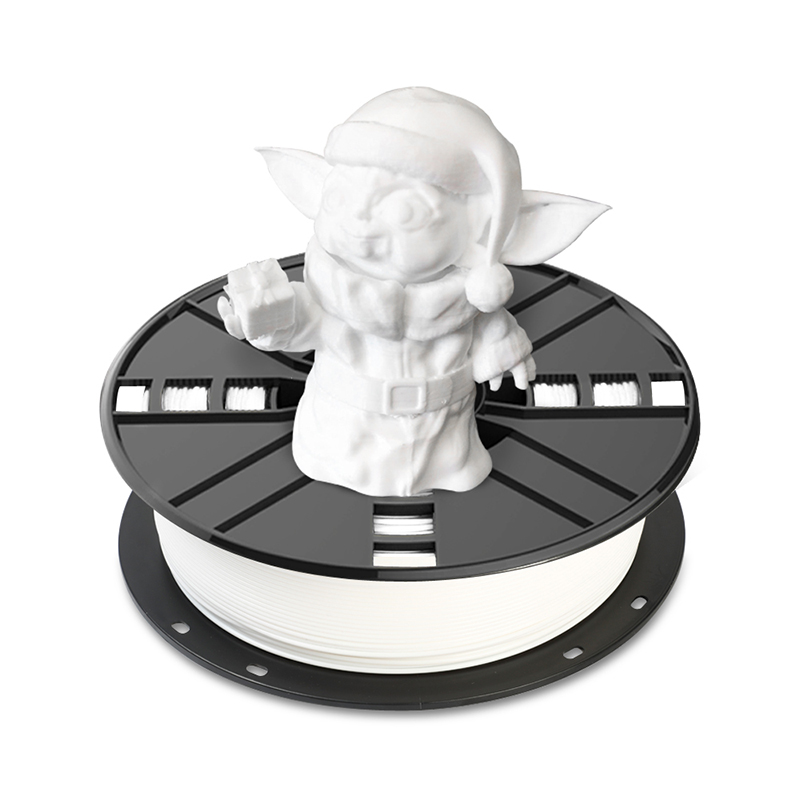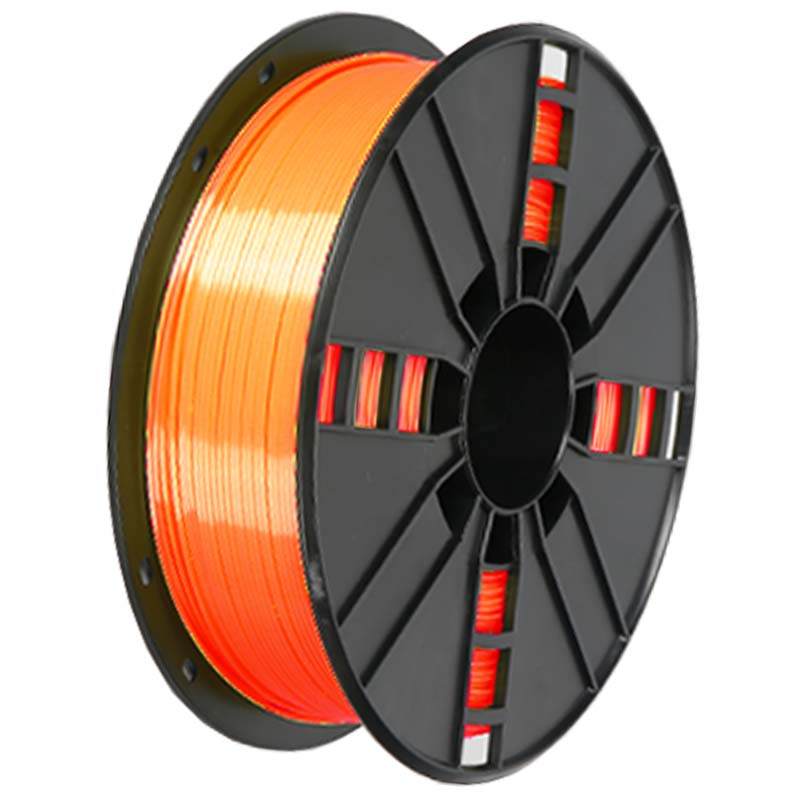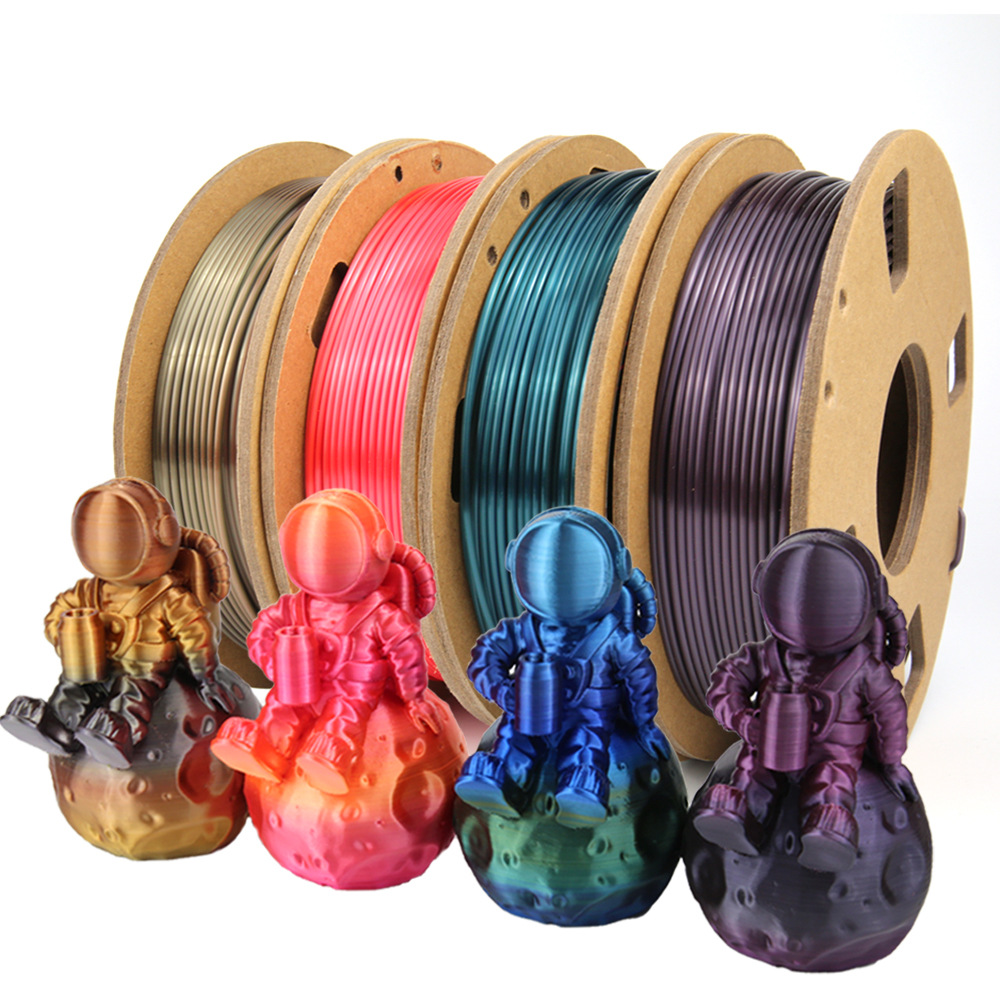
Featured Rapid-Prototyping & Elastomeric Filaments
Explore our industry-grade thermoplastic polyurethane and performance filaments optimized for custom fitness tracker bands, skin-interfacing straps, and ergonomic enclosures.
The Evolution of Soft TPU Filaments in Next-Gen Wearable Tech
Bridging the gap between traditional liquid injection molding and agile, on-demand additive manufacturing for fitness tracking wearables.
Mass Customization & Anthropometry
Standard injection-molded silicone and rubber bands are limited to standardized dimensional gradations. Soft TPU 3D printing filaments empower manufacturers and direct-to-consumer medical brands to construct custom-tailored lattice geometries matching exact wrist curvatures and biometric sensor anchor points.
Biocompatible Skin Interfacing
Continuous 24/7 physiological tracking demands zero cytotoxic reaction, superior resistance against sebaceous skin oils, resistance to perspiration acids, and anti-allergic surface interaction. Premium grade TPU filaments provide hypoallergenic, soft-touch properties that prevent contact dermatitis during athletic exertion.
Dynamic Sensor Housing Integrity
Modern smart fitness bands integrate optical photoplethysmography (PPG), galvanic skin response (GSR), and ECG micro-electrodes. Soft TPU delivers the vital flexural modulus to absorb torsional shock while maintaining tight, hermetic water-resistant seals around fragile microchip hardware.
Engineered Shore Hardness: Balancing Micro-Flexibility with Printability
The engineering challenge in manufacturing soft wearable fitness tracker bands lies in calibrating the Shore Hardness scale. Standard FDM printers often struggle with ultra-flexible materials due to filament buckling in the extruder drive gear. Our advanced soft TPU filaments achieve the pinnacle of mechanical equilibrium between Shore 85A, 90A, and 95A formulations.
By optimizing the crystalline hard segment to amorphous soft segment ratio in the polyurethane matrix, our soft TPU provides an elongation at break exceeding 550%, exceptional interlaminar shear strength, and frictionless feedability through modern direct-drive extrusion systems.
Key Parameter Milestone: High tensile recovery ensures that after tens of thousands of wrist flexing cycles and impact stresses, the wearable strap returns to its precise original geometry without plastic deformation or fatigue tearing.
Raw Material Integrity: Certified Virgin Polymers for Wearables
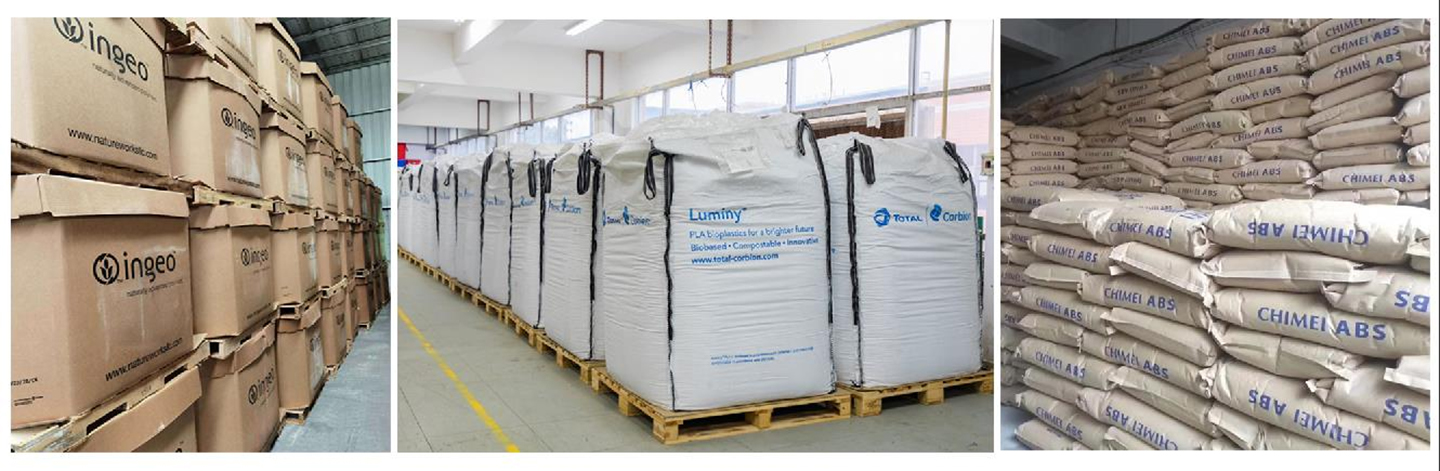
PLA is the most preferred material for 3D printing, Torwell firstly chooses PLA from US NatureWorks, and Total-Corbion is the alternative. ABS from TaiWan ChiMei, PETG from South Korea SK. Each batch of main raw materials comes from the partners who has cooperated more than 5 years to ensure the reliability of the products from the source. Each batch of raw materials will undergo parameters inspection before produce to ensure that raw materials are original and virginal.
For wearable applications, uncompromised purity is mandatory. Our medical-grade and wearable-grade TPU elastomeric pellets are free from non-reactive plasticizers, heavy metals, or toxic phthalates, ensuring unyielding thermal stability during high-temperature fused filament fabrication (FFF) without off-gassing volatile organic compounds (VOCs).
State-of-the-Art Extrusion Equipment & Precision Calibration
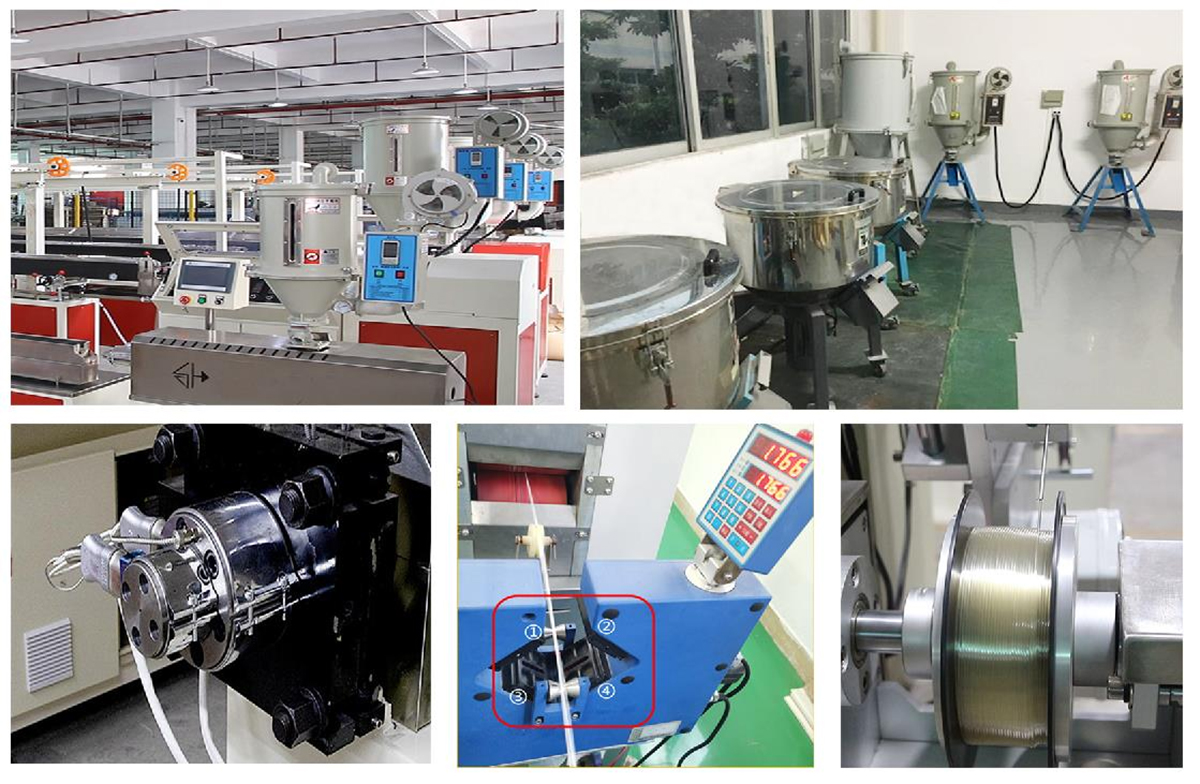
The manufacturing workshop will make arrangements after the inspection of raw materials, at least two engineers cross-check the clearance of mixing tank, color mixed of material, humidity from hopper dryer, temperature of extruder, hot/cool tank, and trial-produce and debugging the produce line to make sure all of processes in the best condition. Maintain the filament Diameter tolerance +/- 0.02mm, Roundness tolerance +/- 0.02mm.
In soft TPU filament manufacturing for wearable applications, maintaining tight diameter tolerances is essential. Even a 0.03mm deviation can result in under-extrusion in intricate lattice straps or over-extrusion that compromises the waterproof sensor snap-fit cavities. Our closed-loop dual-axis laser measurement gauges operate continuously at high frequency to guarantee absolute concentricity.
Laser-Controlled Uniformity: +/- 0.02mm roundness tolerance guarantees smooth filament feeding through Bowden tubes and Direct Drive extruders without jamming or clogging.
Quality Control & Hermetic Vacuum Packaging Protocols
The factory area has passed ISO45001 occupational health and safety management system certification. Every new employee must be experienced one week of safety production knowledge teaching and two weeks of produce skills training, and master every course in the production process. Who is in the position will be responsible for its duty.
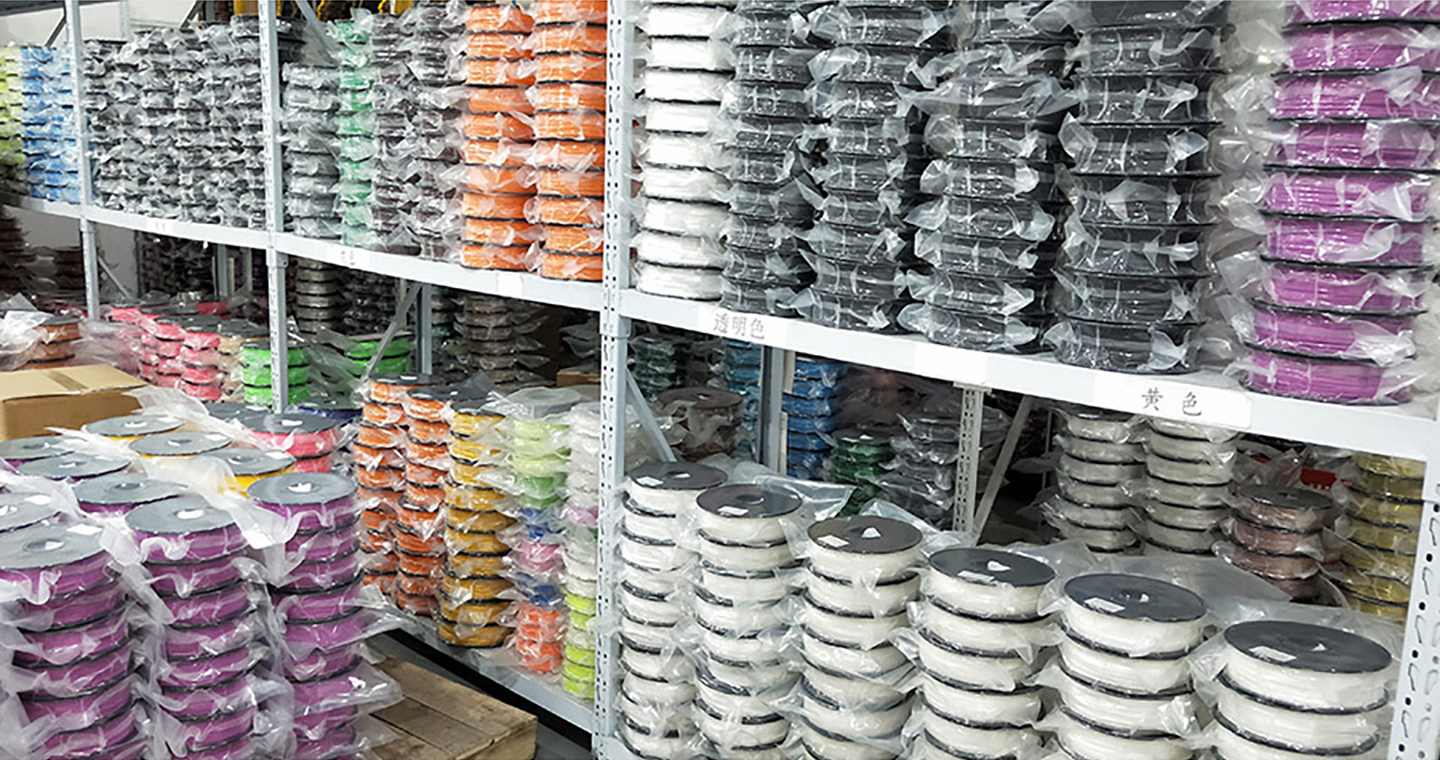
After each batch of 3D filament is produced, two quality inspectors will conduct random inspections on each batch of finished products in accordance with the requirements of the standard, such as diameter tolerance, color consistency, strength and toughness and so on. After vacuuming the package, place them for 24 hours to check whether there is any leaking package, then label it and finish the package.
Because soft TPU is inherently hygroscopic, our desiccant-infused multi-layer vacuum packaging guarantees zero moisture absorption during transoceanic shipping and extended warehouse storage, ensuring bubble-free printing straight out of the box.
Specialized Wearable Fitness Band Application Scenarios
Analyzing how soft TPU filament unlocks revolutionary structural and biomechanical solutions in high-performance wearable devices.
1. Breathable Micro-Lattice Athletic Wristbands
Traditional solid silicone fitness bands trap sweat, leading to moisture buildup, bacterial proliferation, skin irritation, and signal distortion for optical heart rate monitors. Utilizing parametric generative design and soft TPU filament, engineers can 3D print open-cell Voronoi and gyroid lattice architectures. These structures provide continuous passive airflow, evaporate moisture instantly during high-intensity interval training (HIIT), and reduce band weight by up to 45% compared to molded silicone.
- Thermoregulation & Comfort: Dissipates microclimate heat buildup beneath the wristband.
- Weight Reduction: Optimized strength-to-density ratio prevents wrist fatigue during marathons and triathlons.
- Shock Dissipation: Absorbs mechanical shock during powerlifting and cross-training exercises.
2. Integrated Sensor Enclosures & Flexible Overmolding Prototypes
Medical-grade wearable telemetry devices, continuous glucose monitors (CGM), and cardiac telemetry bands require specialized enclosures where soft elastomeric straps interface seamlessly with rigid sensor modules. 3D printing with soft TPU enables single-print monolithic band-and-case integration, eliminating mechanical hinges, snap pins, and screws that could fail under cyclic strain.
- Hermetic Ingress Protection: Shore 90A/95A TPU provides sufficient radial tension to form IP68 waterproof seals around optical sensor glass lenses.
- Variable Density Zones: Infill modulation allows a single print to feature a rigid 100% solid core for PCB mounting surrounded by ultra-soft 15% infill cushioning on skin contact perimeters.
3. Tactical, Military & Rugged Extreme-Sport Straps
Tactical military operators and extreme mountaineers operate in extreme environments ranging from sub-zero mountain ranges to humid tropical jungles. Traditional rubber elastomers degrade when exposed to ultraviolet radiation, saltwater corrosion, chemical bug repellents (DEET), and extreme thermal cycling. Soft TPU filament demonstrates outstanding resistance to hydrolysis, ozone degradation, and abrasion.
- Extreme Tear Resistance: Exceptional notch-tear strength prevents catastrophic failure even when nicked by sharp climbing rocks or tactical equipment.
- Hydrolytic Stability: Resists breakdown from prolonged immersion in saline marine environments and persistent biological sweat exposure.
Future Trends: Conductive Elastomers & Bio-Based Polyurethanes
The next horizon for wearable fitness trackers combines additive material synthesis with ambient biometric intelligence.
Electroactive Conductive TPU Traces
The industry is transitioning toward hybrid multi-material printing where soft TPU filaments are embedded with conductive carbon nanotubes (CNTs) or graphene nanoplatelets. This breakthrough enables 3D printers to fabricate the mechanical wristband while simultaneously laying conductive circuit traces inside the strap itself. These embedded traces can act as dry-contact ECG electrodes, continuous skin temperature sensors, or integrated antennas, eliminating the need for internal wire harnesses and ribbon cables.
Eco-Friendly Bio-Based Thermoplastic Polyurethanes
As consumer electronics brands commit to aggressive net-zero carbon initiatives, the demand for petroleum-free wearable components has surged. The development of bio-based TPU filaments—synthesized from non-food agricultural biomass and plant-derived castor oil polyols—delivers identical elongation, tensile strength, and skin comfort while reducing the cradle-to-gate carbon footprint by over 40%.
Complete 3D Printer Filament Catalog for Wearables & Hardware Prototyping
Explore our comprehensive lineup of production-ready filaments, from flexible elastomers to aesthetic silks and carbon-reinforced polymers.