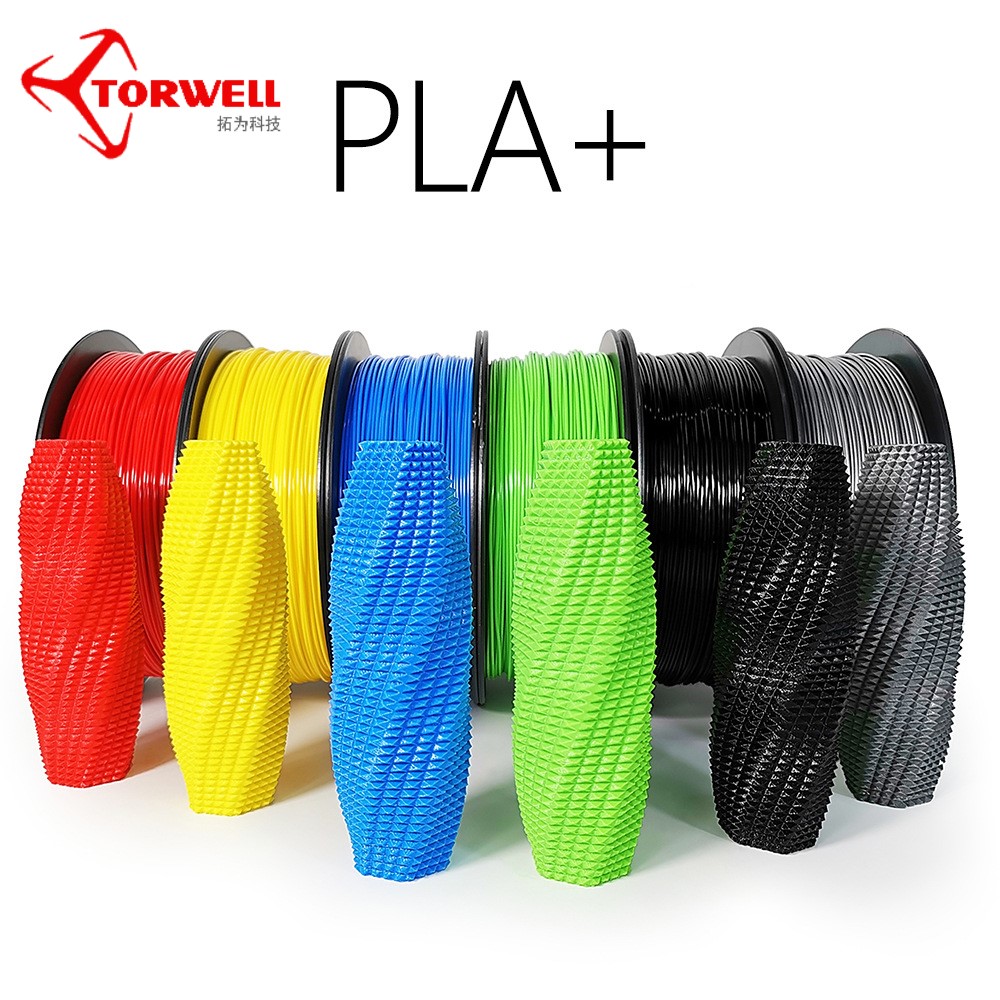
Featured Industrial 3D Printing Polymers
Premium grade thermoplastic polyurethanes and technical filaments for high-performance fabrication
Commercial & Industrial Landscape in the United States
Strategic adoption of flexible polymers across modern American manufacturing sectors
Reshoring & Local Supply Chains
US manufacturers are increasingly turning to specialized domestic thermoplastic elastomer compounding to decrease lead times, enhance supply chain resilience, and comply with strict national production standards.
Automated Extrusion Control
Modern extrusion facilities leverage AI-driven optical closed-loop monitoring to regulate filament diameter and ovality within +/- 0.02mm tolerances, ensuring snag-free performance in direct-drive and Bowden systems.
Engineered Elastomeric Profiles
Demand in North America is transitioning from standard Shore 95A materials toward hyper-soft formulations (85A, 70A, 60A) that mimic silicone and rubber for advanced functional seals and ergonomic components.
The manufacturing ecosystem across North America is undergoing a technological renaissance. Industrial soft TPU (Thermoplastic Polyurethane) filaments have emerged as essential engineering materials for precision prototyping, tooling jigs, vibration dampening fixtures, and functional end-use parts. United States enterprises across automotive corridors in the Midwest, medical technology hubs in California and Massachusetts, and aerospace clusters in Texas and Washington demand uncompromising material reliability. As domestic factories modernize, the integration of high-grade flexible filaments bridge the gap between traditional injection molding economics and agile additive production cycles.
Key Sector Applications Across the US Market
Solving complex engineering challenges with Shore hardness adaptability and impact resistance
Automotive & Robotics
Production of custom protective boots, pneumatic air intake conduits, robotic soft grippers, anti-vibration bushings, and chemical-resistant wire harnesses designed to survive grease and harsh engine fluids.
Biomedical & Prosthetics
Custom flexible orthopedic linings, dynamic wearable medical device housings, anatomical simulation models for pre-surgical planning, and biocompatible comfort interfaces customized per patient anatomy.
Consumer & Sportswear
Direct digital manufacturing of energy-returning lattice midsoles for athletic footwear, impact-absorbing protective gear, acoustic dampeners, and tactical rugged enclosures for high-impact electronics.
Thermoplastic polyurethane combines the mechanical performance of rubber with the processing efficiency of thermoplastics. In localized manufacturing settings, the chemical composition of ether-based and ester-based TPUs provides resistance to hydrolysis, microbial growth, ultraviolet degradation, and abrasion. This makes soft TPU the preferred filament option for rugged exterior environments, fluid containment gaskets, and low-temperature flexibility tests.
Quality Control & Certified Facilities
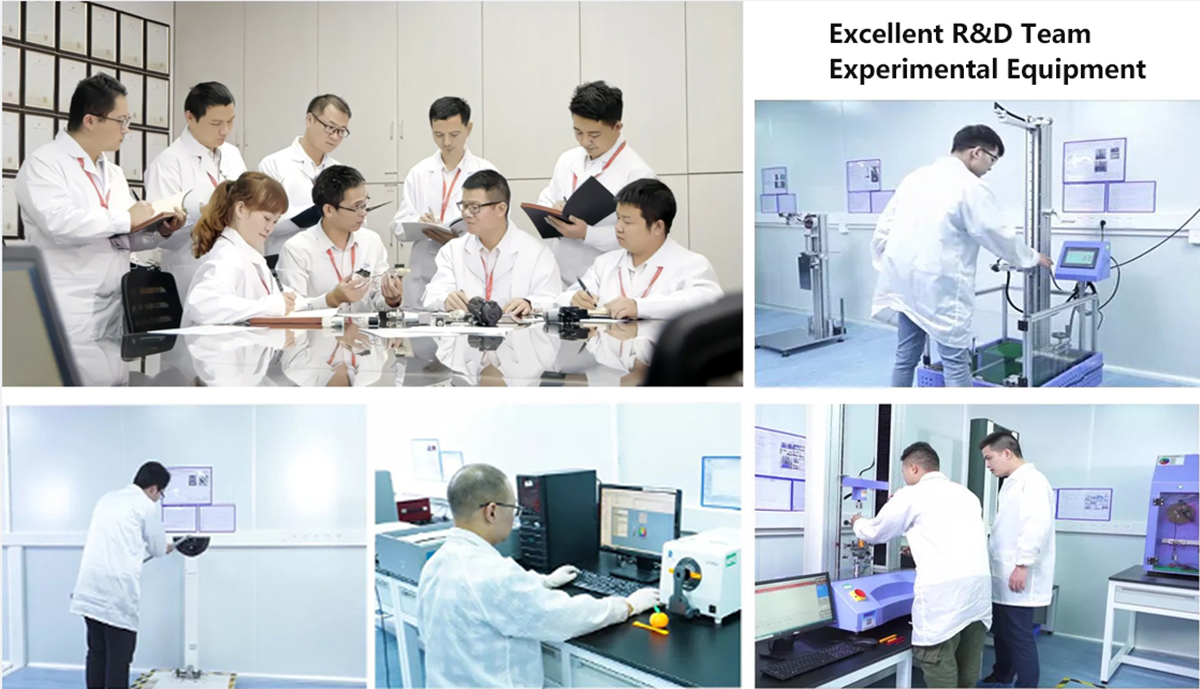
The factory area has passed ISO45001 occupational health and safety management system certification. Every new employee must be experienced one week of safety production knowledge teaching and two weeks of produce skills training, and master every course in the production process. Who is in the position will be responsible for its duty.
Through systematic operational rigor, our facilities maintain strict compliance with cleanroom-level handling, ensuring raw polymeric resins remain contamination-free before extrusion, spooling, and hermetic sealing.
Virgin Raw Material Sourcing
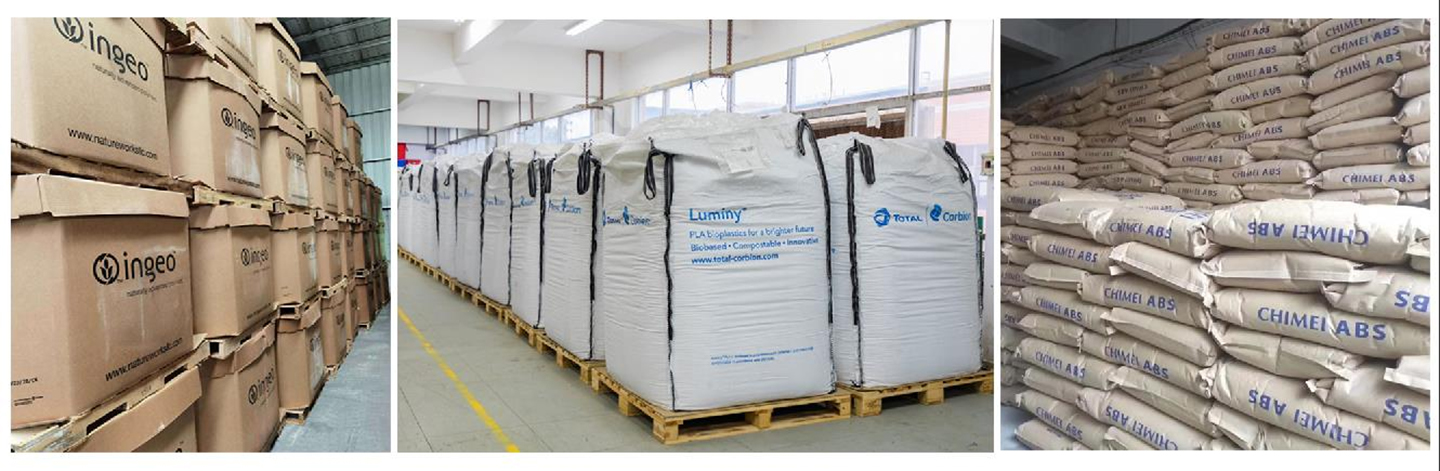
PLA is the most preferred material for 3D printing, Torwell firstly chooses PLA from US NatureWorks, and Total-Corbion is the alternative. ABS from TaiWan ChiMei, PETG from South Korea SK. Each batch of main raw materials comes from the partners who has cooperated more than 5 years to ensure the reliability of the products from the source. Each batch of raw materials will undergo parameters inspection before produce to ensure that raw materials are original and virginal.
For our soft TPU line, high-purity polyurethane polyols and diisocyanates are selected to ensure superior melt flow indices, thermal stability, interlayer bonding, and minimal stringing during fast retraction cycles.
Precision Extrusion Equipment
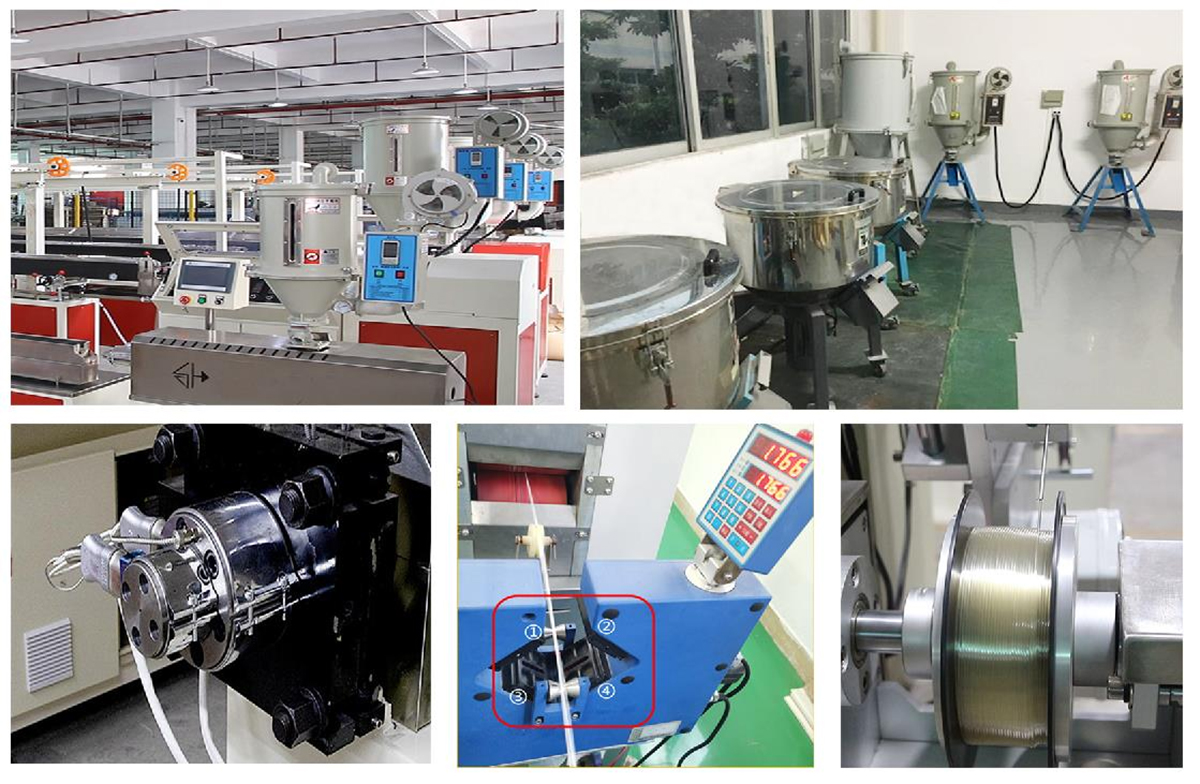
The manufacturing workshop will make arrangements after the inspection of raw materials, at least two engineers cross-check the clearance of mixing tank, color mixed of material, humidity from hopper dryer, temperature of extruder, hot/cool tank, and trial-produce and debugging the produce line to make sure all of processes in the best condition. Maintain the filament Diameter tolerance +/- 0.02mm, Roundness tolerance +/- 0.02mm.
Our intelligent temperature zones eliminate thermal degradation within the barrel, safeguarding the elastomer's molecular weight and guaranteeing homogeneous elastic recovery characteristics across the entire spool.
Comprehensive Final Inspection
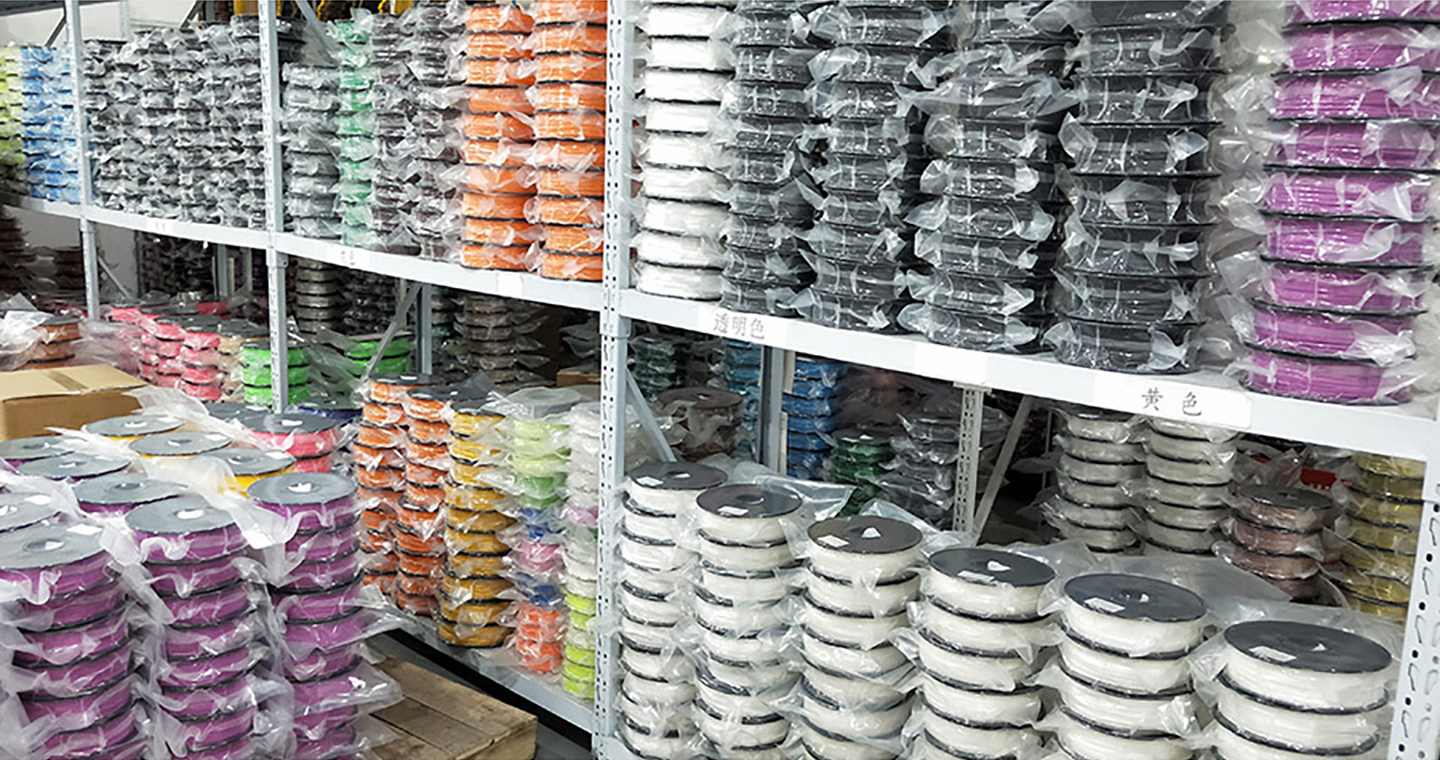
After each batch of 3D filament is produced, two quality inspectors will conduct random inspections on each batch of finished products in accordance with the requirements of the standard, such as diameter tolerance, color consistency, strength and toughness and so on. After vacuuming the package, place them for 24 hours to check whether there is any leaking package, then label it and finish the package.
Moisture control is paramount for soft TPU filaments. Spools are immediately desiccated and foil-vacuum sealed to maintain less than 0.05% moisture content, eliminating foaming and ensuring smooth, bubble-free extrusions.
Future Trends in Soft TPU Additive Manufacturing
Continuous innovation shaping the future of North American flexible manufacturing
High-Speed Flexible Formulations
Development of optimized slip agents and higher shore-modulus cores to enable soft TPU printing speeds exceeding 150-250 mm/s on next-generation high-speed direct-drive FDM platforms without buckling.
Conductive & Electrostatic TPU
Formulations infused with carbon nanotubes and graphene for ESD-safe electronics production, smart flexible sensing matrices, and integrated soft-robotic tactile sensors.
Flame Retardant & Bio-TPU
Emergence of UL94 V-0 certified self-extinguishing flexible grades alongside bio-derived monomer chains from renewable sources to meet corporate ESG and environmental directives across North America.
Complete Filament Catalog & Engineering Materials
Explore our complete lineup of high-precision polymers engineered for consistent 3D printing performance
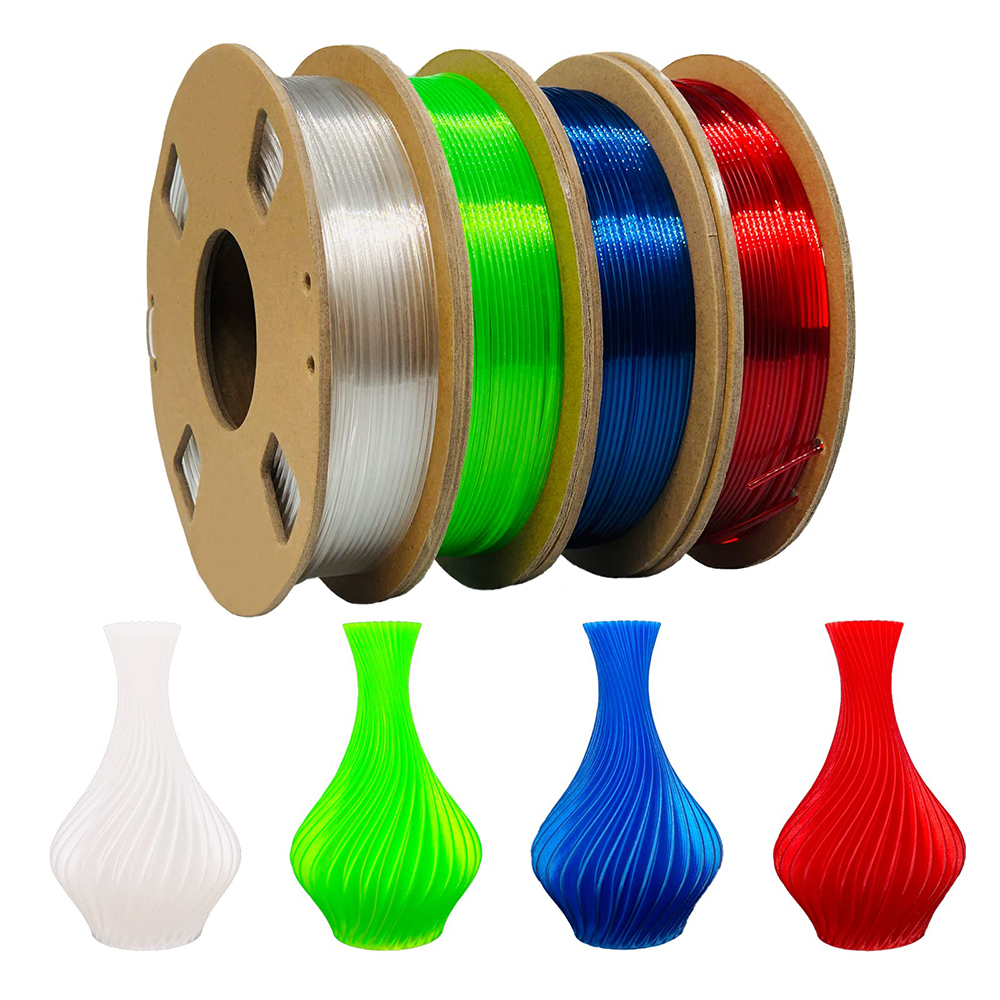
PETG Filament with multi-color for 3D printing, 1.75mm, 1kg
Engineering Grade PETG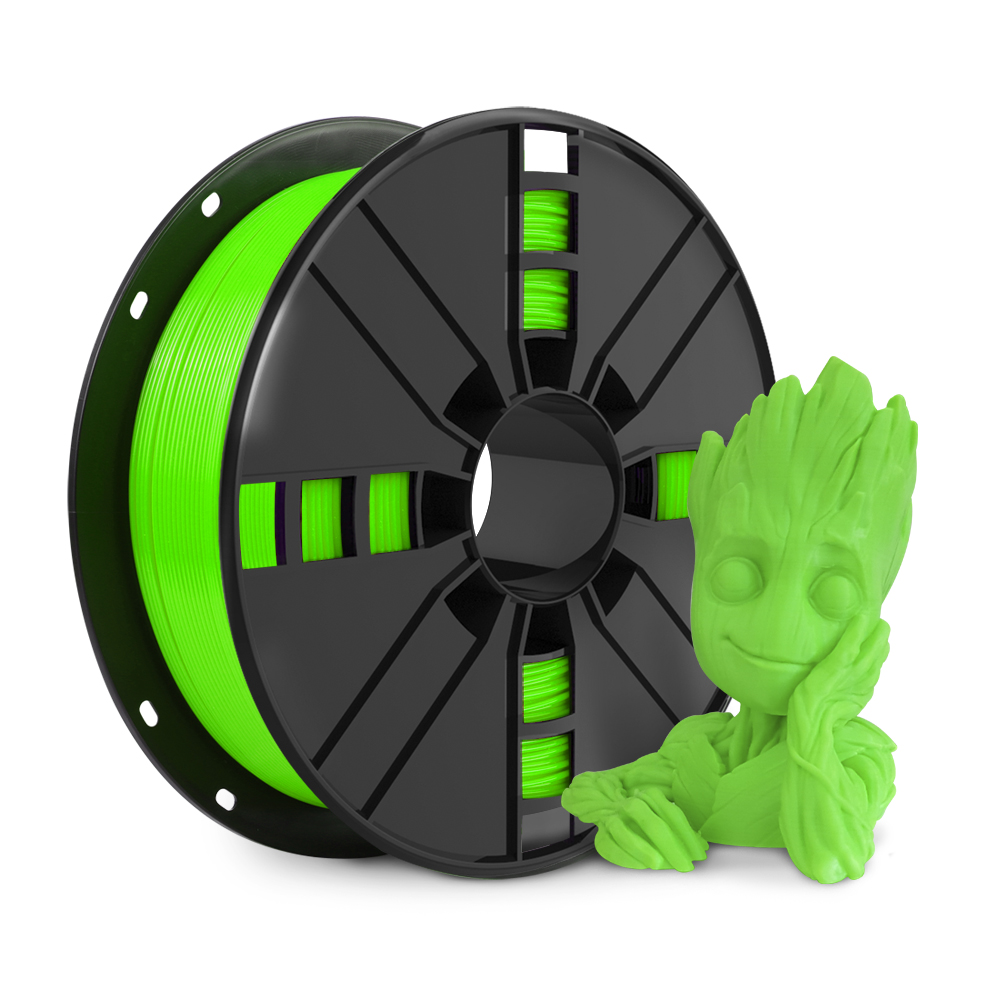
Pla printer filament green color
Precision PLA Series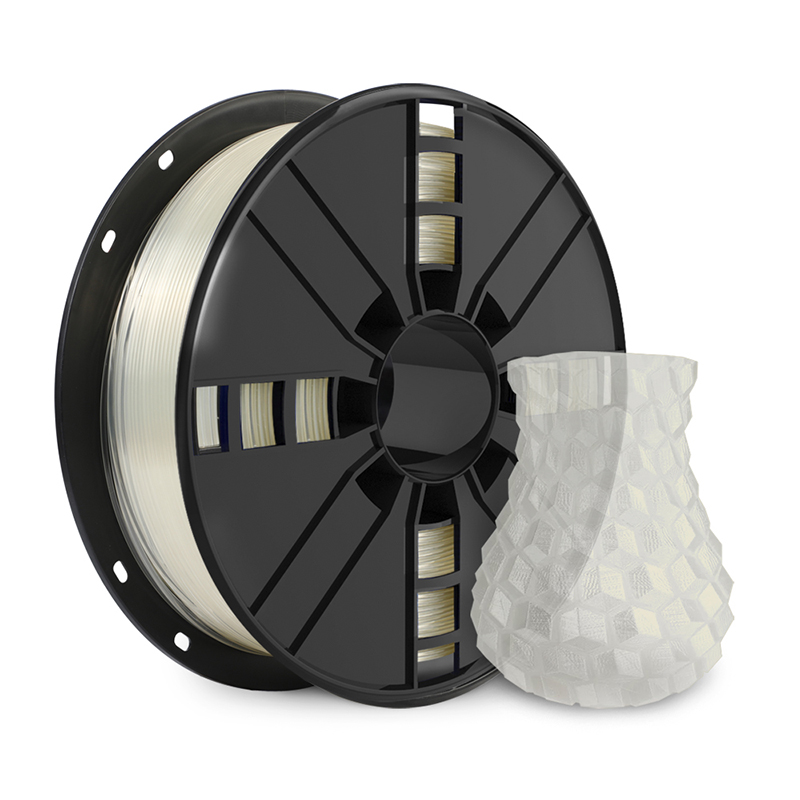
3D Print Transparent PLA Filament
Optical Clear PLA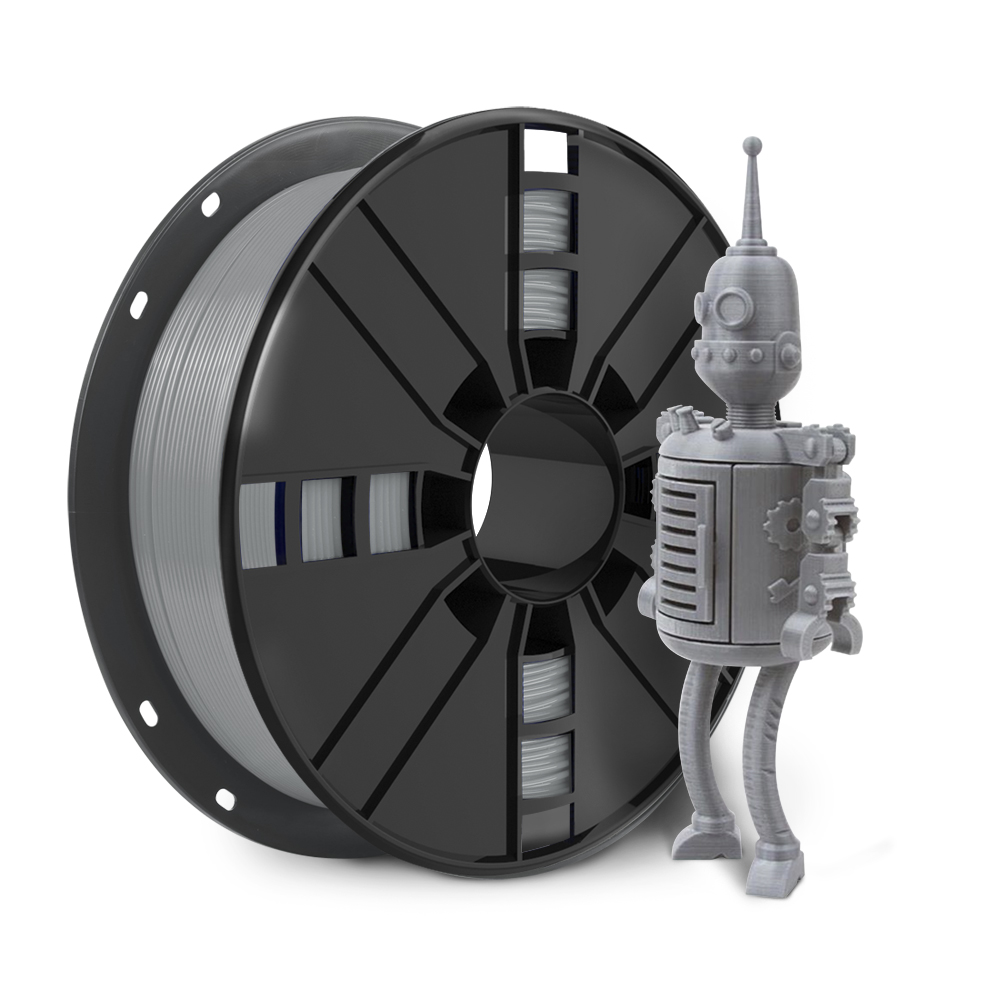
PLA Filament Grey color 1kg spool
Standard Grey PLA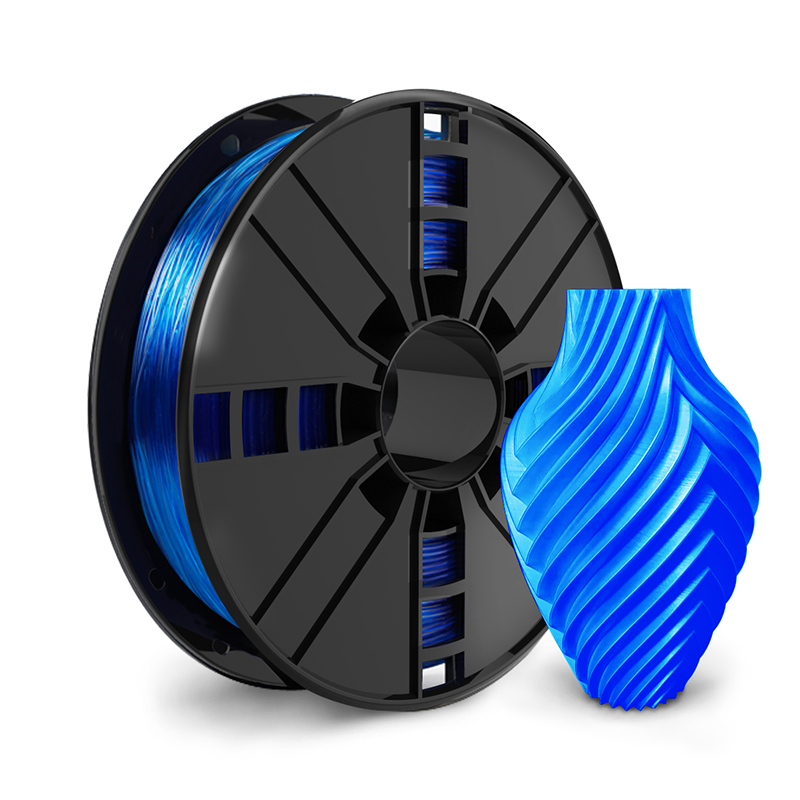
Flexible 3D filament TPU blue 1.75mm Shore A 95
Industrial Soft TPU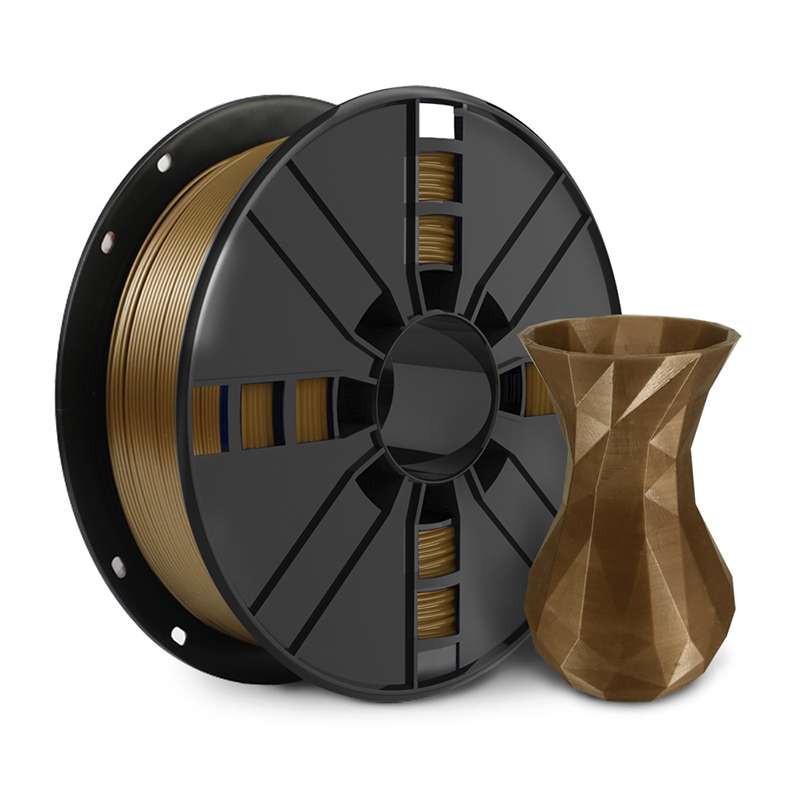
1.75mm 1kg Gold PLA 3D Printer Filament
Metallic Silk PLA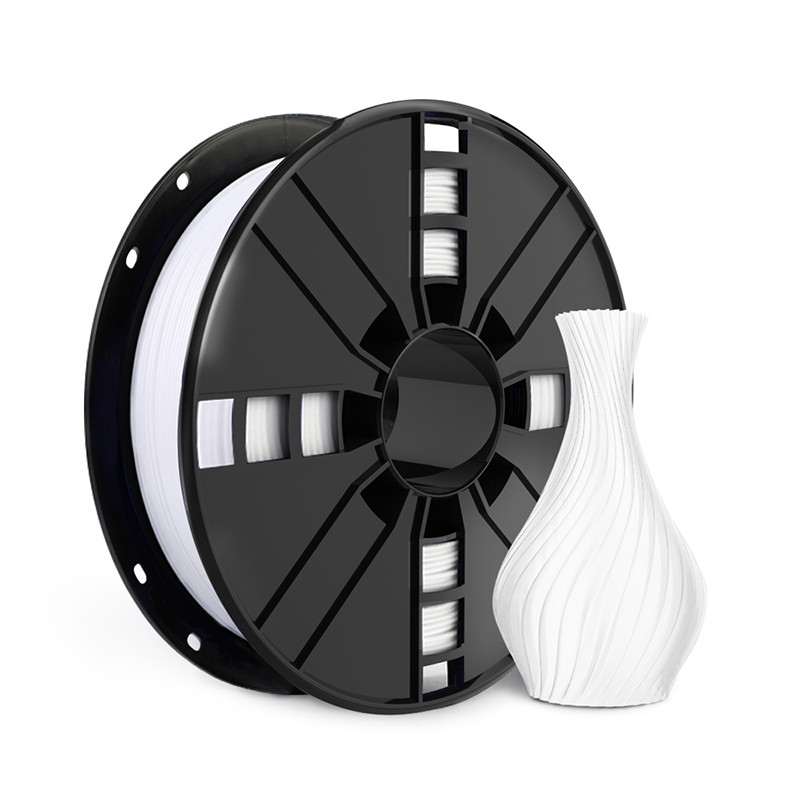
1.75mm white PETG Filament for 3D printing
Opaque White PETG