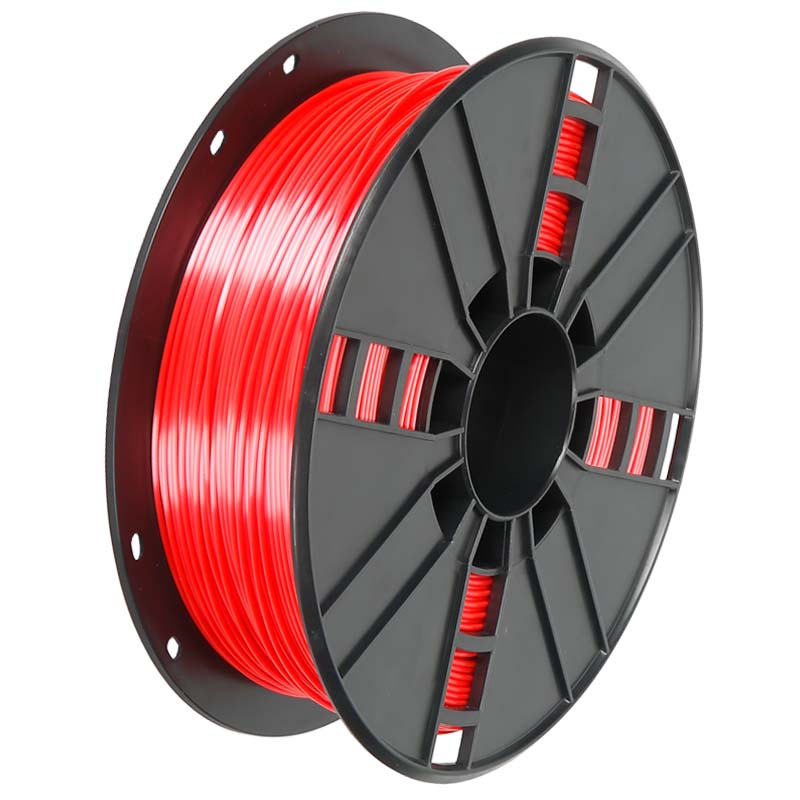
Primary Additive Materials for Mechanical Mounting & Fixtures
Explore our top-tier polymer formulations optimized for high-tensile brackets, structural prototypes, and rugged industrial assembly components.
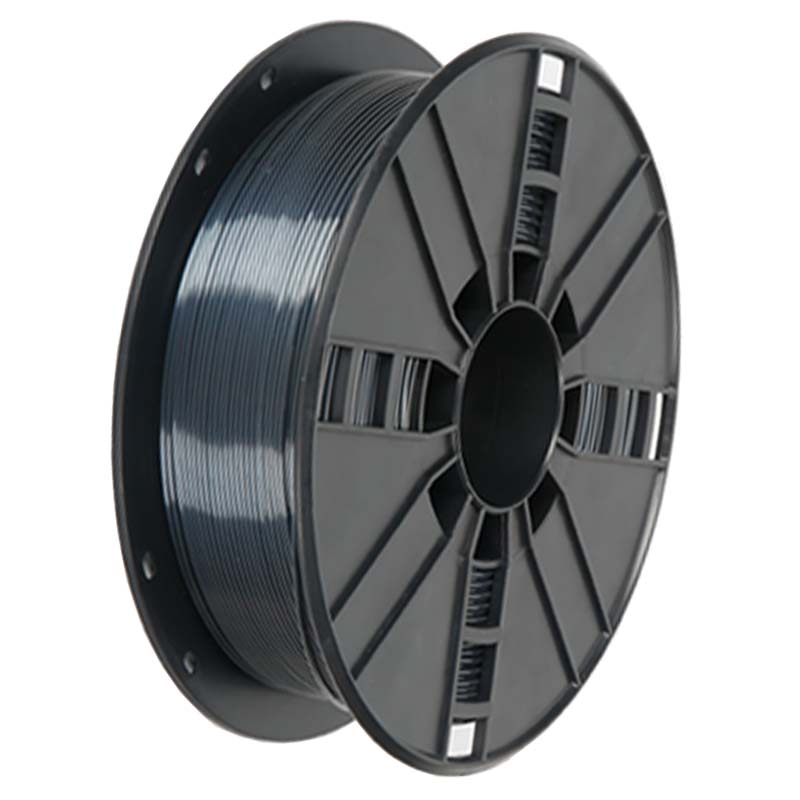
Silk PLA 3D Filament Silk shiny 3D filament
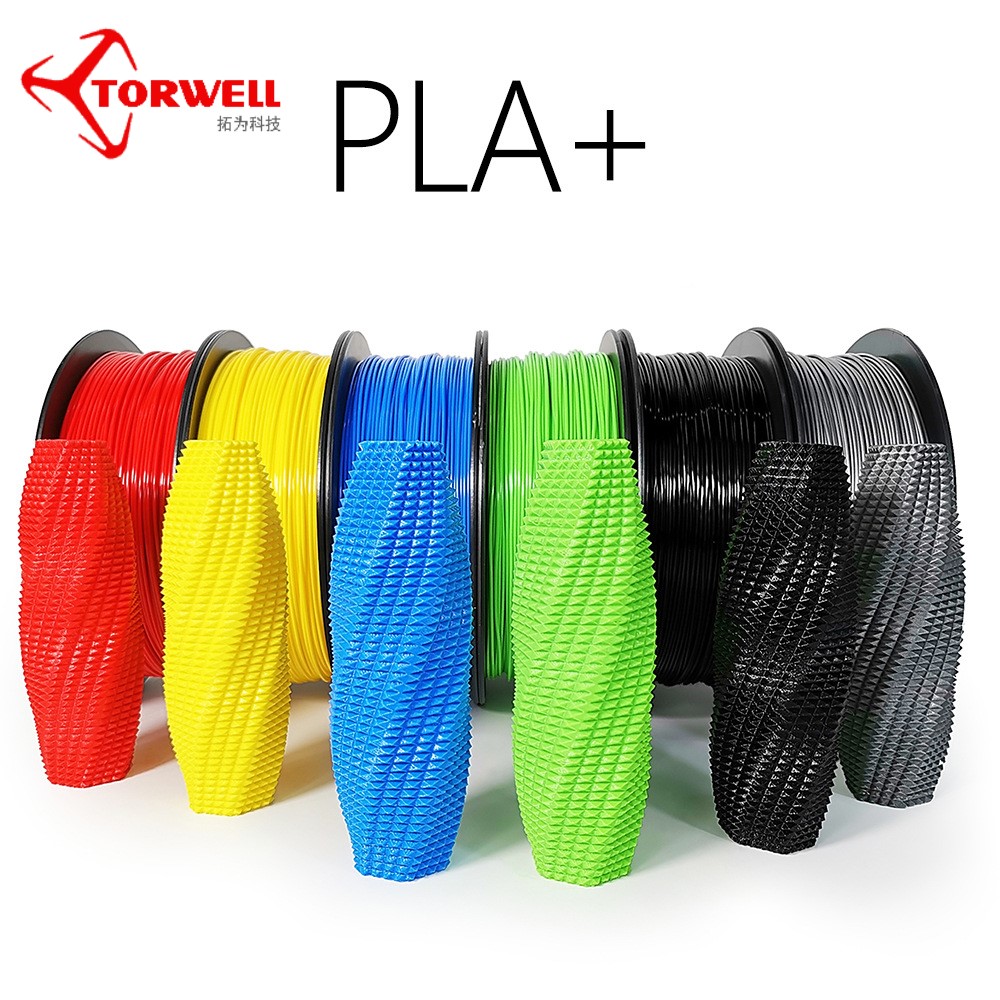
Torwell PLA PLUS Pro (PLA+) Filament with high strength, 1.75mm 2.85mm 1kg spool
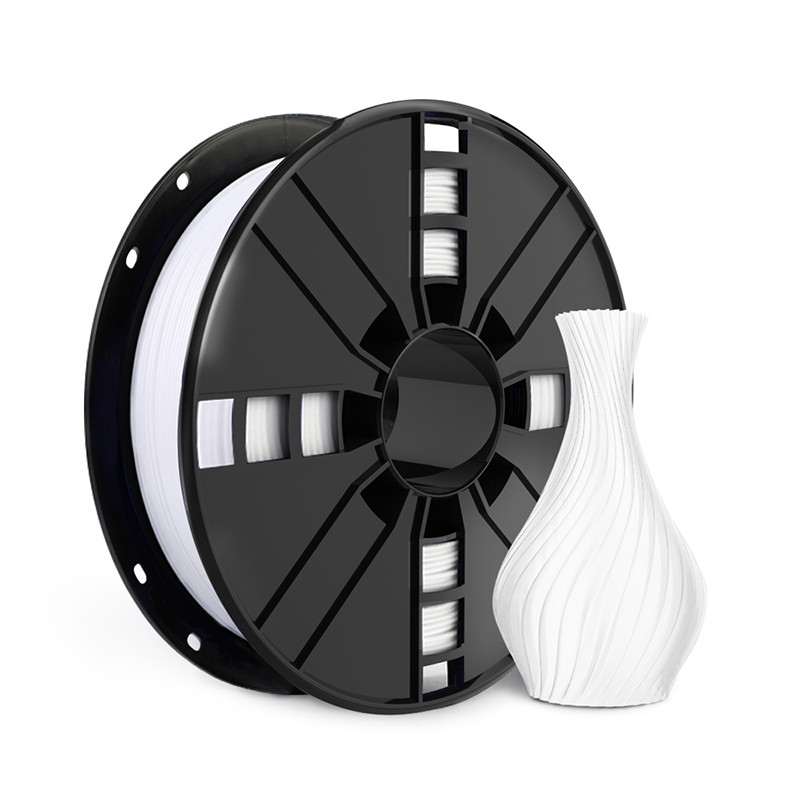
1.75mm white PETG Filament for 3D printing
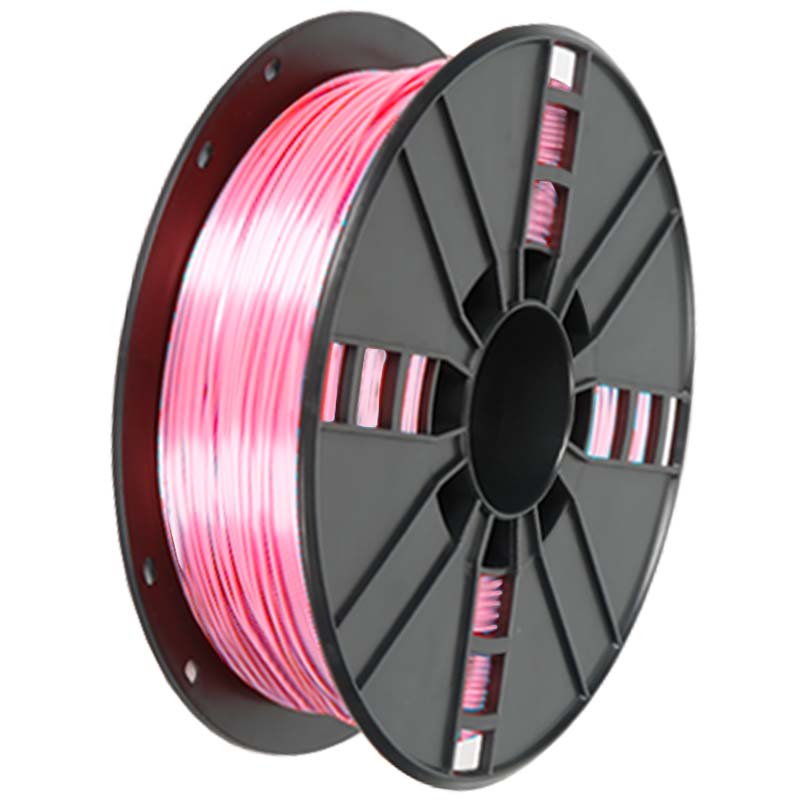
Silky Shiny 3D Printing Material for 3D Printer and 3D Pen, 1kg 1 Spool
The Evolution of TPU 3D Printing Filament in Industrial Mechanical Bracket Systems
In modern industrial manufacturing and automation, structural components have traditionally relied on machined aluminum, stamped steel, or rigid engineering polymers such as polyamides and polycarbonates. However, contemporary mechanical bracket design faces severe operational challenges characterized by cyclic shock loads, harmonic resonance, multi-axis micro-vibrations, and chemical degradation. Thermoplastic Polyurethane (TPU) 3D printing filament has radically disrupted this paradigm, establishing itself as the premier engineering material for manufacturing durable, wear-resistant, and dynamically compliant mechanical brackets.
Unlike rigid plastics that suffer from micro-fracturing and catastrophic fatigue failure under sustained mechanical oscillation, TPU combines the elastic resilience of rubber with the structural integrity and processability of thermoplastics. Engineered formulations of TPU filament (spanning Shore hardness ratings from 85A to 98A and 55D to 64D) allow design engineers to fine-tune energy dissipation characteristics, achieving brackets that actively dampen motor oscillations, protect delicate electronics, and securely fasten high-pressure hydraulic and pneumatic lines.
Dynamic Harmonic Damping
TPU brackets dissipate mechanical vibration energy directly through visco-elastic hysteresis, preventing resonance buildup across high-speed robotic linkages and conveyor transfer points.
Superior Interlayer Cohesion
With an elongated thermal plasticization window, TPU layers achieve near-isotropic tensile bonding, eliminating the z-axis shear delamination typical of traditional FDM/FFF filaments.
Tribological & Impact Durability
High Shore hardness TPU delivers exceptional abrasion resistance against aggressive friction, abrasive particulate streams, and repeated mechanical impacts without plastic deformation.
Commercial & Industrial Market Trends for High-Performance TPU Brackets
The global demand for additive-manufactured elastomeric brackets is experiencing unprecedented commercial expansion, driven by three pivotal industrial shifts: smart factory automation, weight-reduction mandates in aerospace and e-mobility, and the distributed manufacturing imperative.
1. Tooling-Free Rapid Deployment in Industrial Automation: Conventional CNC fabrication or polyurethane casting of custom isolation dampers requires costly molds and extensive lead times of 4 to 8 weeks. Industrial-grade TPU 3D printing filament allows automation integrators to iterate, test, and deploy functional custom-geometry brackets in less than 12 hours. This hyper-rapid turnaround slashes downtime costs in automotive assembly plants and semiconductor fabrication suites.
2. Transition to Generative Lattice-Infilled Brackets: Leveraging advanced CAD algorithmic design and modern slicer capabilities, engineers can now produce TPU brackets with variable internal density—such as Gyroid, Schwarz Primitive, or Octet truss infills. These multi-density structures provide rigid mounting flanges at bolt anchor interfaces while maintaining compressible, shock-absorbing cores at critical vibration-dampening zones.
3. Advanced Material Hybrids & Carbon-Elastomer Formulations: Industry development is accelerating toward modified TPU formulations, including carbon-nanotube reinforced TPU, flame-retardant (UL94-V0) elastomers, and electrostatic dissipative (ESD-safe) TPU filaments. These specialized compounds allow mechanical brackets to operate safely in volatile petrochemical atmospheres, cleanroom electronics assembly lines, and high-temperature engine compartments.
| Mechanical Property | Standard Rigid PLA/ABS | Industrial PETG | Engineering TPU Filament (95A) | Performance Advantage for Brackets |
|---|---|---|---|---|
| Elongation at Break (%) | 4% - 15% | 30% - 50% | 450% - 600% | Prevents brittle failure under sudden high-impact loads |
| Impact Strength (kJ/m²) | 2.5 - 5.0 (Brittle) | 6.0 - 8.0 | No Break (Extremely Tough) | Absorbs heavy dropped tool collisions and continuous shock |
| Vibration Damping Ratio | Low (Transmits Vibration) | Moderate | Exceptional (Viscoelastic) | Protects sensitive sensors and stabilizes motor mounts |
| Chemical & Oil Resistance | Poor to Moderate | Good | Excellent (Industrial Oils/Greases) | Survives prolonged exposure to coolants, fuels, and lubricants |
| Layer Adhesion Strength (Z-Axis) | 40% - 60% of XY | 65% - 75% of XY | 85% - 95% of XY (Near-Isotropic) | Eliminates shear detachment under multidirectional forces |
Deep Application Scenario Breakdown: Where TPU Brackets Deliver Unmatched Value
The operational versatility of TPU filament makes it indispensable across demanding industrial environments:
1. Robotic End-of-Arm Tooling (EOAT) & Sensor Brackets
In high-acceleration Cartesian and 6-axis articulated robotic arms, end-effector brackets experience severe inertial g-forces during abrupt directional reversals. Rigid printed brackets quickly develop micro-cracks around fastener holes. High-hardness TPU brackets (95A–98A) absorb inertial jolts, securely clamp LiDAR, vision cameras, and vacuum manifold lines, and prevent surface scratching on delicate automotive body panels.
2. Compressor & Heavy Electric Motor Isolation Brackets
Industrial HVAC compressors, water pumps, and high-RPM electric drives generate intense harmonic oscillations. TPU 3D printed isolation brackets act as integrated structural couplers and dampers, eliminating metal-to-metal rattle, reducing ambient decibel emissions, and preventing structural fastener back-out caused by prolonged vibrational fatigue.
3. Mobile Machinery Cable & Hydraulic Hose Routing Clamps
Agricultural equipment, mining haulers, and CNC gantry cranes utilize complex bundles of high-pressure hydraulic hoses that expand, contract, and flex during continuous duty cycles. TPU guide brackets provide flexible restraint without cutting into outer hose jackets, maintaining superior abrasion resilience even when subjected to road grit, mud, hydraulic fluid splash, and UV radiation.
4. Drone Avionics & Gimbal Mounting Brackets
Commercial inspection drones require lightweight mounting brackets that isolate optical sensor payloads from high-frequency propeller turbulence and motor vibrations (jello effect). TPU filament provides the optimal balance of ultralight mass, environmental durability from -20°C to +80°C, and acoustic decoupling.
Comprehensive 3D Printing Parameter Optimization for Industrial TPU Mechanical Brackets
Achieving superior mechanical strength and flawless layer bonding with TPU filament requires precise parameter control across the manufacturing workflow:
- Extruder Configuration: A Direct-Drive extrusion system with a constrained filament path between the dual drive gears and the melt zone is highly recommended to eliminate filament buckling. For Bowden setups, use lower retraction speeds and higher-durometer TPU (95A+).
- Nozzle Temperature & Melt Flow: Maintain hotend temperatures between 215°C and 235°C depending on print speed. Higher extrusion temperatures ensure maximum molecular cross-linking between adjacent layers, resulting in leak-proof and tear-resistant structural brackets.
- Print Speed & Pressure Advance: Maintain consistent volumetric extrusion speeds between 25 mm/s and 50 mm/s. Calibrate Linear Advance / Pressure Advance to prevent bulging at sharp bracket corners and mounting bosses.
- Wall Thickness & Infill Strategies: For industrial mechanical brackets subjected to cantilevered loads, specify at least 4 to 6 continuous perimeters. Implement Gyroid or 3D Concentric infill at 40% to 70% density to ensure uniform multi-axis load distribution.
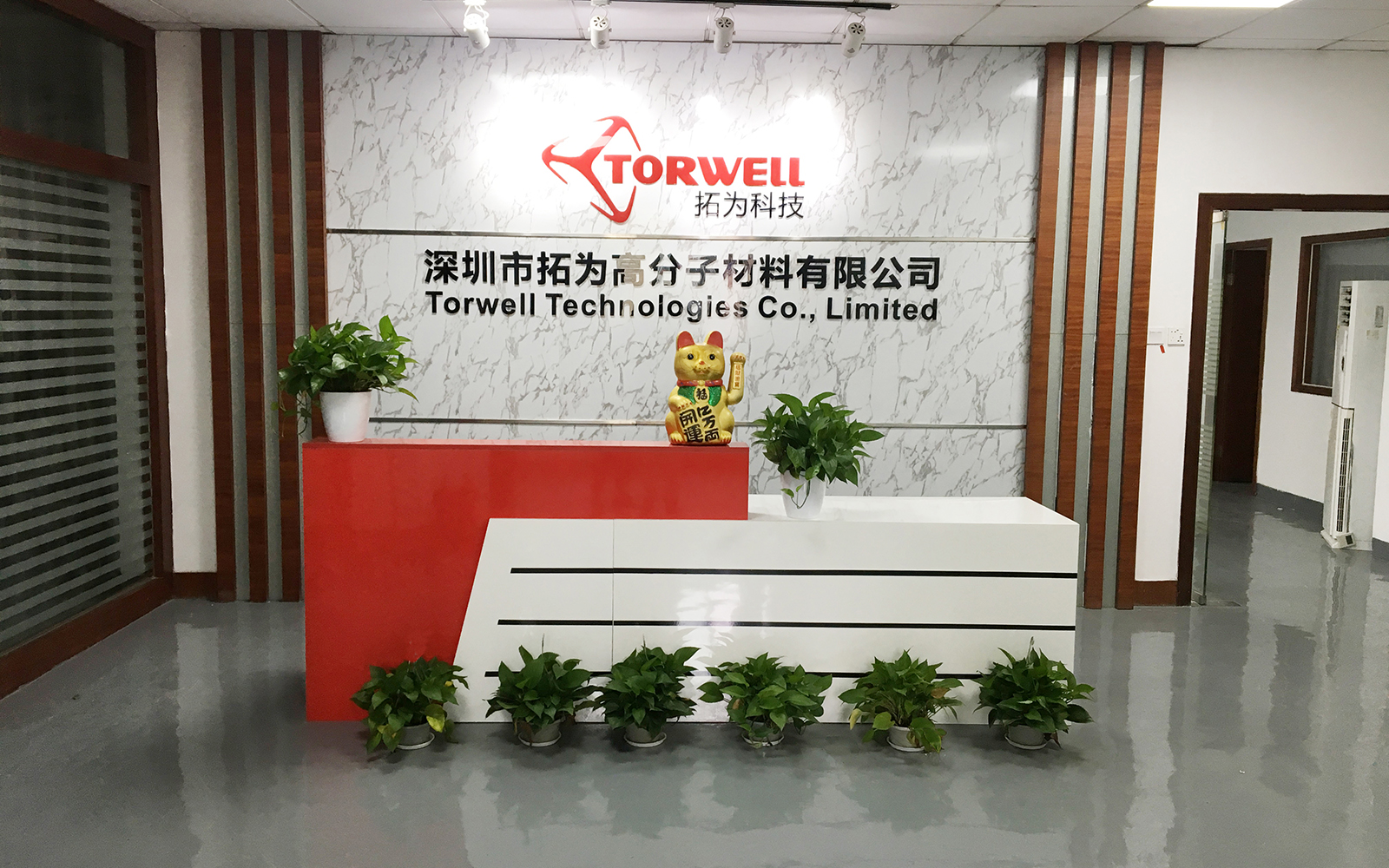
Company Profile & Manufacturing Capacity
Founded in 2011, Torwell Technologies Co., Ltd. is one of the earliest high-tech enterprises which specializing in high–tech 3D printer filaments research, manufacture and sell, occupies 2,500 square meters modern factory with production capacity of 50,000kgs per month.
With more than 10years experiences in 3D printing market exploration, cooperated with Institute for High Technology and New Materials in domestic famous universities, and engaging Polymer materials experts as technical adviser, Torwell becomes one of member of Chinese rapid prototyping association and leader enterprise with the most innovative products in 3D printing industry, owns independent intellectual property rights, patents and trademarks(Torwell US, Torwell EU, NovaMaker US, NovaMaker EU).
Torwell passed international quality management system ISO9001, international environment system ISO14001, the advanced manufacturing equipment, test devices and virgin raw materials available are introduced to produce and distribute 3D printer filament of unparalleled quality, to insure all the products of Torwell are compliant with RoHS standard, MSDS, Reach, TUV and SGS test certificated.
Be a reliable and professional 3D printing partner, Torwell has committed to expanding its products to America, Canada, UK, Germany, Netherlands, France, Spain, Sweden, Italy, Russia, Mexico, Australia, New Zealand, Brazil, Argentina, Japan, South Korea, Vietnam, Thailand, Malaysia, India, more than 80 countries and regions.
Frequently Asked Questions: TPU Industrial Brackets
Key engineering insights for manufacturing durable mechanical mounts, shock dampening brackets, and flexible assemblies.
Why choose TPU over PETG or ABS for mechanical brackets?
While ABS and PETG offer excellent rigidity, they lack dynamic energy absorption and crack under cyclic vibration or sudden impact shocks. TPU provides up to 600% elongation at break and exceptional viscoelastic damping, preventing bracket fractures under harsh industrial working conditions.
What Shore Hardness is recommended for industrial brackets?
Shore 95A to 98A is the gold standard for structural brackets, offering a balance between rigid geometric stability and shock compliance. For heavy-load vibration isolators, 90A is preferred; for high-deflection clamping brackets, 85A delivers maximum flexibility.
How does TPU filament perform under oil and chemical exposure?
TPU exhibits superior resistance to petroleum greases, mineral oils, lubricating coolants, and automotive hydrocarbons compared to standard PLA, PETG, or standard rubbers, making it ideal for engine bay and machine tool mounts.
Can TPU 3D printed brackets be drilled or tapped for bolts?
TPU can be pre-modeled with through-holes for threaded bolts and locking nuts. For high-torque fastening, heat-set brass threaded inserts or flanged steel washers are recommended to distribute bolt head clamping pressure evenly.
Comprehensive 3D Printing Filament Range for Industrial Manufacturing
Precision-manufactured filaments compliant with RoHS, REACH, and ISO standards for industrial brackets, prototyping, and end-use production.
Silk PLA 3D Filament Silk shiny 3D filament
Torwell PLA PLUS Pro (PLA+) Filament with high strength, 1.75mm 2.85mm 1kg spool
1.75mm white PETG Filament for 3D printing
Silky Shiny 3D Printing Material for 3D Printer and 3D Pen, 1kg 1 Spool
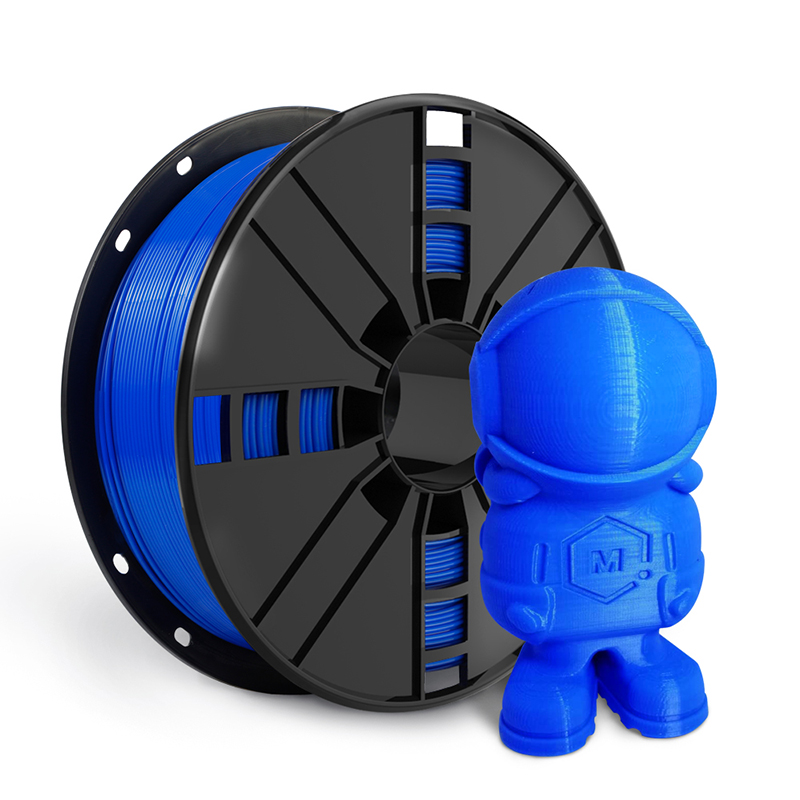
ABS 3D Printer Filament, Blue Color, ABS 1kg Spool 1.75mm Filament
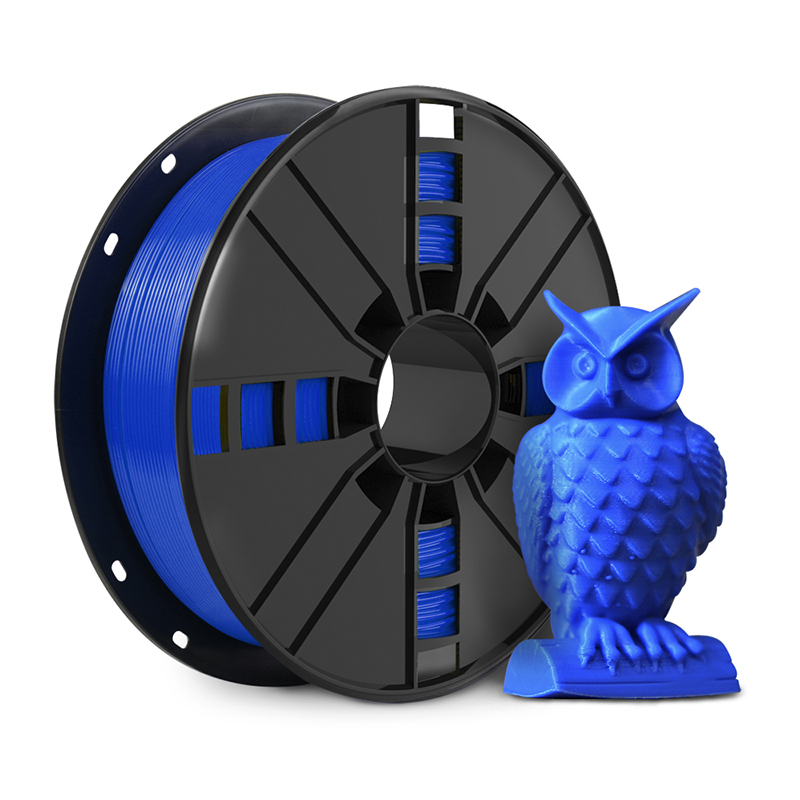
1.75mm PLA filament blue color
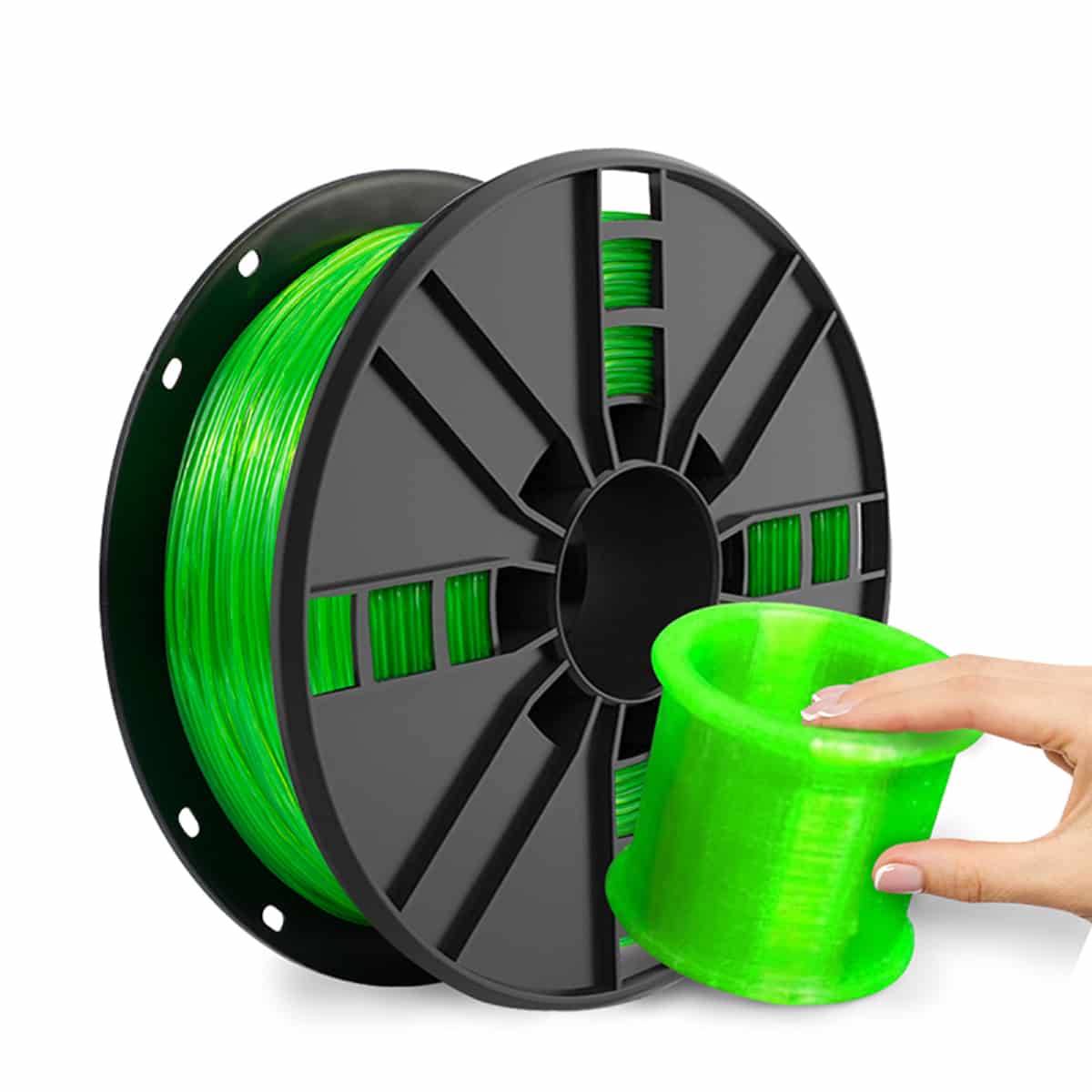
TPU flexible filament 1.75mm 1kg Green color for 3D printing