High-Performance Aerospace Materials for Drone Frameworks
Engineered filaments formulated for high-vibration isolation, structural rigidity, and impact resistance across commercial UAV and FPV systems.
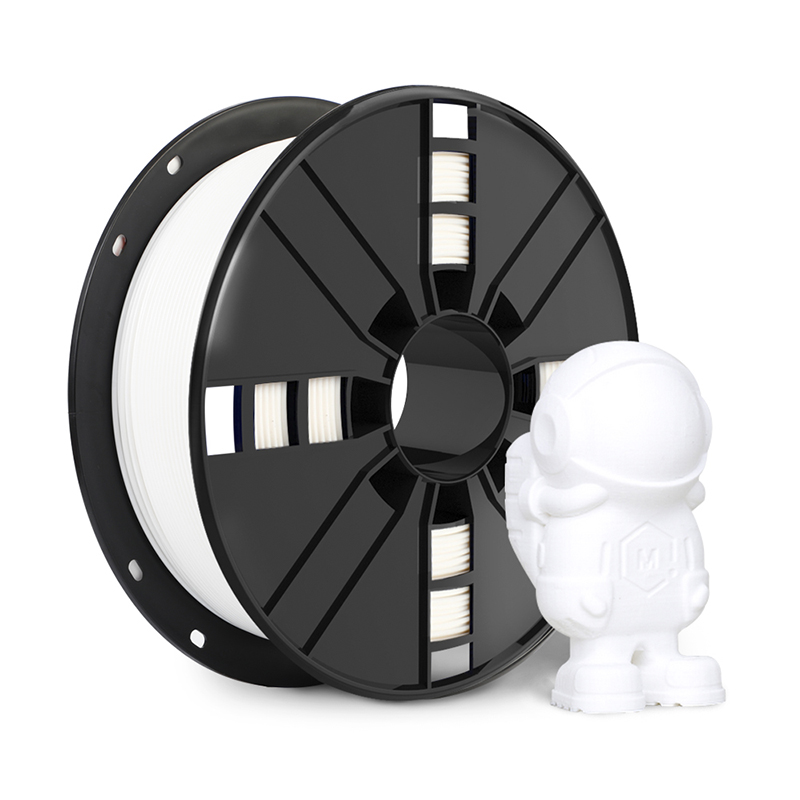
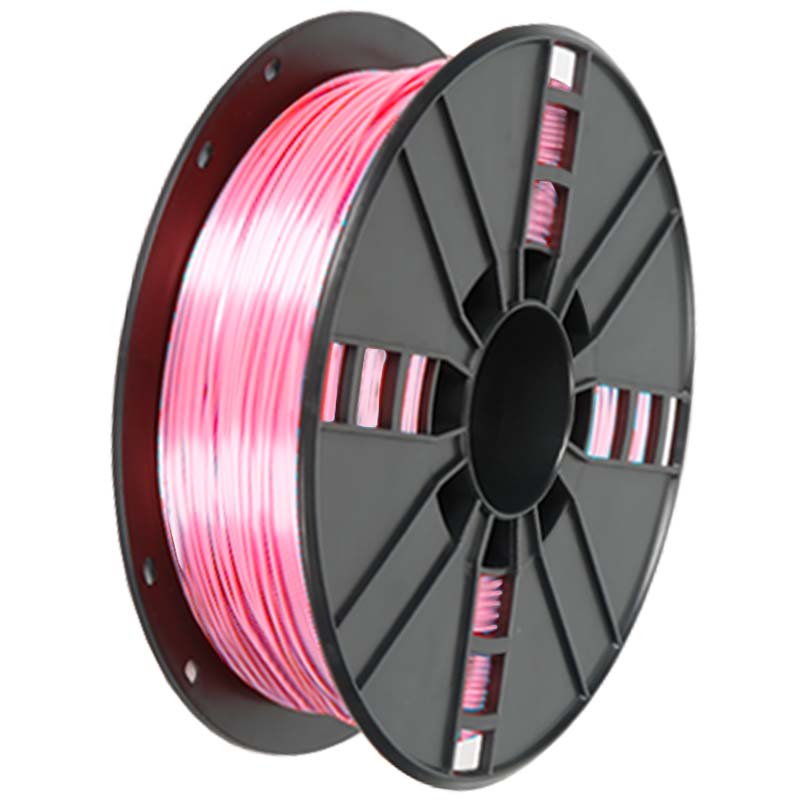
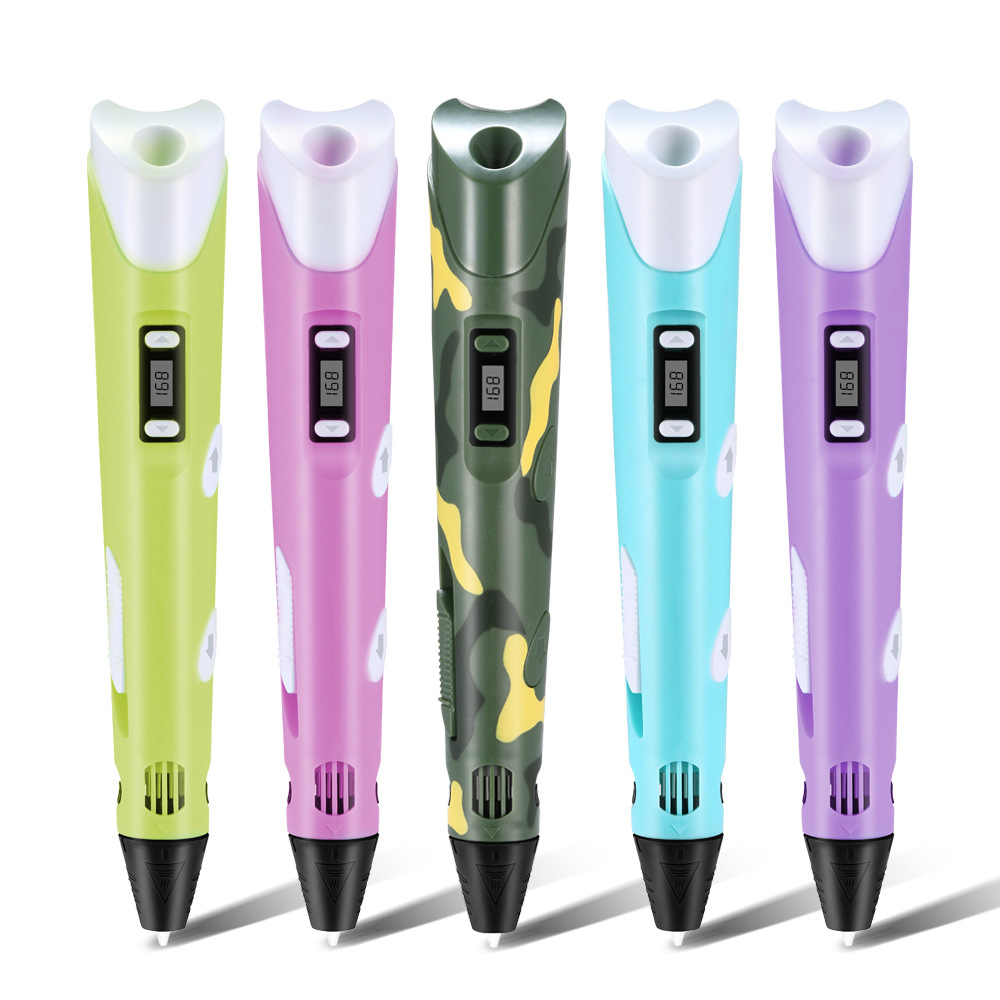
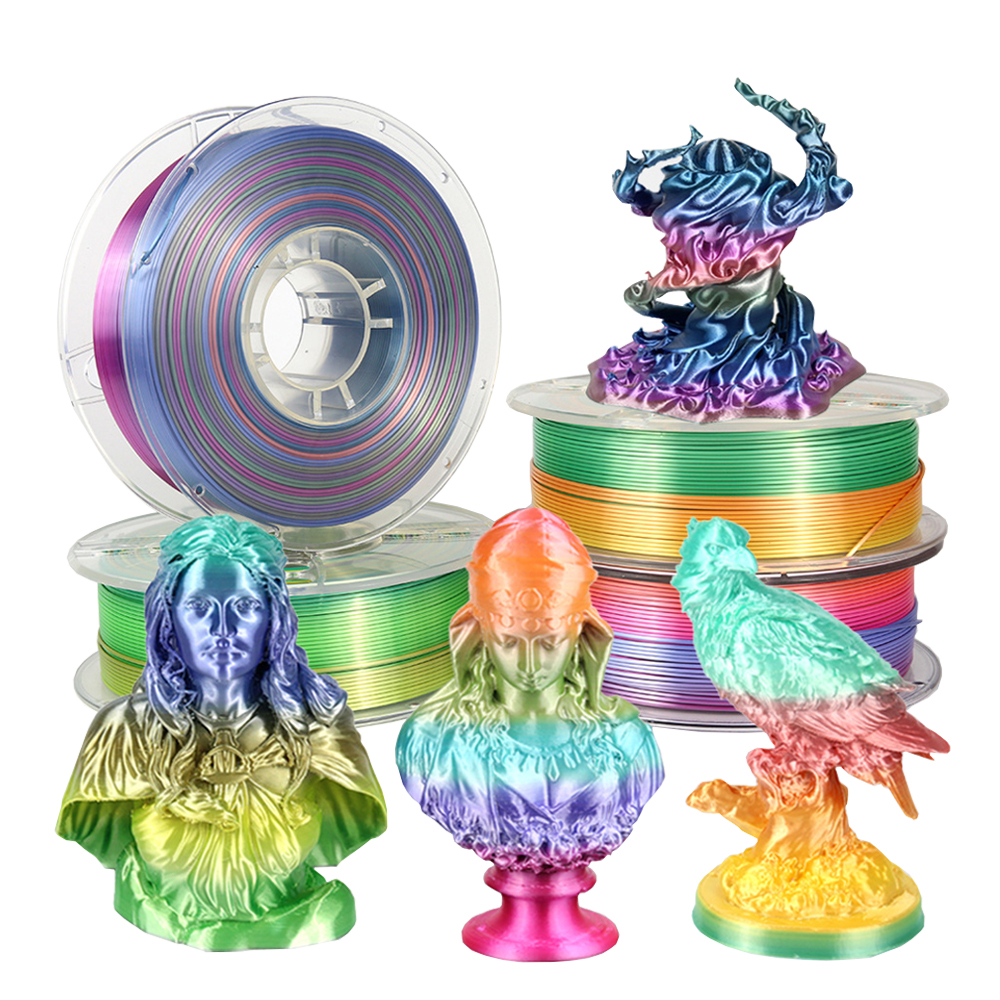
Engineering Mechanics: Why TPU Outperforms Rigid Polymers in Unmanned Aerial Systems
In the demanding theater of unmanned aerial vehicle (UAV) design, structural integrity cannot rely strictly on brittle stiffness. Thermoplastic Polyurethane (TPU) filament has bridged the critical threshold between elastomeric flexibility and structural load distribution.
Traditional drone assemblies fabricated strictly from carbon-fiber composites and rigid thermoplastics such as standard PLA or unmodified ABS suffer from microscopic fracture propagation under severe impact. When a high-speed quadcopter or an industrial inspection drone collides with an obstacle, the shockwave translates directly through rigid arm plates into delicate avionic suites, inertial measurement units (IMUs), and flight controllers. TPU engineered filaments fundamentally redefine this failure mode by leveraging elastomeric hysteresis, dissipating kinetic energy over milliseconds through controlled, reversible polymer chain elongation.
Moreover, TPU features exceptional interlayer bonding. Because polyurethane chains undergo high polymer interdiffusion during fused filament fabrication (FFF), parts printed with specialized Shore 95A or Shore 98A TPU demonstrate isotropic mechanical behavior, eliminating the severe Z-axis delamination vulnerabilities that plague rigid 3D-printed flight components.
High Kinetic Impact Absorption
TPU provides elongation-at-break metrics exceeding 450% to 600%. It withstands violent physical impacts without brittle cracking, protecting high-value optical sensors, ESCs, and carbon fiber arm assemblies during aggressive landings and high-G maneuvers.
Harmonic & Vibration Damping
High-frequency motor oscillations and aerodynamic blade wash introduce "jello effect" distortions into camera sensors and confuse gyro algorithms. TPU acts as an integrated viscoelastic harmonic dampener, absorbing vibrations directly at the frame level.
Environmental & Chemical Resistance
Industrial UAVs operate across severe atmospheric conditions. Specialized TPU resists hydrocarbon fuels, synthetic motor lubricants, UV degradation, salt spray, and temperatures ranging from -30°C to +80°C without plasticizer migration.
Commercial and Industrial Landscape: The Rise of Additive TPU Airframes
The global commercial drone market is projected to expand significantly over the next decade, accelerating adoption across agricultural crop health mapping, infrastructure asset monitoring, search-and-rescue operations, and military reconnaissance.
Within this expanding industrial ecosystem, traditional manufacturing methods such as injection molding present prohibitive tooling costs and protracted lead times for low-to-medium batch airframe runs. Conversely, subtractive CNC machining of aluminum and carbon fiber sheets produces substantial raw material waste and creates rigid geometries prone to fatigue failure along stress concentration notches. Additive manufacturing with high-performance TPU filaments enables generative, topology-optimized geometry that distributes aerodynamic loads and structural stresses uniformly.
Commercial fleet operators are increasingly standardizing on TPU modularity. By printing custom landing gear, motor bumper guards, quick-release battery holsters, and aerodynamically streamlined canopies in-house, operators reduce maintenance turnaround times from weeks to hours. On-demand field fabrication with desktop and industrial FFF systems ensures uninterrupted operational readiness for mission-critical drone fleets worldwide.
| Structural UAV Component | Traditional Material | TPU 3D Printing Filament | Operational Advantage |
|---|---|---|---|
| Landing Gear & Skid Feet | Aluminum 6061 / Delrin | Shore 95A / 98A TPU | Zero rebound bounce, dynamic impact energy absorption, field-replaceable. |
| HD Action / FPV Camera Mounts | Rigid ABS / Polycarbonate | Shore 90A / 95A TPU | Complete isolation of motor resonance, zero video jello, lens protection. |
| Airframe Arm Protectors | Injection Molded Nylon | High-Impact TPU | Snug friction-fit, prevents carbon fiber delamination on edge collision. |
| Antenna & GPS Mast Holders | Rigid PLA / Carbon Fiber Tube | Semi-Flexible TPU 98A | Flexes under crash forces without snapping delicate coaxial wires or boards. |
| Main Electronic Enclosure / Canopy | Thermoformed Polycarbonate | Lightweight Optimized TPU | High tear resistance, waterproof seal compression, aerodynamic fairing. |
Deep Dive: Drone Structural Subsystems Optimized with TPU Polymers
Additive manufacturing with TPU transcends simple decorative brackets, serving as a core load-bearing and damping structural medium in advanced multirotor and fixed-wing UAVs.
1. Decoupled Avionics Sub-Chassis
Flight controllers containing micro-electro-mechanical system (MEMS) accelerometers require isolation from structural acoustic waves. 3D printing a nested TPU central housing creates a low-pass mechanical filter, preventing high-frequency noise from corrupting attitude estimation filters.
2. Morphing Wing Tips & Aerodynamic Seals
For long-endurance fixed-wing UAVs, TPU filament facilitates compliant mechanisms, morphing control surfaces, and airtight battery hatch gaskets that conform precisely to complex aerodynamic curvatures without requiring mechanical hinges.
3. Integrated Cable & Harness Management
TPU allows for the continuous internal printing of flexible wire channels, strain-relief boots, and weather-sealed pass-through grommets, preventing abrasion wear caused by frame flex during aggressive aerodynamic maneuvers.
When designing high-strength TPU drone structures, engineers utilize specialized infill topologies such as 3D Gyroid, Cross 3D, and Honeycomb patterns. Unlike rigid filaments where infill density primarily dictates tensile stiffness, TPU infill density and geometric orientation directly tune the mechanical spring rate ($k$) and damping coefficient ($c$) of the final airframe component. This enables engineers to program localized compliance into structural nodes—creating parts that are rigid under flight aerodynamic loads yet soft and cushioning under terminal impact velocities.
Technological Horizons: The Future of Elastomeric 3D Printing in Drone Engineering
The convergence of advanced polymer chemistry and AI-driven generative design is setting new benchmarks for high-strength unmanned flight systems.
The next frontier in drone additive manufacturing centers on Short Carbon Fiber Reinforced TPU (CF-TPU) and Continuous Fiber Co-Extrusion. By dispersing micro-carbon fibers into an elastomeric polyurethane matrix, filament chemists achieve high tensile modulus and ultimate yield strength while preserving the elastomeric matrix's inherent fracture toughness. This hybrid material class eliminates the brittleness of pure carbon composite prints while avoiding excessive elasticity under heavy motor thrust loads.
Furthermore, electrostatic discharge (ESD) safe TPU filaments are gaining critical traction in military defense and hazardous industrial inspection environments (ATEX zones). These formulations prevent static electricity build-up caused by high-velocity rotor blade air friction, protecting onboard microwave radar, LiDAR modules, and microcontrollers from electrostatic failure during flight.
Company Profile
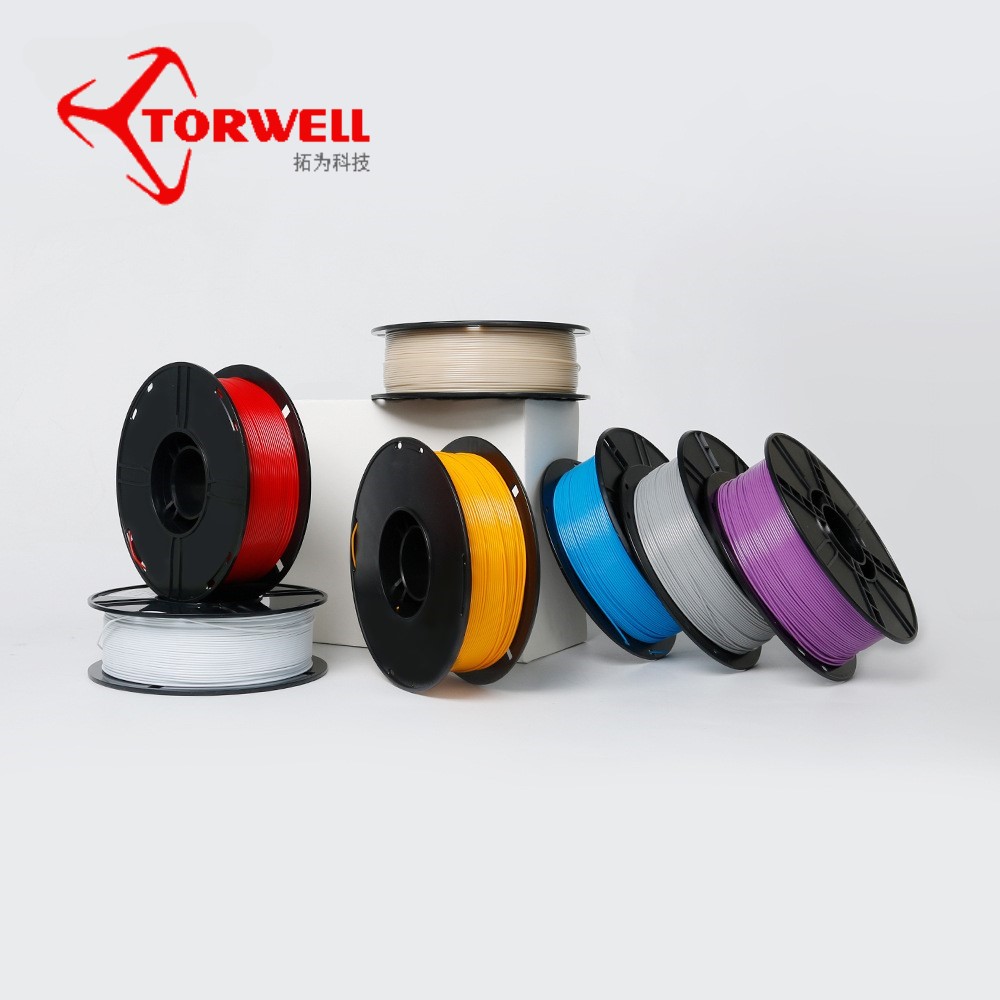
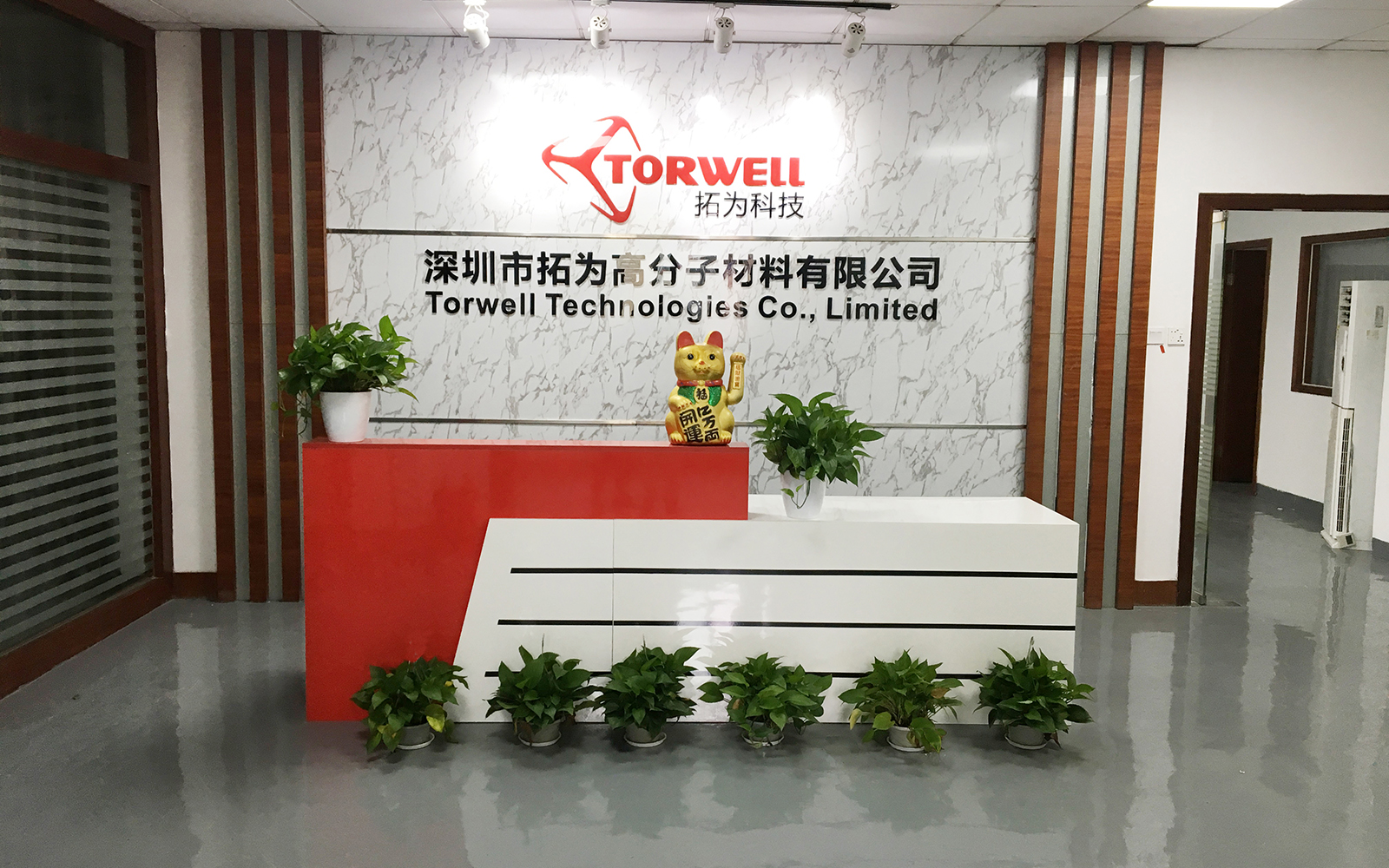
Founded in 2011, Torwell Technologies Co., Ltd. is one of the earliest high-tech enterprises which specializing in high-tech 3D printer filaments research, manufacture and sell, occupies 2,500 square meters modern factory with production capacity of 50,000kgs per month.
With more than 10years experiences in 3D printing market exploration, cooperated with Institute for High Technology and New Materials in domestic famous universities, and engaging Polymer materials experts as technical adviser, Torwell becomes one of member of Chinese rapid prototyping association and leader enterprise with the most innovative products in 3D printing industry, owns independent intellectual property rights, patents and trademarks(Torwell US, Torwell EU, NovaMaker US, NovaMaker EU).
Torwell passed international quality management system ISO9001, international environment system ISO14001, the advanced manufacturing equipment, test devices and virgin raw materials available are introduced to produce and distribute 3D printer filament of unparalleled quality, to insure all the products of Torwell are compliant with RoHS standard, MSDS, Reach, TUV and SGS test certificated.
Be a reliable and professional 3D printing partner, Torwell has committed to expanding its products to America, Canada, UK, Germany, Netherlands, France, Spain, Sweden, Italy, Russia, Mexico, Australia, New Zealand, Brazil, Argentina, Japan, South Korea, Vietnam, Thailand, Malaysia, India, more than 80 countries and regions.
Comprehensive 3D Printing Filament Portfolio
Explore our full engineering series of TPU, ABS, PLA, and specialized filaments designed for aerospace prototypes, industrial drone frames, and precision engineering.