
Featured Materials for Test Fixtures & Tooling
Deploy industrial-grade 3D filaments engineered to withstand continuous mechanical stress, high clamp loads, and rapid structural validation cycles.
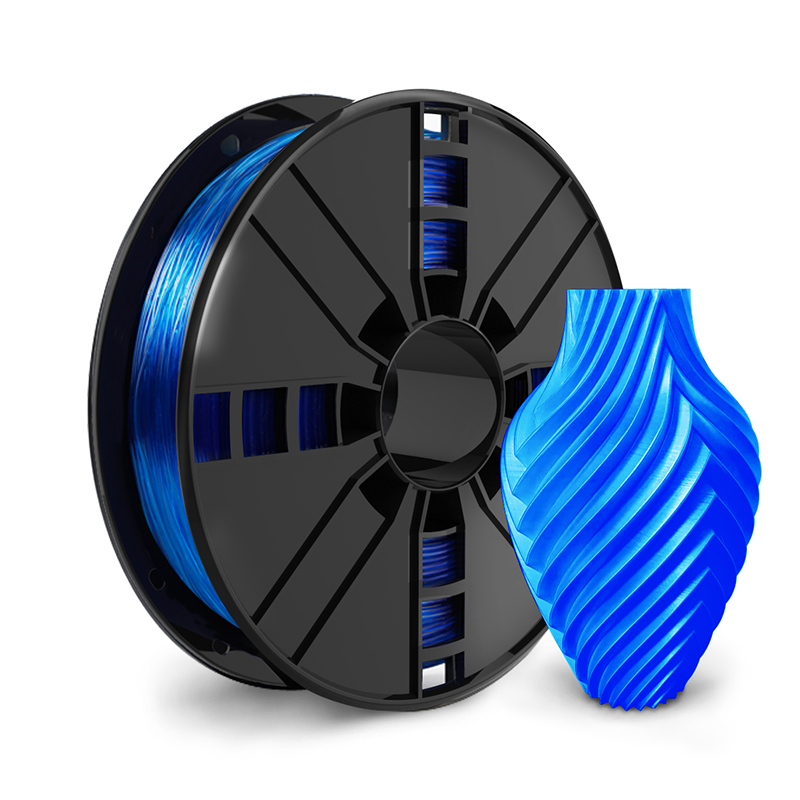
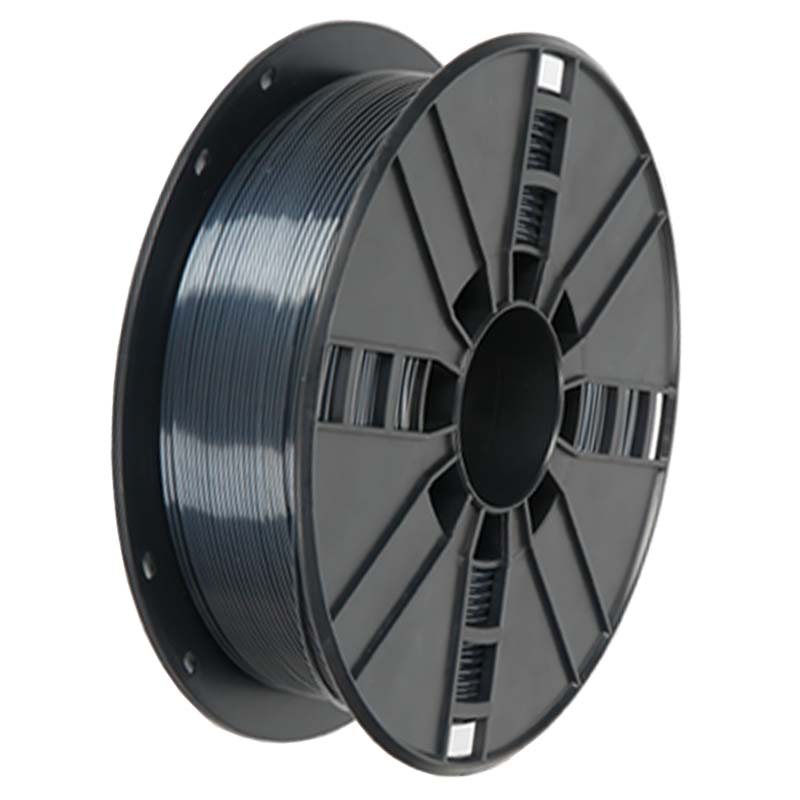
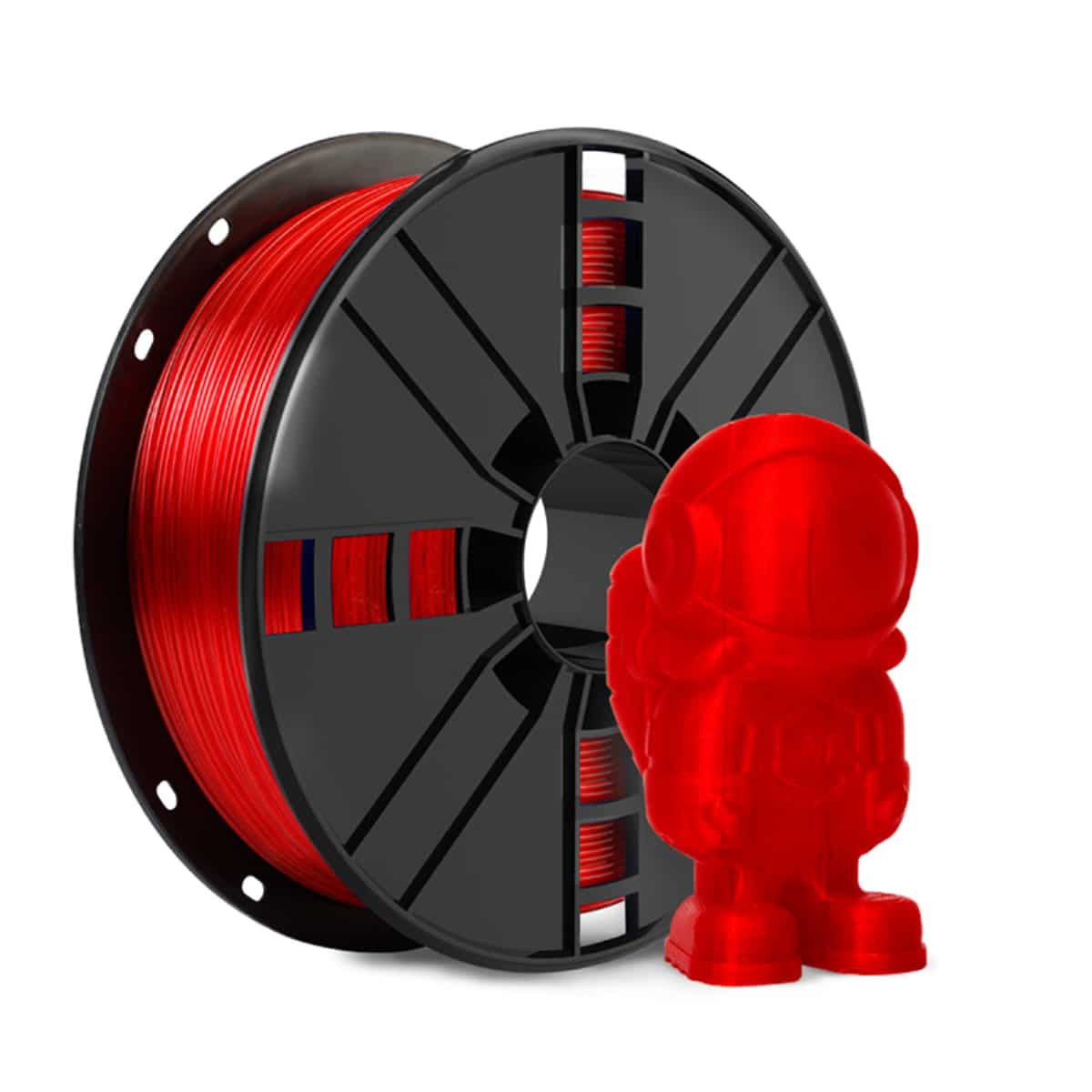
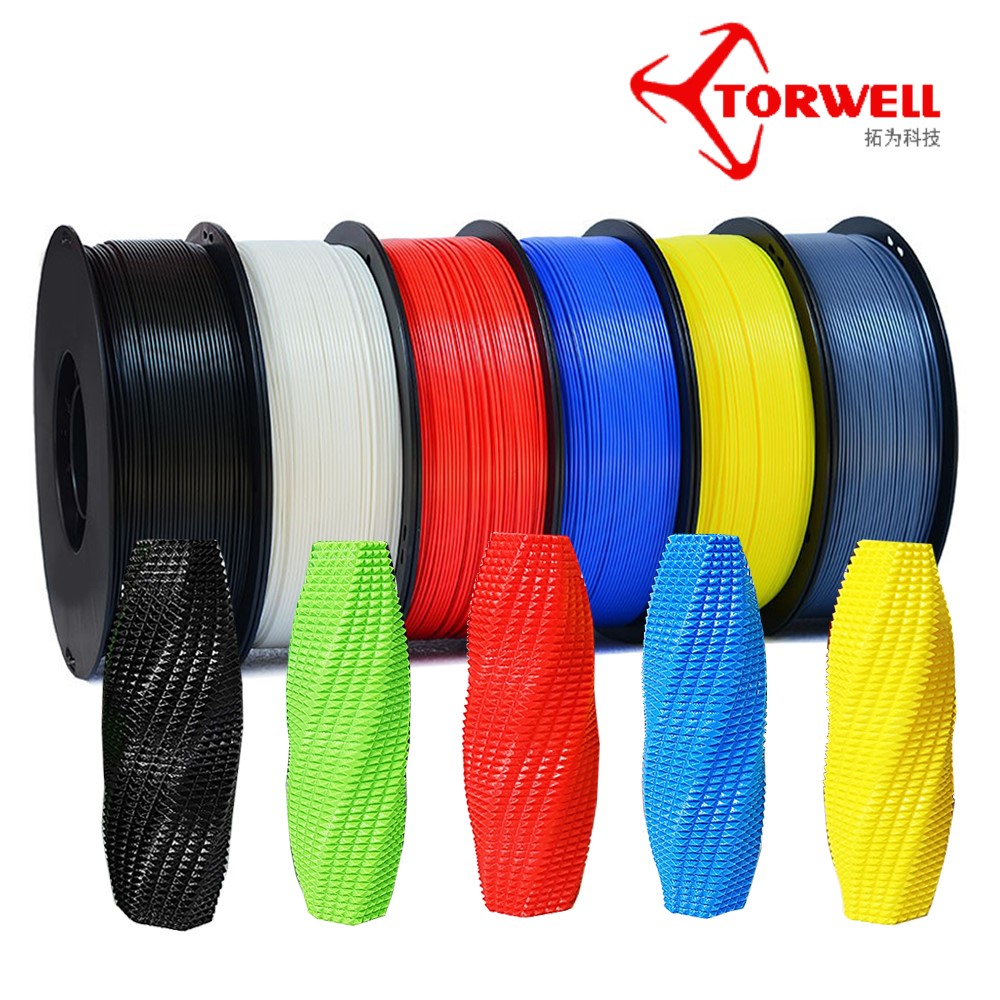
Why TPU 3D Printing Material is Transforming Mechanical Test Fixtures
In modern advanced manufacturing, mechanical testing fixtures have traditionally relied on subtractive CNC machined metals or cast polyurethane elastomers. Today, additive manufacturing using specialized Thermoplastic Polyurethane (TPU) filaments provides an unparalleled blend of rapid iteration, high-load damping, and complex internal geometry optimization.
Viscoelastic Energy Absorption
High-load dynamic test benches generate severe cyclic shockwaves. Shore 95A and specialized engineering TPUs feature a high loss factor (tan delta), effectively dissipating parasitic resonant frequencies and protecting sensitive load cells from harmonic spikes.
Non-Marring High Clamp Pressure
When validating Class-A automotive surfaces, aerospace avionics housings, or precision optical assemblies under multi-kilonewton clamping forces, TPU fixtures distribute surface pressure evenly without scratch, abrasion, or localized stress concentrations.
High Cyclic Fatigue Durability
Unlike rigid thermosets or PLA/ABS that suffer from brittle micro-cracking during 1,000,000+ cycle durability trials, high-purity TPU formulations exhibit superior elongation at break (>450%) and exceptional tear strength under multi-axial shear loads.
Overcoming Interlayer Delamination Under Dynamic Shear
One of the critical engineering hurdles in deploying 3D printed materials for high-load mechanical test fixtures is anisotropic weakness along the Z-axis. Under severe torsional and shear loading, standard filaments frequently fail at the layer boundaries.
Torwell Shore A 95 TPU addresses this through tight molecular weight distribution and an optimized thermal melt index. When extruded within calibrated thermal windows (215°C – 235°C), the polymer chains re-entangle across deposited layers with near-isotropic cohesion. This results in Z-axis tensile adhesion exceeding 85% of the X-Y plane tensile strength, ensuring that fixture jaws, nest brackets, and positioning stoppers will not shear under repetitive hydraulic actuator pulses.
- Durometer Versatility: Shore 95A delivers optimal rigidity for dimensional holding coupled with elasticity for vibration isolation.
- Abrasion Resistance: Surpasses standard nylon and polyoxymethylene (POM) during repeated friction loading.
- Chemical Inherent Stability: Resistant to industrial testing hydraulic oils, greases, synthetic coolants, and common solvents.
| Mechanical Property | Test Standard | Torwell TPU 95A Value |
|---|---|---|
| Tensile Strength (MPa) | ISO 527 / ASTM D638 | 45.0 - 52.0 MPa |
| Elongation at Break (%) | ISO 527 / ASTM D638 | 480% - 550% |
| Tear Strength (kN/m) | ISO 34-1 (Method B) | 125 kN/m |
| Shore Hardness | ISO 868 / ASTM D2240 | 95 Shore A / 46 Shore D |
| Abrasion Resistance | DIN 53516 | 35 mm³ loss |
| Glass Transition Temp (Tg) | DSC (10°C/min) | -28°C |
High-Load Mechanical Test Fixture Applications
From automotive crash test simulators to aerospace vibration tables, explore how engineering TPU filaments provide critical functional performance across demanding validation environments.
1. Automotive Powertrain Vibration Jigs
During multi-axis shaker table validation of electric vehicle (EV) battery enclosures and motor mounts, high-load test fixtures printed from Shore 95A TPU serve as conformal vibration isolation blocks. They withstand static clamping forces exceeding 8 kN while insulating the test unit from spurious mechanical noise.
2. Hydraulic Actuator Cycle Test Nests
In continuous endurance testing for linear hydraulic actuators, TPU fixture nests absorb the violent deceleration shocks at stroke limits. The exceptional compressive elasticity prevents premature metal-on-metal fatigue, extending test rig uptime by over 400% compared to rigid phenolic tooling.
3. Aerospace Avionics Impact Tooling
Drop-weight and high-G shock testing of avionics require holding fixtures that conform precisely to complex aerodynamic curvatures. Utilizing 3D printed TPU with gyroid internal lattice infills allows engineers to calibrate fixture compliance and optimize energy absorption profiles to exacting FAA/MIL-STD test criteria.
4. Robot Gripper Stress & Slip Testing
Industrial robotic end-effectors undergoing high-speed kinematic payload testing require grip interface pads with high coefficients of friction. TPU 3D printed fixtures provide predictable tactile resistance and high shear recovery under sudden acceleration stops.
5. Metrology CMM Holding Nests
Coordinate Measuring Machines (CMM) and laser scanning fixtures require zero part distortion. Custom TPU nests hold delicate machined or molded parts securely without inducing elastic deflection, ensuring true geometric dimensioning and tolerancing (GD&T) data acquisition.
6. Destructive Burst & Pressure Testing
When pneumatic and hydraulic vessels undergo destructive hydro-burst tests, TPU containment collars and safety sleeves capture shrapnel and dissipate sudden hydraulic shockwaves, offering high operator safety without damaging test instrumentation.
Optimizing Infill Architecture & Wall Thickness for Heavy Loads
To maximize the load-bearing capacity of TPU fixtures, internal slicing parameters must be engineered specifically for elastomeric kinematics. Unlike rigid polymers where rectilinear infill provides uniform stiffness, elastomeric test fixtures benefit drastically from triply periodic minimal surface (TPMS) architectures, notably Gyroid and Schwarz Diamond structures.
These geometries distribute multi-axial compression forces uniformly in all directions, eliminating shear stress concentration points. For heavy compressive clamping applications (over 5 MPa), increasing perimeter wall count from 3 to 6 perimeters while maintaining a 40-50% Gyroid infill delivers higher fatigue life than an 80% grid infill while reducing filament consumption and print time by 35%.
Furthermore, direct drive extrusion systems equipped with hardened steel nozzles and optimized retraction settings guarantee void-free extrusion, preventing internal micro-voids from initiating crack propagation under cyclic mechanical fatigue.
Key Print Parameters for High-Load Fixtures:
- Extrusion Temperature: 220°C - 235°C for maximum interlayer polymer fusion.
- Bed Temperature: 50°C - 60°C on textured PEI or glass build plates.
- Print Speed: 25 - 45 mm/s for precision volumetric flow control.
- Infill Selection: Gyroid or 3D Honeycomb (35% to 65% density).
- Perimeter Walls: Minimum 4 to 6 continuous shells for high hoop strength.
- Moisture Management: Pre-drying at 65°C for 4 hours to eliminate hydrolytic degradation.
Rigorous Manufacturing & Quality Verification
High-reliability 3D printing materials demand stringent quality controls from virgin polymer synthesis to multi-axis laser micrometer inspection. Discover our certified manufacturing workflow ensuring batch-to-batch consistency.
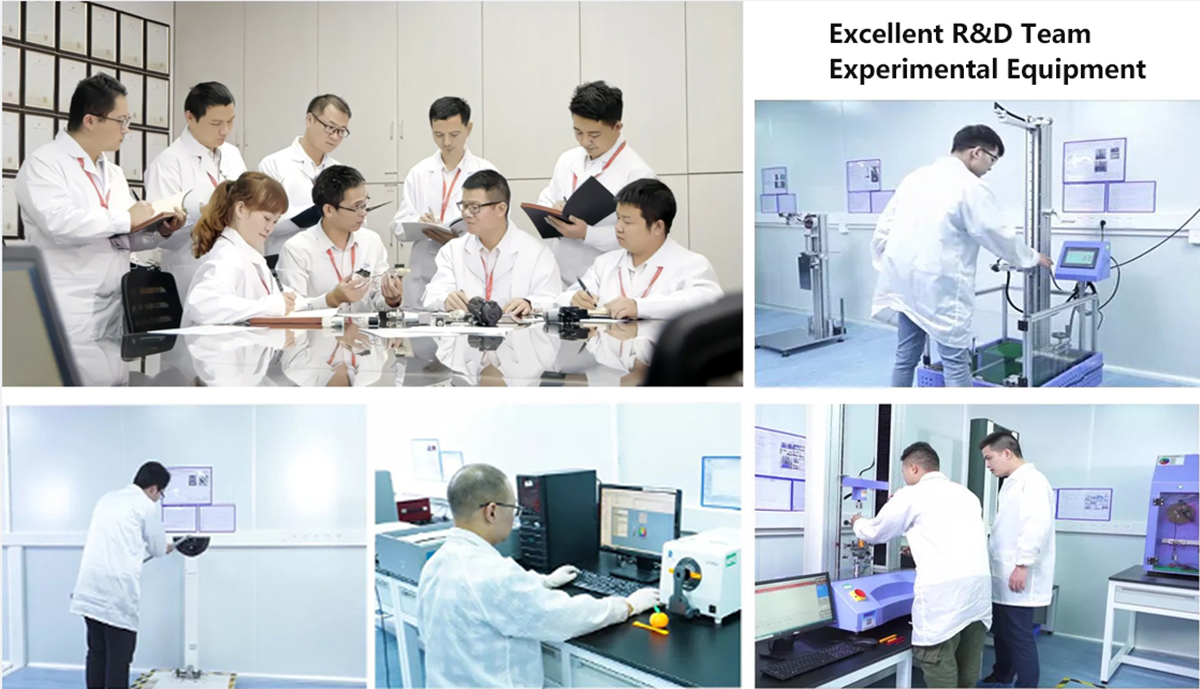
Quality Control
The factory area has passed ISO45001 occupational health and safety management system certification. Every new employee must be experienced one week of safety production knowledge teaching and two weeks of produce skills training, and master every course in the production process. Who is in the position will be responsible for its duty.
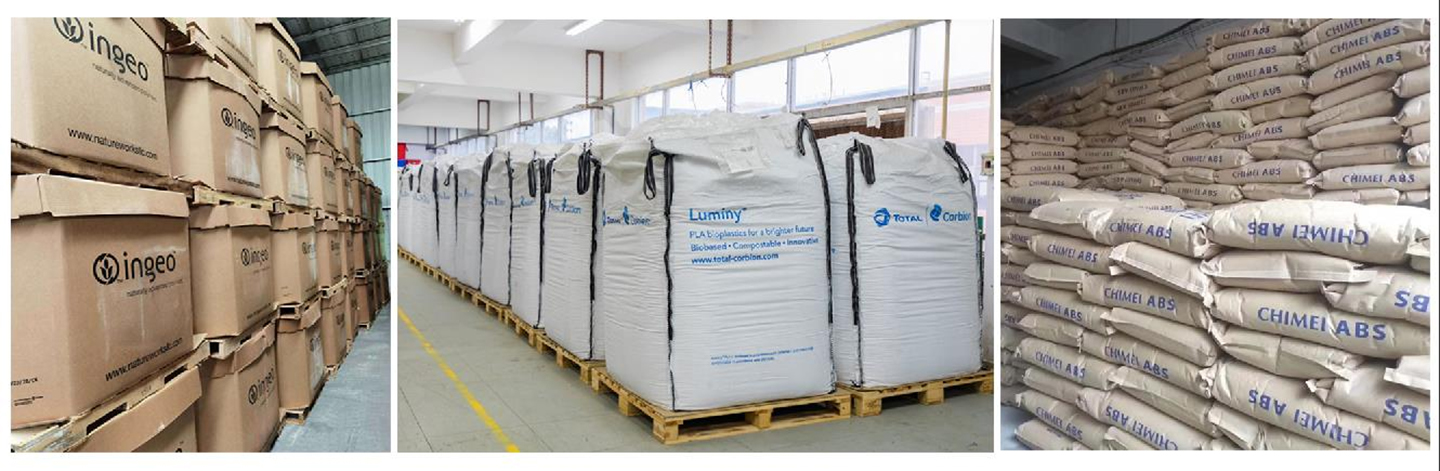
Raw Material
PLA is the most preferred material for 3D printing, Torwell firstly chooses PLA from US NatureWorks, and Total-Corbion is the alternative. ABS from TaiWan ChiMei, PETG from South Korea SK. Each batch of main raw materials comes from the partners who has cooperated more than 5 years to ensure the reliability of the products from the source. Each batch of raw materials will undergo parameters inspection before produce to ensure that raw materials are original and virginal.
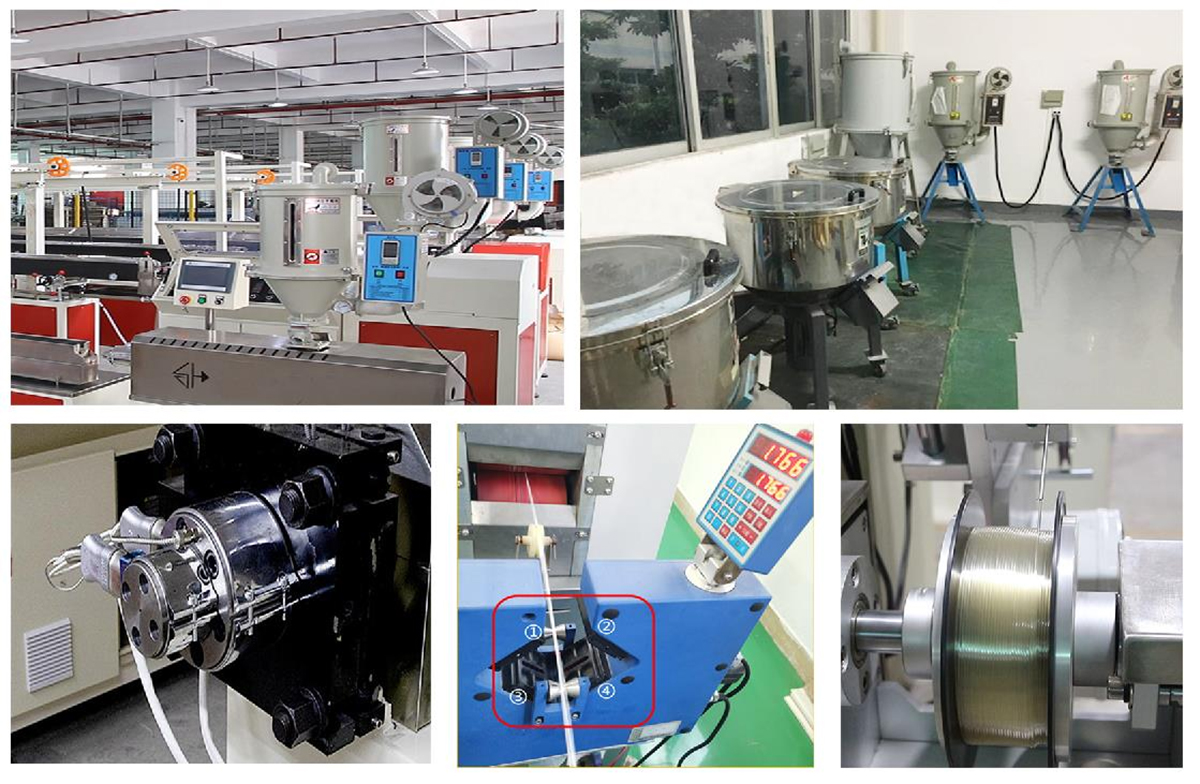
Equipment
The manufacturing workshop will make arrangements after the inspection of raw materials, at least two engineers cross-check the clearance of mixing tank, color mixed of material, humidity from hopper dryer, temperature of extruder, hot/cool tank, and trial-produce and debugging the produce line to make sure all of processes in the best condition. Maintain the filament Diameter tolerance +/- 0.02mm, Roundness tolerance +/- 0.02mm.
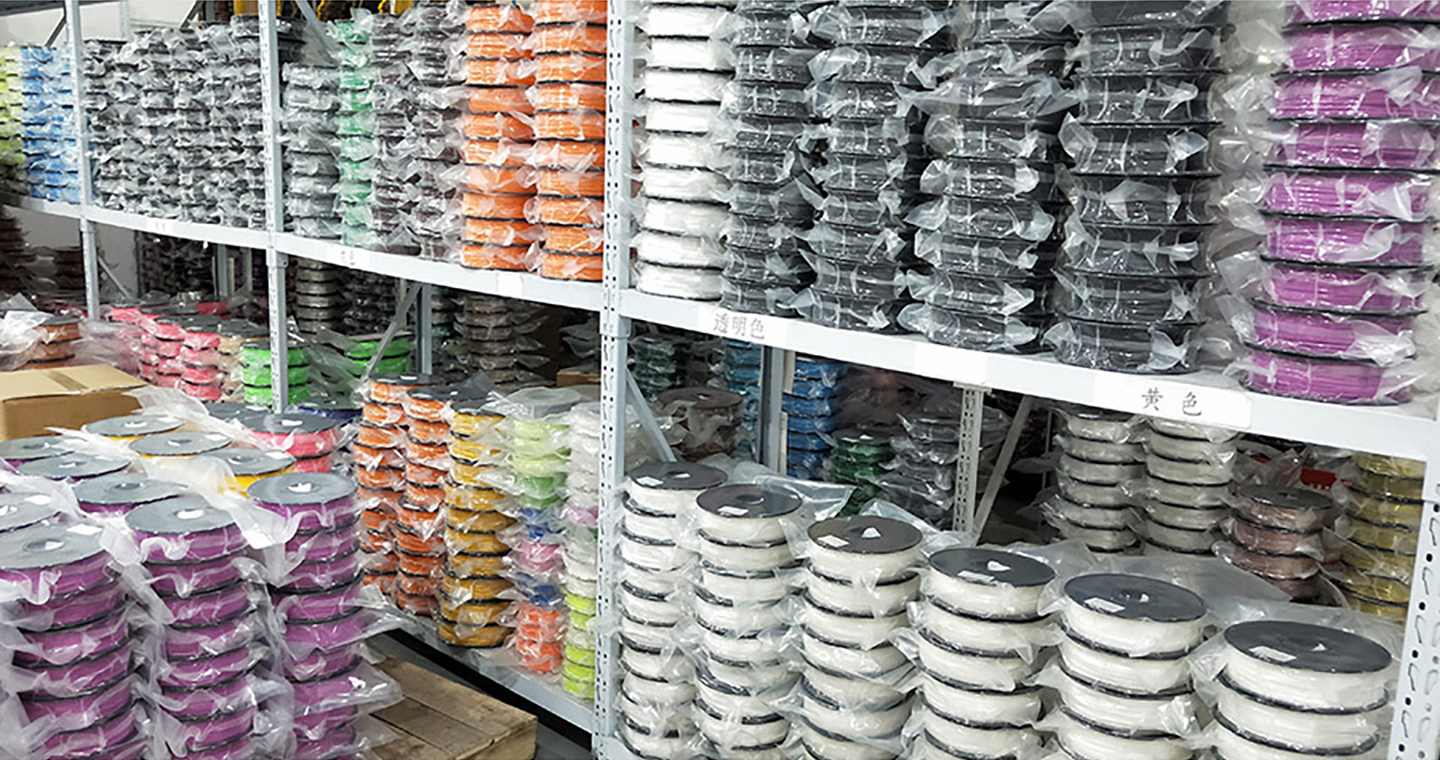
Final Inspection
After each batch of 3D filament is produced, two quality inspectors will conduct random inspections on each batch of finished products in accordance with the requirements of the standard, such as diameter tolerance, color consistency, strength and toughness and so on. After vacuuming the package, place them for 24 hours to check whether there is any leaking package, then label it and finish the package.
Future Trends: Multi-Material & Fiber-Reinforced Elastomeric Fixtures
The industrial fixture sector is witnessing a rapid migration toward composite multi-material additive manufacturing, blending rigid composite backbones with resilient TPU contact surfaces.
1. Co-Extruded Dual Hardness Fixtures
Advanced dual-extrusion systems now combine rigid carbon fiber reinforced polymers (like PLA-CF or ABS-CF) with Shore 95A TPU in a single seamless print. The rigid carbon matrix provides unyielding structural geometry for high-torque bolting to machine platens, while the integrated TPU interface pad protects delicate test specimens and absorbs micro-vibrations.
2. AI-Driven Generative Fixture Design
Integrating Finite Element Analysis (FEA) and machine learning algorithms allows engineers to generatively design test fixtures with variable internal TPU densities. Slicing engines automatically assign solid infill in high-shear stress zones while maintaining compliant lattice regions for dampening, reducing material waste by up to 45%.
3. Anti-Static ESD-Safe Formulations
As consumer electronics, semiconductor test benches, and electric powertrain modules become increasingly sensitive to electrostatic discharge, ESD-safe TPU filaments filled with conductive carbon nanotubes are gaining rapid market adoption. These materials protect sensitive integrated circuits from voltage arcs during destructive shock and vibration testing.
4. Closed-Loop Recycled Circularity
Modern test fixture lifecycle protocols prioritize circular economy principles. TPU fixtures that have reached their fatigue life limit can be granulated, re-extruded, and repurposed into new testing jigs without significant polymer degradation, drastically cutting carbon footprints across automotive prototyping labs.
Explore Our Full Range of Engineering 3D Filaments
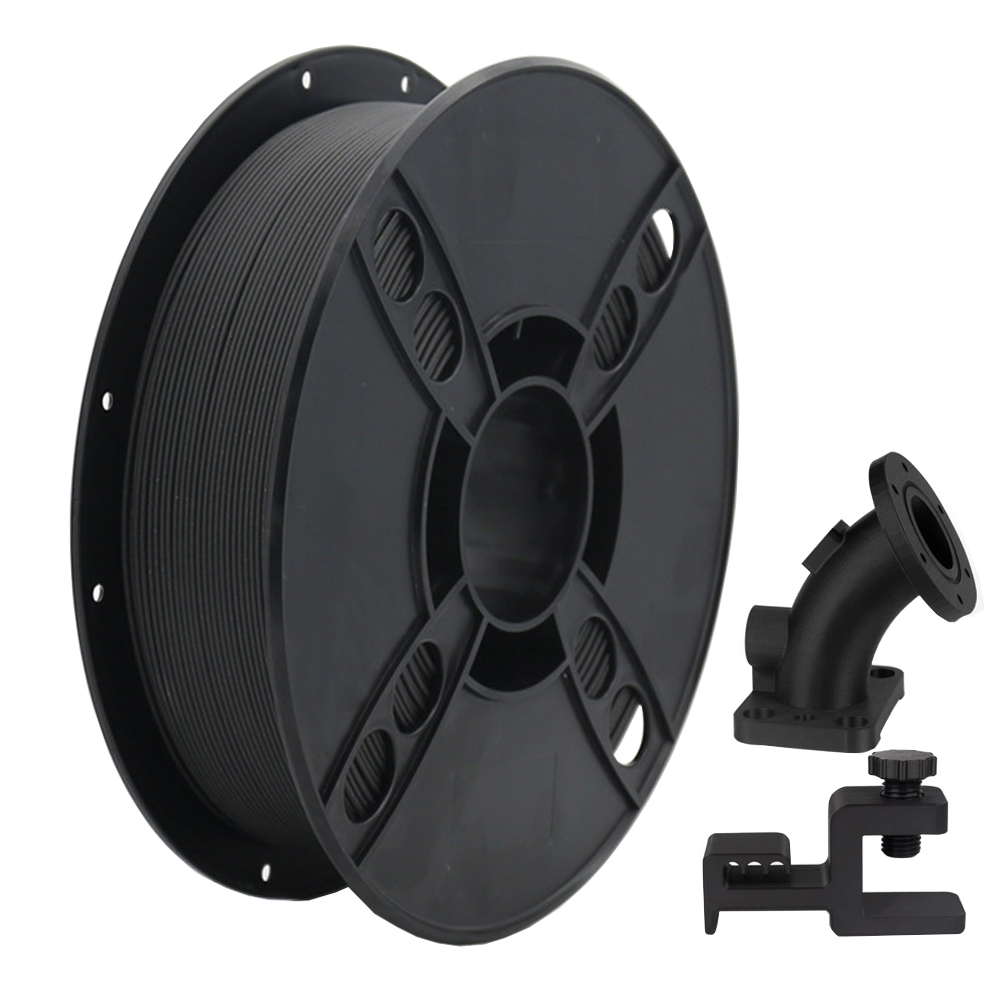
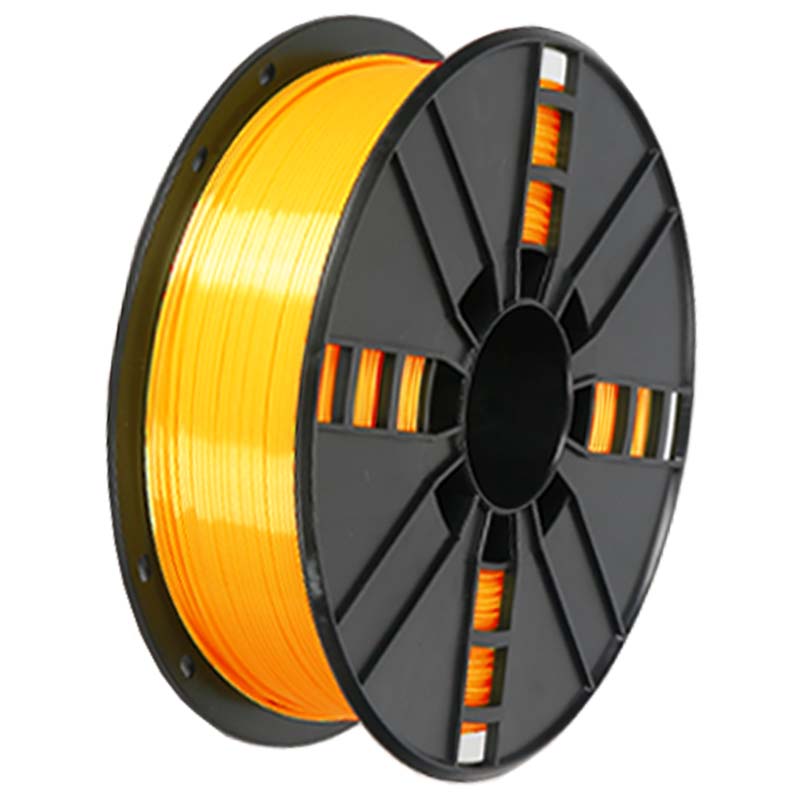
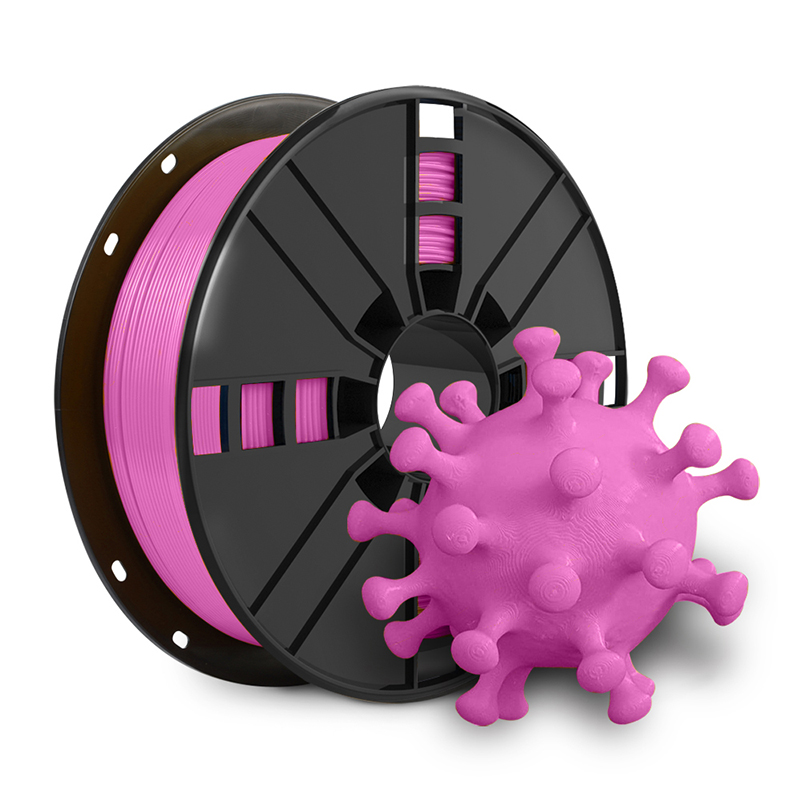
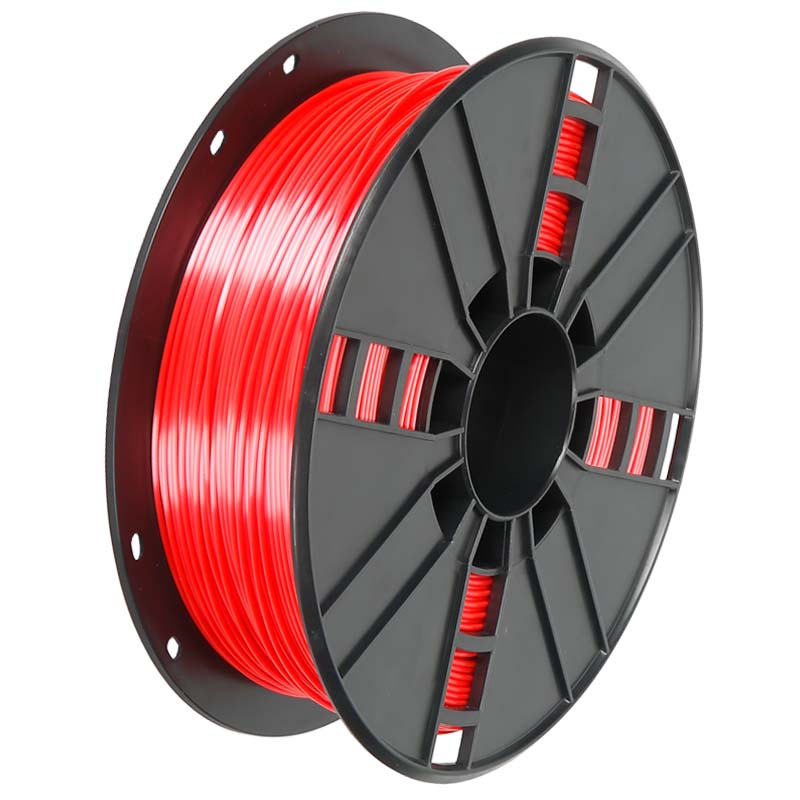
From ultra-flexible Shore 95A elastomers to structural carbon fiber composites, Torwell offers comprehensive filament solutions for test fixtures, functional prototypes, and end-use manufacturing.
Frequently Asked Questions
Key technical considerations when specifying TPU 3D printing filaments for demanding test fixture applications.
Why choose Shore 95A TPU over softer Shore 85A for fixtures?
Shore 95A delivers the optimal threshold between structural rigidity and elastomeric compliance. While Shore 85A or 80A may buckle excessively under high compressive clamp loads, Shore 95A holds dimensional tolerances firmly while maintaining anti-marring and vibration-damping characteristics.
How does TPU compare to CNC machined Delrin or Nylon fixtures?
While Delrin (POM) and Nylon offer high rigidity, they are prone to scratching sensitive components, generating resonance harmonics, and incurring high CNC setup costs. TPU 3D printing enables internal conformal gyroid lattices, lower lead times, and superior impact dissipation at a fraction of the cost.
What is the tolerance control for Torwell TPU filaments?
Torwell enforces strict real-time multi-axis laser micrometer monitoring, ensuring a diameter tolerance of +/- 0.02mm and roundness tolerance of +/- 0.02mm. This eliminates extrusion under-filling or over-filling, guaranteeing maximum layer adhesion and high dimensional accuracy for mission-critical mechanical fixtures.