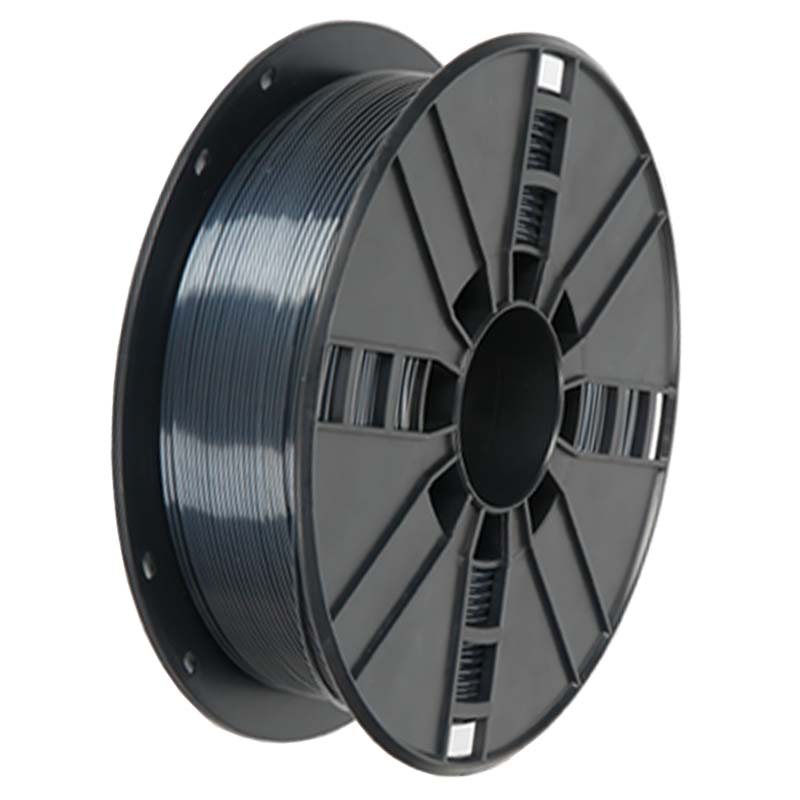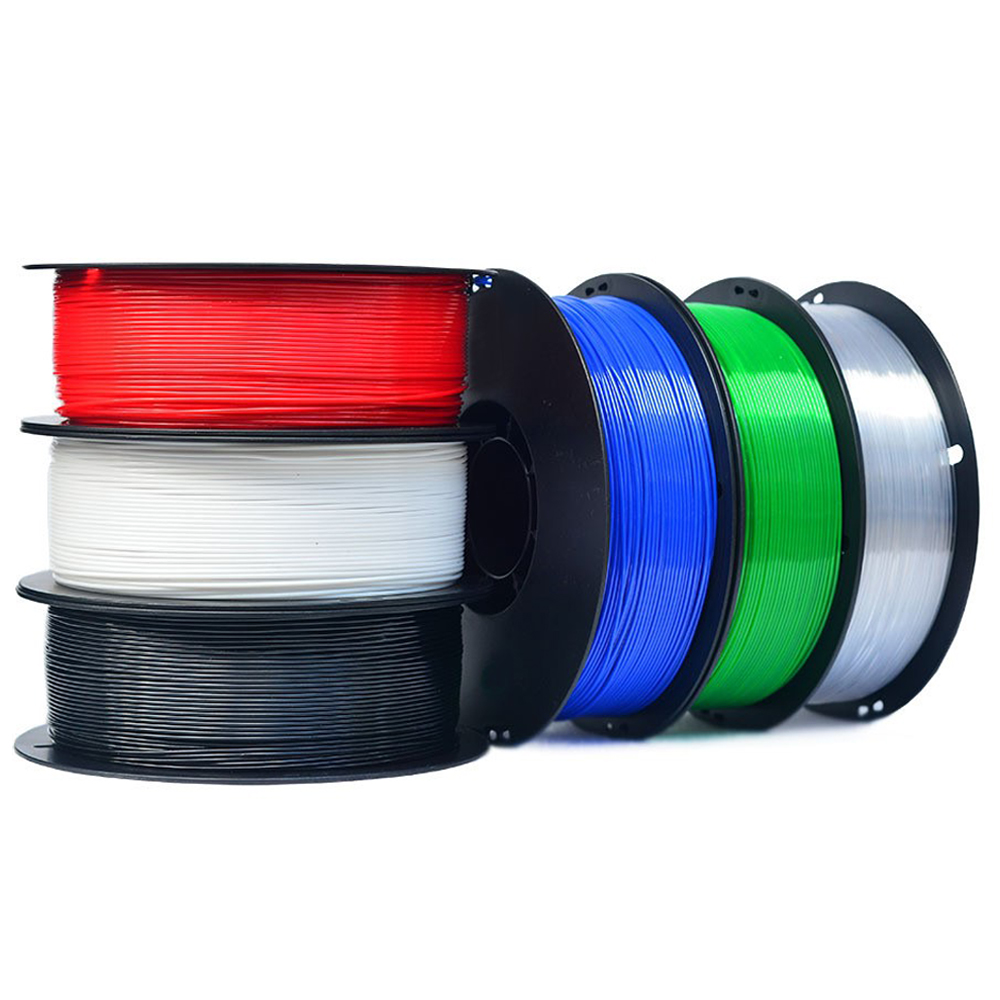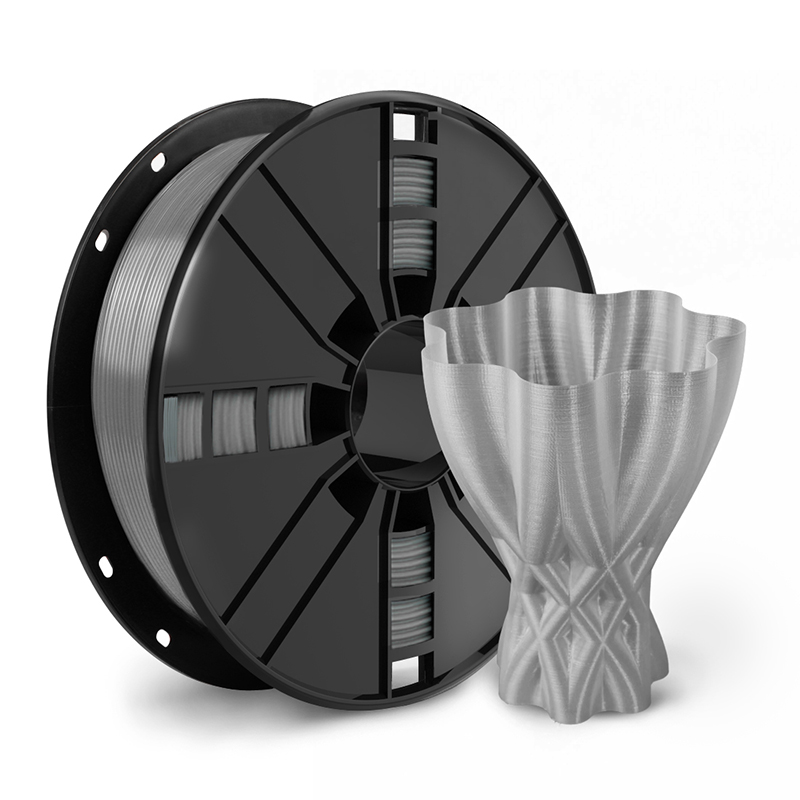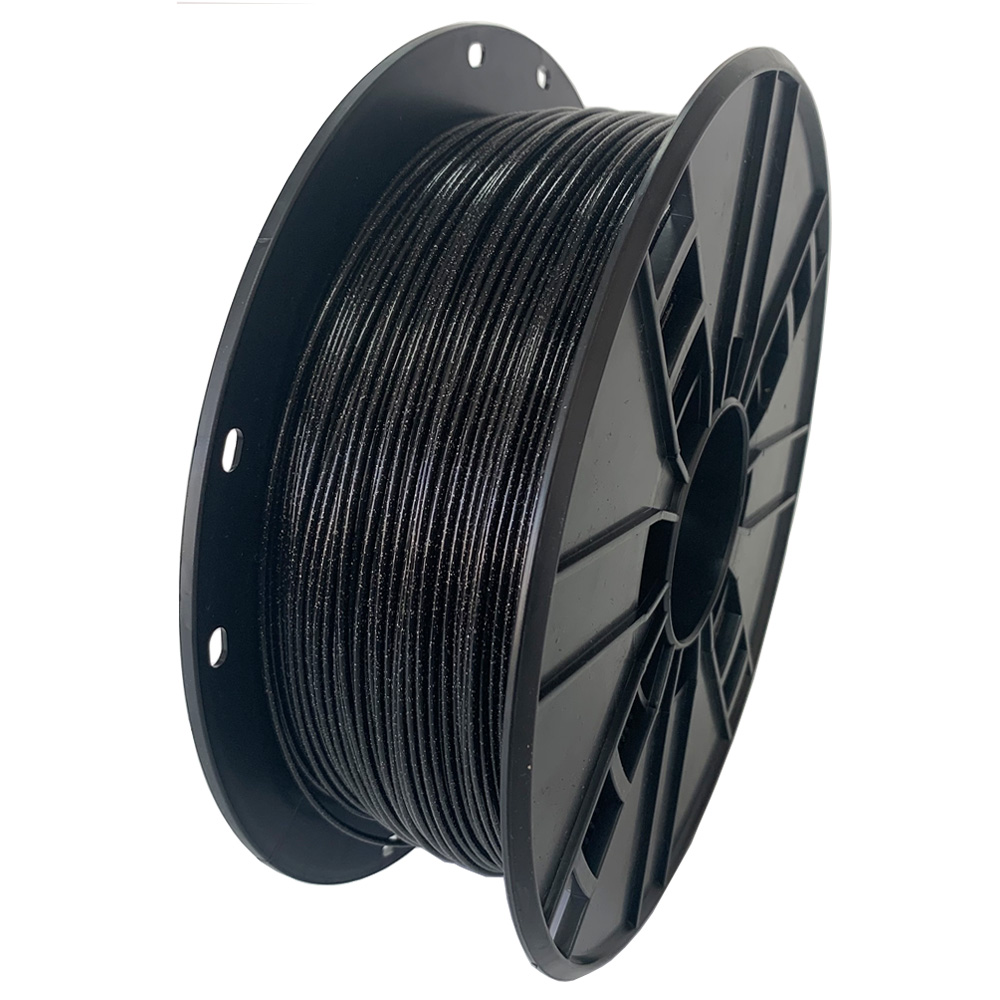
Featured High-Performance Enclosure Filaments
Industrial materials tested for harsh outdoor weatherability, impact resistance, and seamless sealing integration.
Why Thermoplastic Polyurethane Dominates Harsh Outdoor Protection
A synergistic balance between elastomeric flexibility and rigid impact dampening provides an impenetrable barrier against environmental stress.
Superior UV & Ozone Stability
Unlike standard engineering plastics that degrade, chalk, or become brittle under prolonged solar radiation, polyether-based TPUs maintain molecular integrity and elasticity across multi-year field deployments.
Hydrolytic & Microbial Defense
Designed to resist sustained rain, condensation, and soil contact. Low water absorption and inherent resistance to fungal attack eliminate swelling and layer-splitting in tropical, coastal, and damp subterranean enclosures.
Integrated Gaskets & IP Sealing
Additive manufacturing enables the co-printing of custom elastomeric seals, O-rings, and cable grommets directly onto enclosure geometries, reliably attaining ingress protection ratings from IP65 up to IP68.
Industrial State and Strategic Evolution: TPU 3D Printing Material for Weather-Resistant Outdoor Electronic Enclosures
The contemporary electronics ecosystem is expanding rapidly beyond temperature-controlled facilities into decentralized, unforgiving outdoor environments. From smart agricultural telemetry hubs and decentralized smart-city nodes to maritime surveillance arrays and utility monitoring grids, sensitive microelectronics are constantly exposed to temperature swings, continuous solar UV irradiation, chemical pollutants, and moisture ingress. Protecting these devices historically demanded expensive CNC-machined aluminum housings or high-volume injection-molded polycarbonates that required substantial tooling overhead and stifled design iterations. Today, TPU 3D printing material for weather-resistant outdoor electronic enclosures has redefined how structural enclosures and protective overmolds are conceived, validated, and manufactured at scale.
The Evolution from Prototyping to Functional End-Use Housings
Thermoplastic Polyurethane (TPU) was traditionally viewed within additive manufacturing circles as an experimental elastomer primarily suited for ergonomic dampeners, flexible sleeves, or conceptual prototypes. However, advancements in modern chemical synthesis, precise polymer extrusion control, and extrusion hardware engineering (notably direct-drive extruders with dual-gear feed systems) have transformed TPU into a heavy-duty production polymer. In the context of exterior electronic installations, the material fills a unique void: it sits at the intersection of tough plastics and resilient rubbers.
Traditional rigid polymers like ABS or PLA tend to crack under sustained UV light or break upon impact in sub-zero winter temperatures. Conversely, standard silicone molding requires secondary tooling and post-assembly adhesives. TPU 3D printing filaments—especially polyether-based aromatic and aliphatic formulations—offer high elongation at break (often exceeding 400% to 550%), exceptional tear strength, and broad shore hardness gradients (ranging from 85A to 98A or 55D). When deployed as comprehensive enclosure bodies, protective bumpers, or integrated hermetic gaskets, TPU parts absorb mechanical shock while defending sensitive circuit boards (PCBs) from dust and fluid migration.
In-Depth Analysis: The Degradation Mechanisms of Outdoor Enclosures
To design an enclosure capable of surviving a decade in the field, mechanical engineers must anticipate diverse degradative pathways:
- Photo-Oxidative Degradation: Ultraviolet wavelengths (UV-A and UV-B) possess sufficient energy to sever covalent bonds in polymer chains, inducing free radical formation, yellowing, and surface embrittlement. Formulations engineered for weather resistance utilize specialized hindered amine light stabilizers (HALS) and carbon black dispersions to arrest photo-oxidation.
- Thermal Cycling and Fatigue: Outdoor equipment frequently undergoes extreme diurnal temperature swings, fluctuating from freezing night conditions (-20°C) to scorching midday heat (+60°C inside sun-soaked cabinets). Rigid plastics often fracture around threaded inserts and snap-fits due to differential thermal expansion. TPU’s viscoelasticity allows it to flex, relax thermal stresses, and maintain a uniform seal across temperature differentials.
- Hydrolysis and Chemical Exposure: Enclosures deployed in coastal or agricultural zones encounter salt fog, bird droppings, fertilizers, and airborne sulfur oxides. Polyether TPU filaments show exceptional resistance to hydrolysis compared to polyester counterparts, ensuring that prolonged moisture exposure does not result in chain scission.
Deep Architectural Use Cases
The deployment of 3D-printed TPU electronic enclosures spans numerous technical sectors:
1. Smart Agriculture and Remote Soil Sensors: Agricultural IoT requires nodes scattered across extensive crop fields, exposed to direct sun, irrigation spray, fertilizers, and heavy mechanical vibrations from tractors. Enclosures printed from 95A TPU offer a semi-rigid monolithic shell that cushions battery cells and micro-controllers while serving as a shock-absorbing stake or tree strap. The natural elasticity dampens physical collisions without shattering.
2. Offshore and Coastal Telemetry Units: Marine-grade hardware must endure high salinity and perpetual moisture. TPU’s chemical inertia prevents galvanic corrosion (which plagues metallic enclosures) and stops saltwater capillary infiltration. Integrated cable relief boots printed concurrently with the enclosure eliminate standard points of failure.
3. Smart Grid and Utility Monitoring: Edge hardware attached to electrical distribution poles and transformers is subject to continuous high-frequency electromagnetic noise, rain, and hail. TPU delivers excellent dielectric properties, ensuring electrical isolation, alongside class-leading impact absorption against hailstorms and falling debris.
Emerging Trends: Multi-Material 3D Printing and Industrial Additive Manufacturing
The convergence of multi-head 3D printing and advanced tool-changing systems has unlocked unprecedented architectural sophistication. Engineers are now printing composite electronic housings that combine rigid backbones (such as carbon-fiber reinforced PETG or PC) with chemically bonded TPU outer skins and continuous sealing perimeters. This co-extrusion approach removes the need for separate fastener grooves, glued gaskets, or mechanical assembly steps, minimizing human labor while boosting enclosure yield and IP testing consistency.
Simultaneously, the continuous monitoring of filament tolerances—such as laser-guided multi-axis diameter feedback maintaining consistency within ±0.02mm—ensures that layer fusion in TPU is completely dense. High interlayer adhesion is paramount for weatherproofing: incomplete layer bonding creates microscopic interstitial voids through which pressurized water can track into the interior chamber under negative atmospheric pressure.
Precision Manufacturing & Quality Control Framework
Every meter of high-performance filament is manufactured in certified clean-room facilities to guarantee airtight, void-free FDM print results.
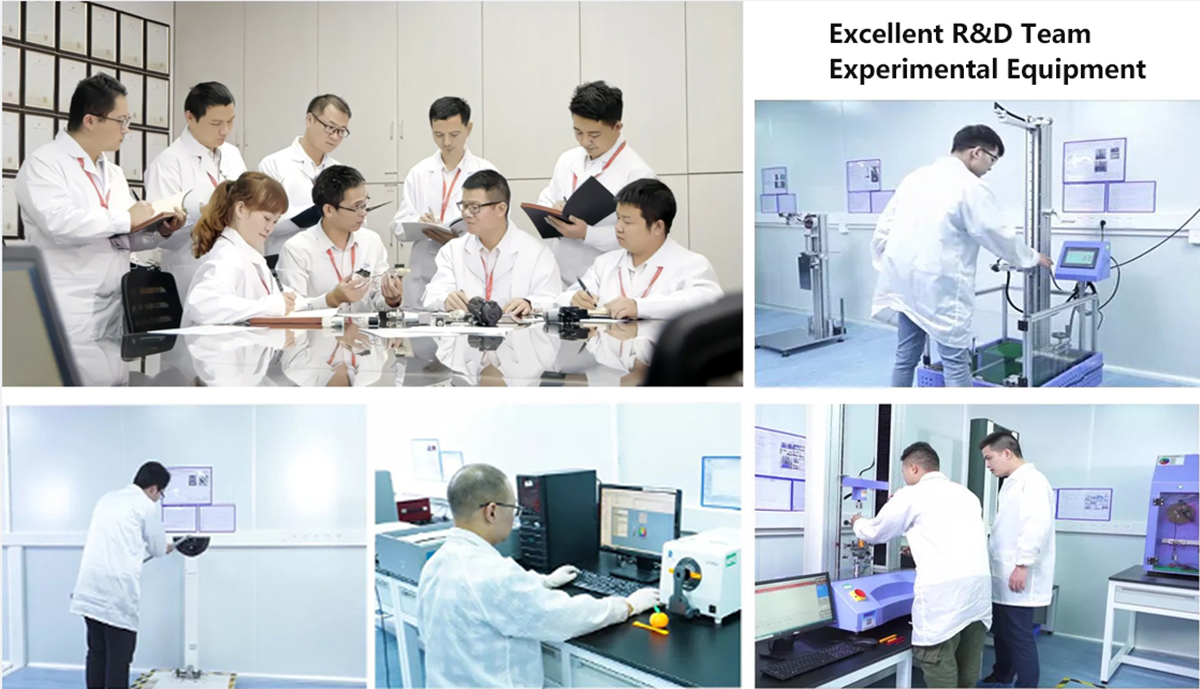
Quality Control
The factory area has passed ISO45001 occupational health and safety management system certification. Every new employee must be experienced one week of safety production knowledge teaching and two weeks of produce skills training, and master every course in the production process. Who is in the position will be responsible for its duty.
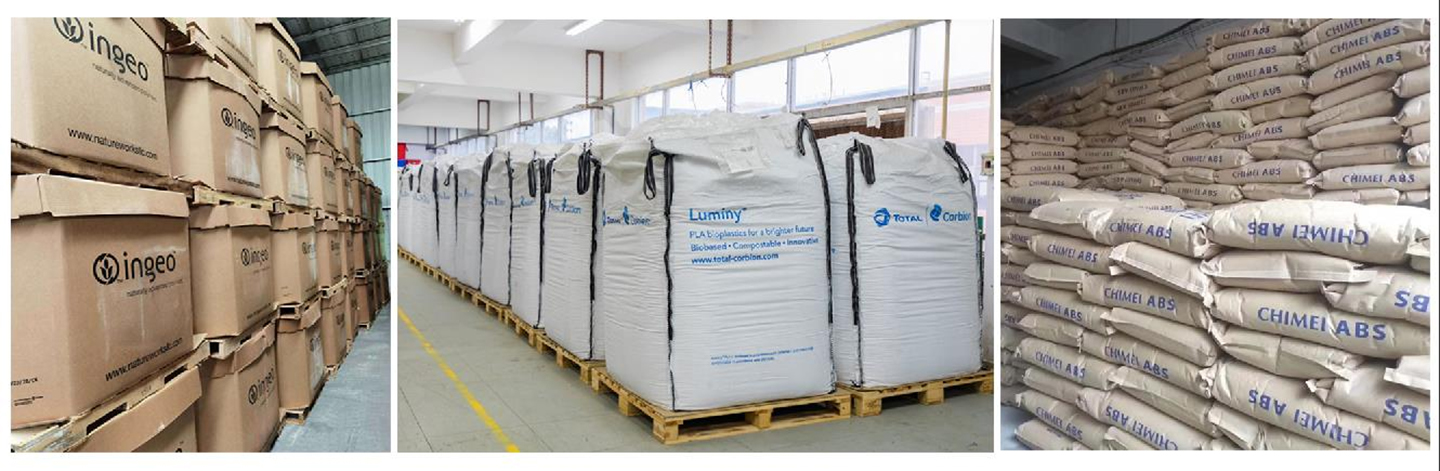
Raw Material
PLA is the most preferred material for 3D printing, Torwell firstly chooses PLA from US NatureWorks, and Total-Corbion is the alternative. ABS from TaiWan ChiMei, PETG from South Korea SK. Each batch of main raw materials comes from the partners who has cooperated more than 5 years to ensure the reliability of the products from the source. Each batch of raw materials will undergo parameters inspection before produce to ensure that raw materials are original and virginal.
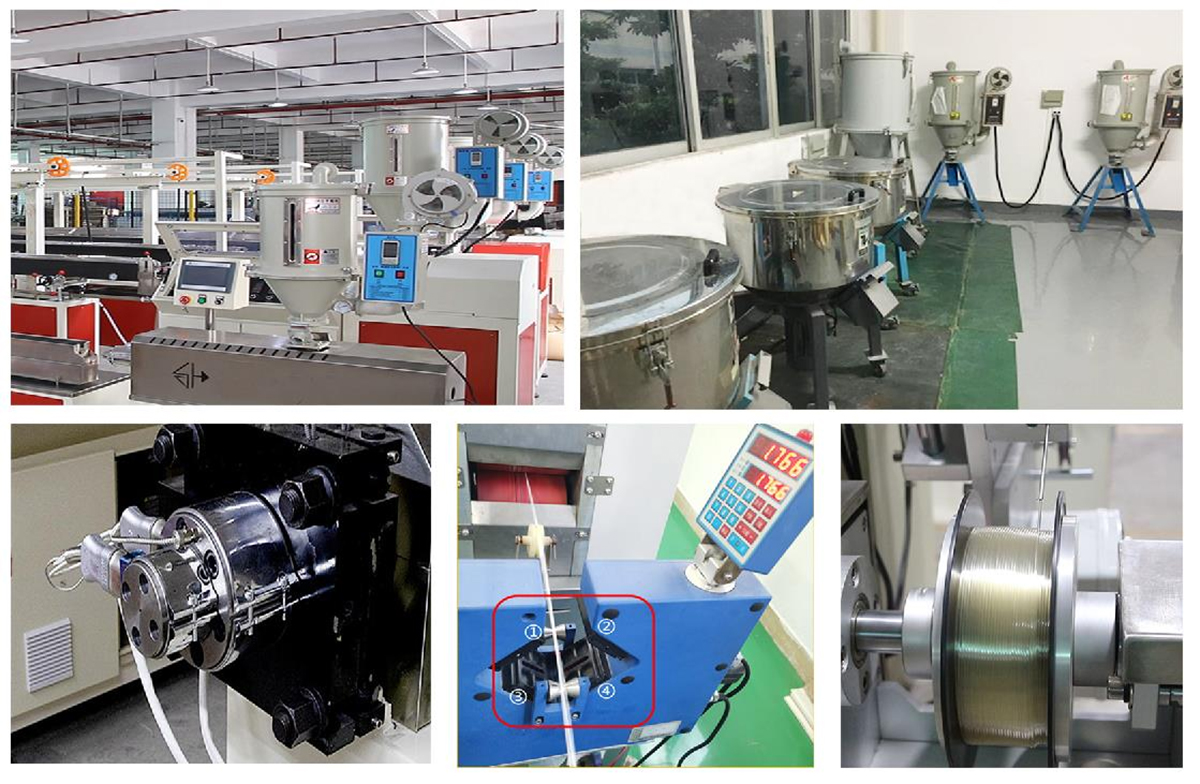
Equipment
The manufacturing workshop will make arrangements after the inspection of raw materials, at least two engineers cross-check the clearance of mixing tank, color mixed of material, humidity from hopper dryer, temperature of extruder, hot/cool tank, and trial-produce and debugging the produce line to make sure all of processes in the best condition. Maintain the filament Diameter tolerance +/- 0.02mm, Roundness tolerance +/- 0.02mm.
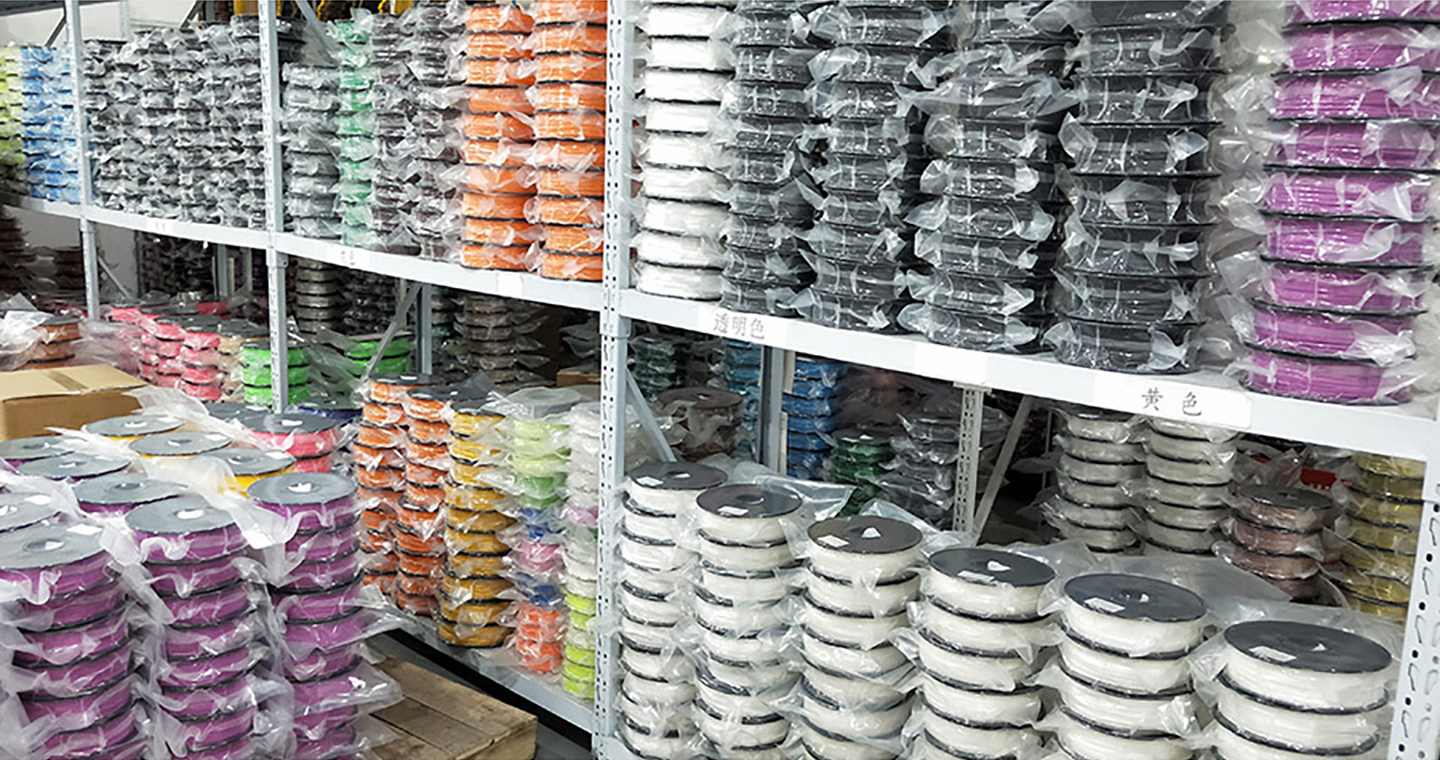
Final Inspection
After each batch of 3D filament is produced, two quality inspectors will conduct random inspections on each batch of finished products in accordance with the requirements of the standard, such as diameter tolerance, color consistency, strength and toughness and so on. After vacuuming the package, place them for 24 hours to check whether there is any leaking package, then label it and finish the package.
Engineered Filaments for Robust Enclosure Prototyping & Production
Browse our complete catalog of industrial polymer filaments designed for consumer electronics, industrial automation, and rugged housings.