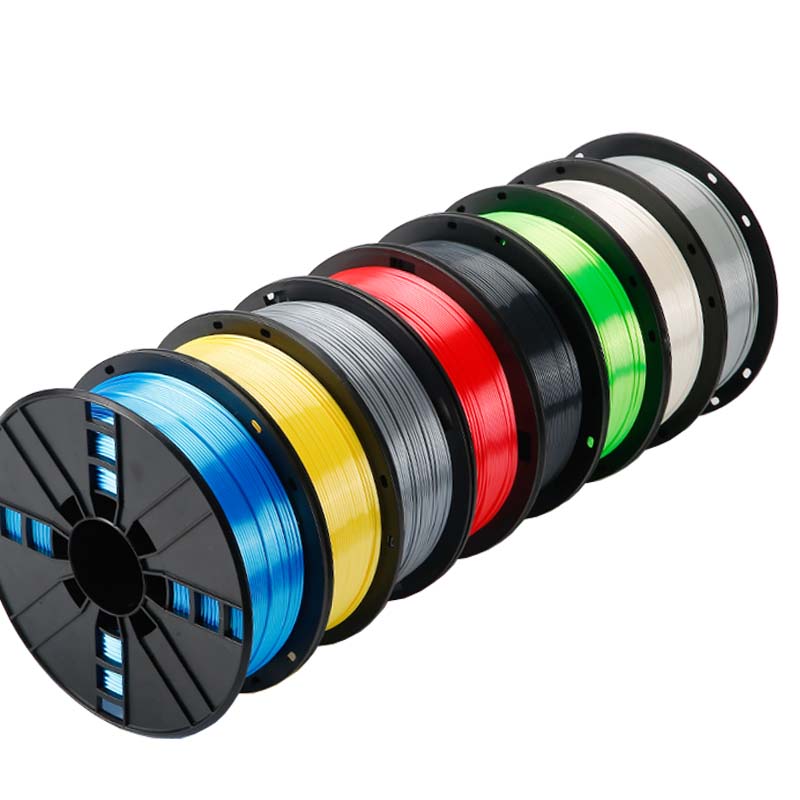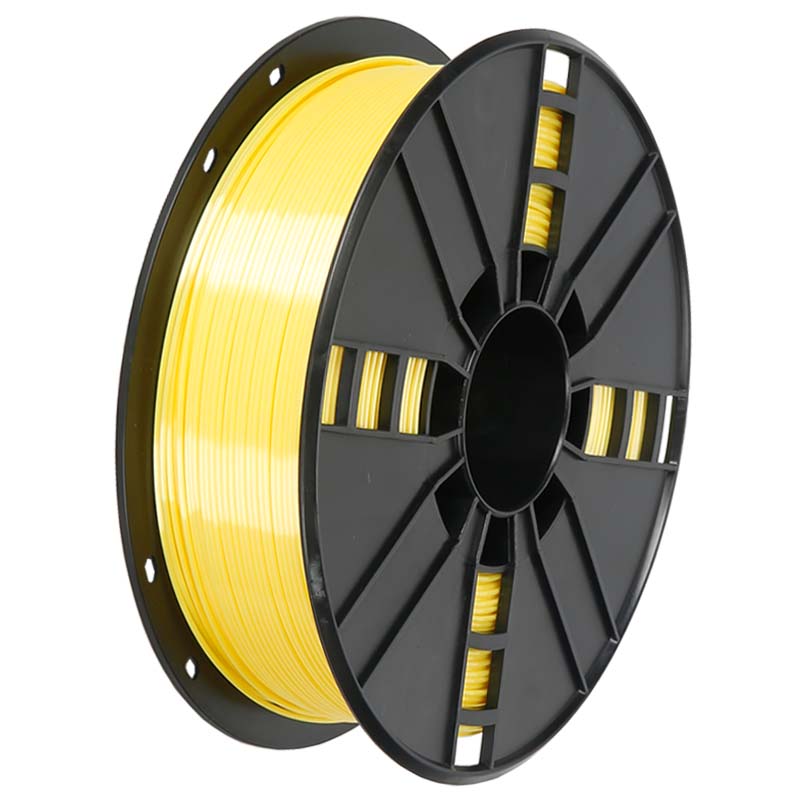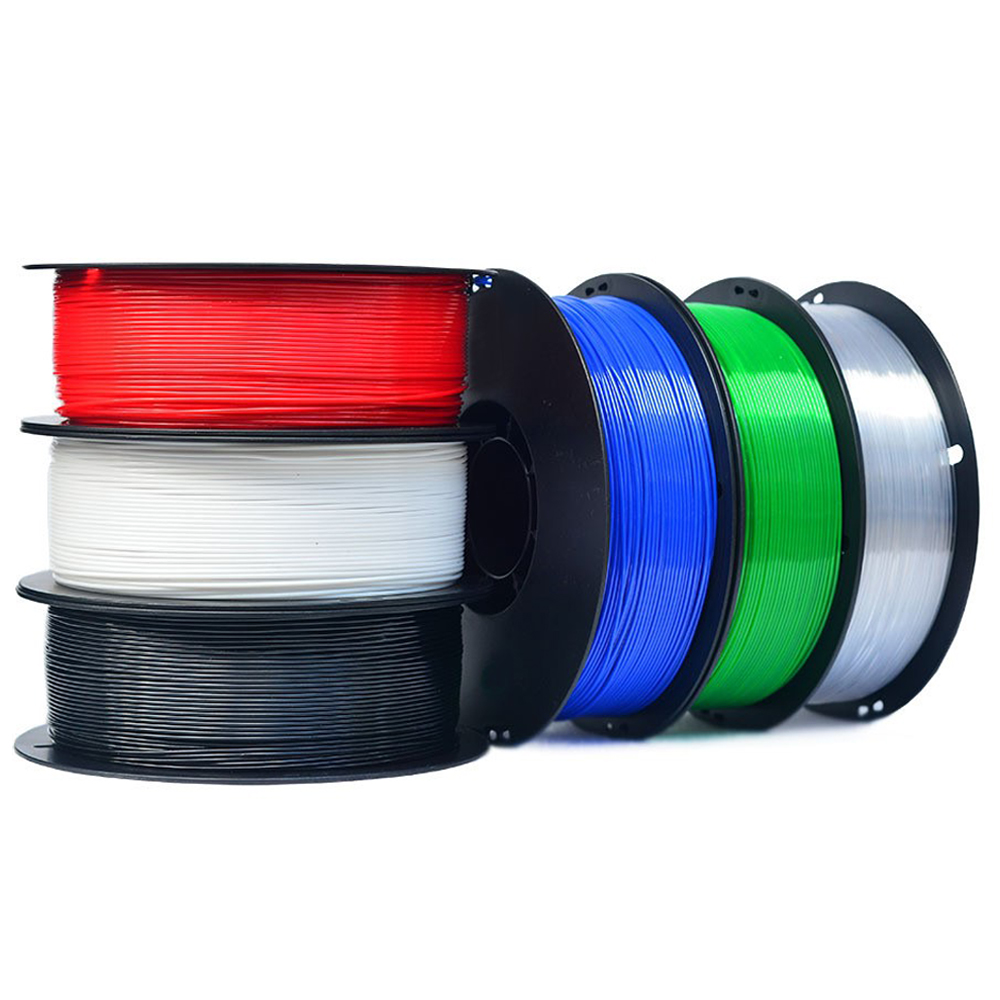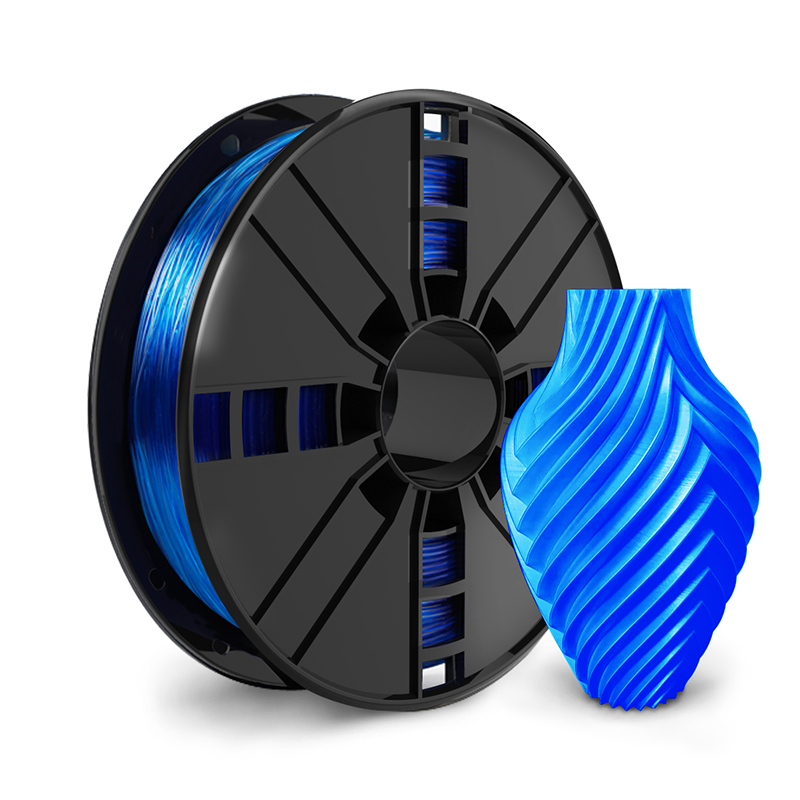
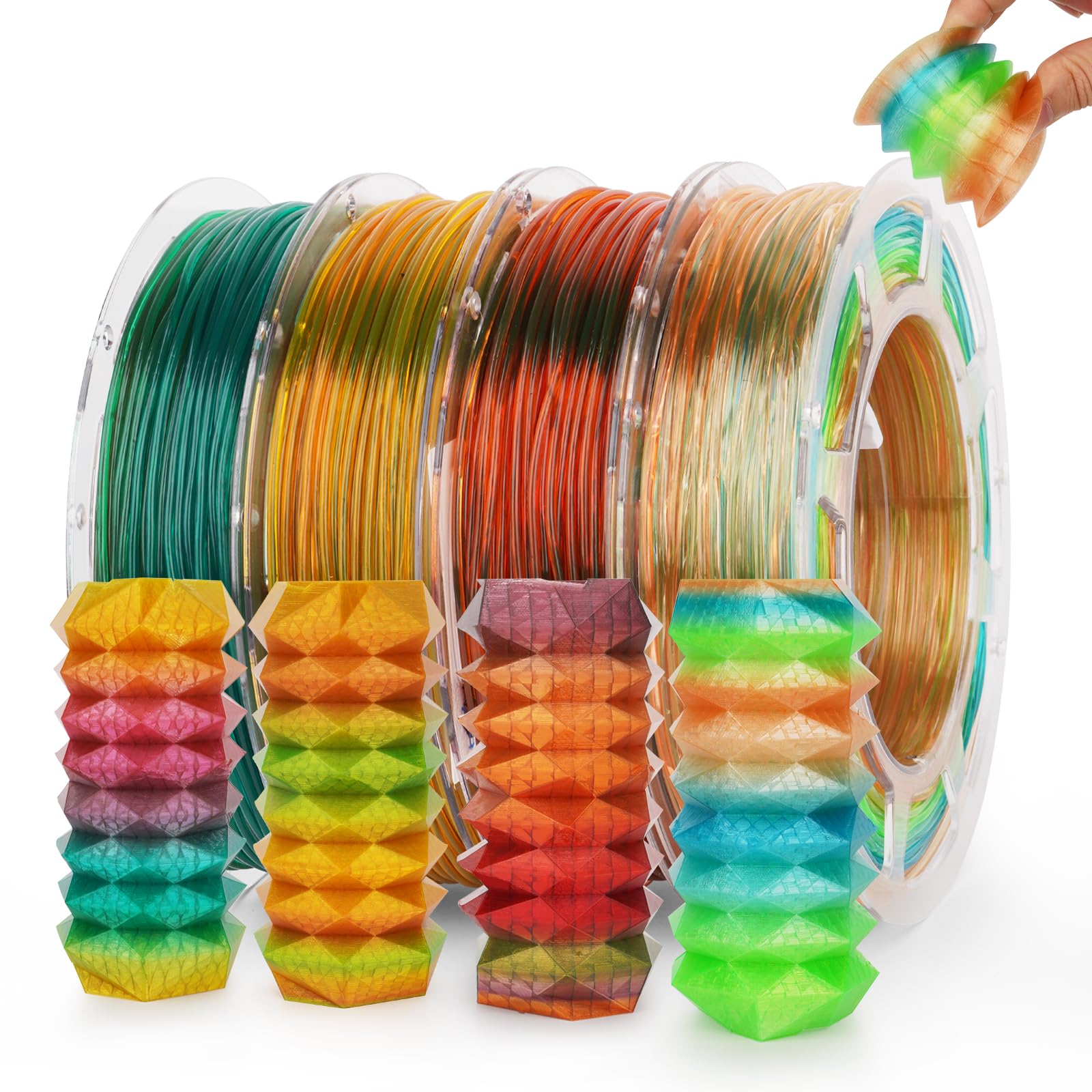
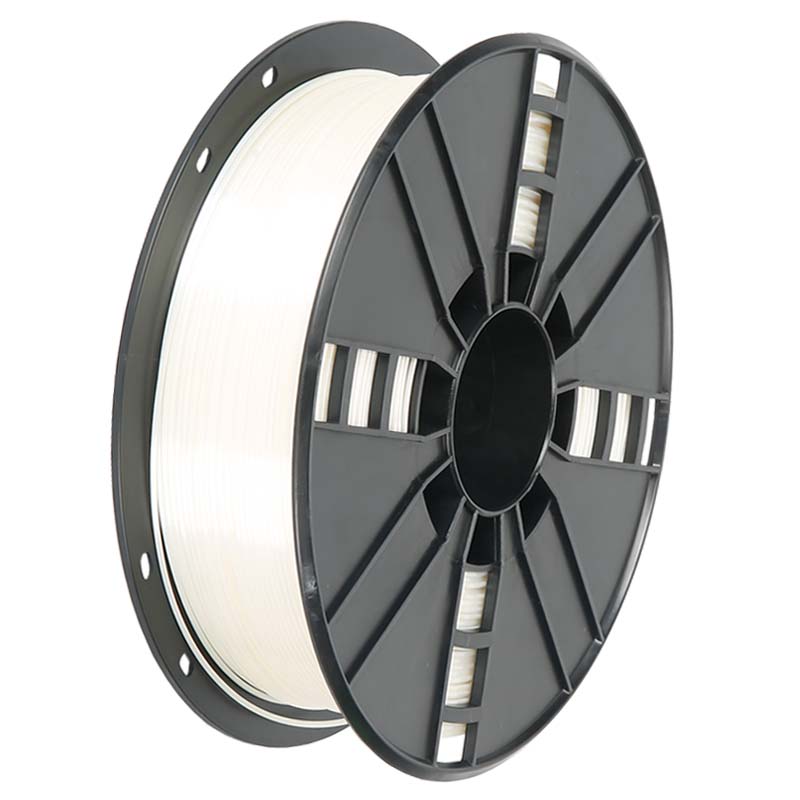
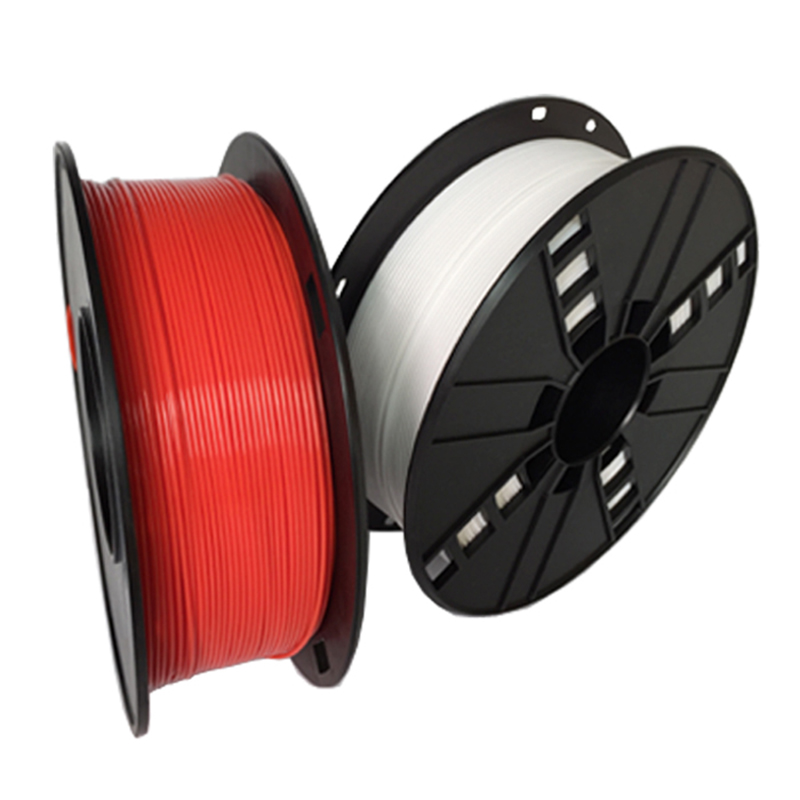
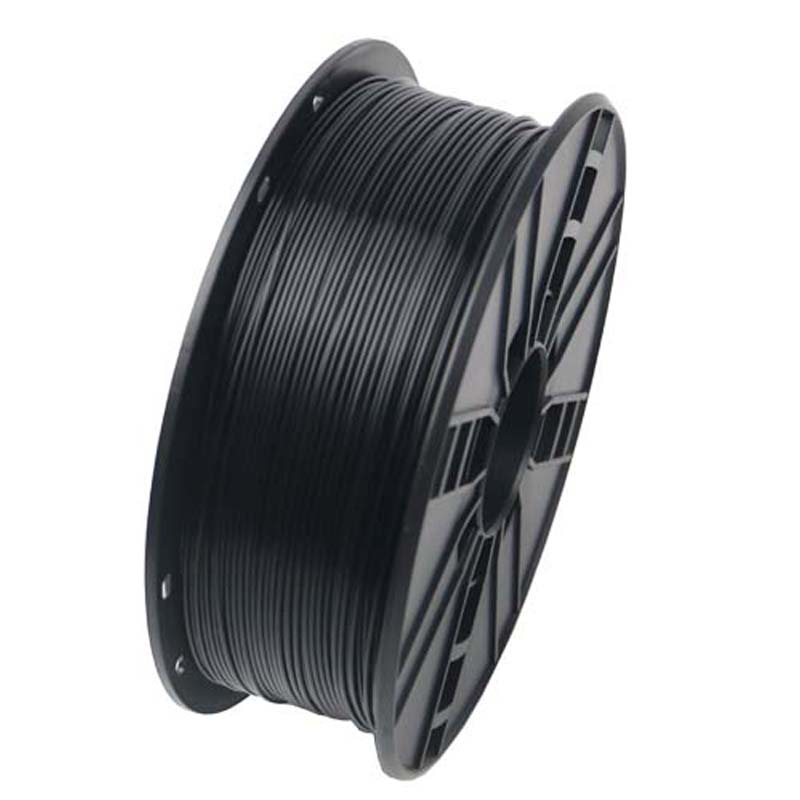
Featured Industrial Filament Lineup
Engineered for seamless feed reliability, superior layer lamination, and extreme durability under heavy mechanical stress.
Industrial Status & Market Dynamics of TPU 95A in Brazil
Understanding the rapid adoption of flexible elastomeric 3D printing polymers across Latin America’s largest economy.
Brazil represents the most dynamic manufacturing and industrial powerhouse in South America. Over recent years, Brazilian enterprises across São Paulo’s ABC automotive belt, the Vale dos Sinos footwear hub in Rio Grande do Sul, the Franca leather-shoe cluster, and the Manaus Free Trade Zone (Pólo Industrial de Manaus) have accelerated their transition toward Industry 4.0 and advanced additive manufacturing. Among the engineering-grade polymers driving this technological leap, Thermoplastic Polyurethane with a Shore Hardness of 95A (TPU 95A) has emerged as the definitive benchmark for flexible 3D printing filaments.
Shore 95A strikes the optimal equilibrium between semi-flexible elasticity and rigid feedability. Unlike softer elastomers (such as Shore 85A or 70A) that frequently buckle inside Bowden extruders or require specialized ultra-low-speed direct drives, TPU 95A allows high-throughput extrusion rates, unmatched layer bonding strength, and exceptional wear resistance. In Brazil's hot and humid tropical climates, local engineers and factory managers demand high thermal stability, consistent polymer crystallinity, and moisture-resistant spool packaging to eliminate stringing, nozzle jamming, and structural delamination.
Automotive & Tier-1 Tier-2 Hubs
Automotive assembly clusters in São Paulo, Paraná, and Minas Gerais actively utilize TPU 95A for on-demand custom seals, vibration dampeners, acoustic buffers, and ergonomic jigs for robotic assembly lines.
Footwear & Sporting Goods
Brazil is one of the world's largest footwear producers. TPU 95A powers functional prototyping and short-run production of flexible midsoles, outsoles, heel cups, and impact-absorbing shoe inserts.
Agribusiness & Heavy Machinery
In Mato Grosso, Paraná, and Goiás, agribusiness operators deploy UV- and chemical-resistant TPU 95A components for fertilizer dispenser seals, flexible seed tubes, and wear-resistant harvesting gaskets.
Engineered Performance: TPU 95A Material Science Matrix
A comprehensive comparison of physical, mechanical, and thermal properties that set our TPU 95A filament apart in demanding factory floor applications.
Thermoplastic Polyurethane is a linear segmented block copolymer composed of alternating hard and soft segments. Our TPU 95A formulation uses premium virgin polyester/polyether TPU resins to deliver high tensile elongation (>500%), outstanding tear resistance, and superior resistance to mineral oils, greases, and aliphatic hydrocarbons commonly encountered in Brazilian automotive and industrial workshops.
| Parameter / Physical Property | Testing Standard | TPU 95A Filament Value | Industrial Application Relevance in Brazil |
|---|---|---|---|
| Shore Hardness | ISO 868 / ASTM D2240 | 95 Shore A (~46 Shore D) | Ideal for direct-drive and Bowden feeding with zero jamming. |
| Tensile Strength at Break | ISO 527 / ASTM D638 | ≥ 45 MPa | Withstands continuous cyclic loads in hydraulic and mechanical assemblies. |
| Elongation at Break | ISO 527 / ASTM D638 | 520% - 580% | High elasticity prevents permanent deformation upon intense compression. |
| Tear Strength | ISO 34-1 (Trouser Method) | 125 kN/m | Guarantees long lifespan for industrial robotic suction cups and boots. |
| Abrasion Resistance | ISO 4649 / DIN 53516 | ≤ 35 mm³ loss | Superior to rubber and ABS; ideal for footwear soles and conveyor guides. |
| Recommended Extrusion Temp | Direct Measurement | 215°C - 235°C | Broad processing window compatible with Bambu Lab, Prusa, and industrial FDM rigs. |
| Heated Bed Temperature | Direct Measurement | 45°C - 60°C (or unheated with PEI) | Zero warping on PEI, textured glass, or glue-assisted build plates. |
| Filament Diameter Tolerance | Dual-Axis Laser Micrometer | ± 0.02 mm (Roundness ≤ 0.02 mm) | Eliminates flow fluctuations and under-extrusion gaps in functional parts. |
Manufacturing Excellence & Quality Control Systems
Behind every spool delivered to Brazil lies a zero-defect manufacturing protocol certified by global industrial standards.
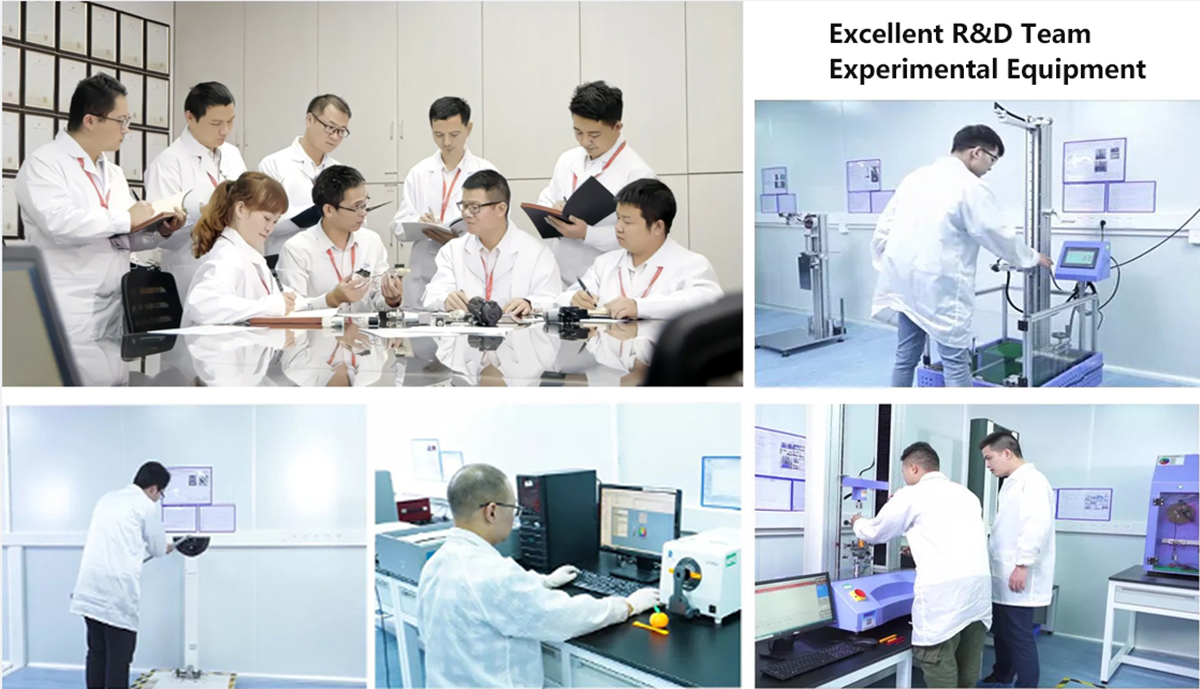
Quality Control
The factory area has passed ISO45001 occupational health and safety management system certification. Every new employee must be experienced one week of safety production knowledge teaching and two weeks of produce skills training, and master every course in the production process. Who is in the position will be responsible for its duty.
- Strict compliance with ISO 9001 and ISO 45001 certified operational safety frameworks.
- Standardized operator certifications with real-time traceability on all production lines.
- Dedicated supervisory audits ensuring consistent manufacturing discipline 24/7.
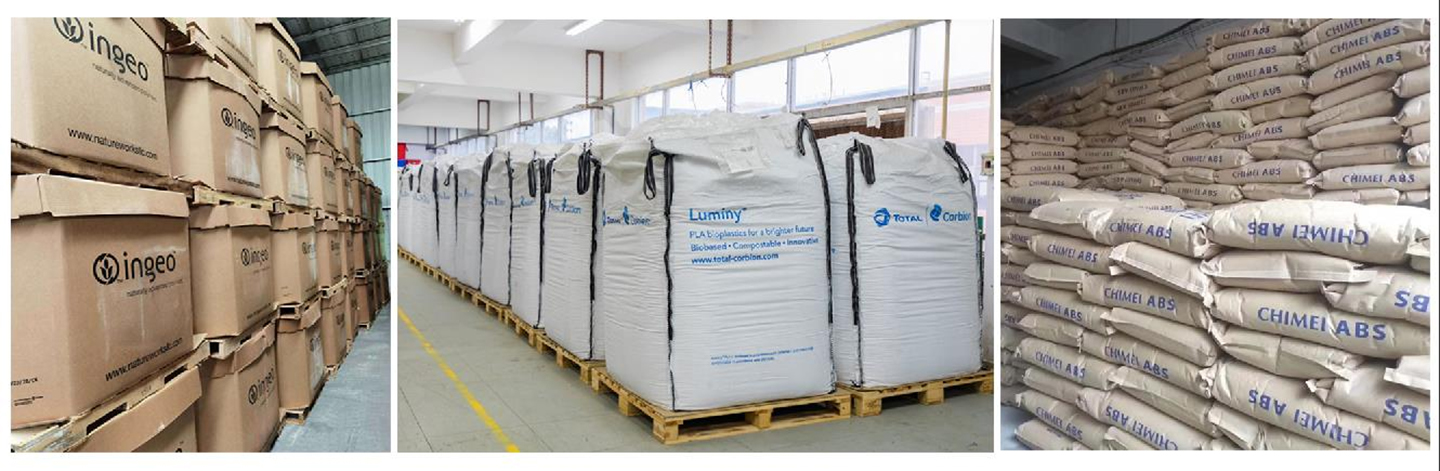
Raw Material
PLA is the most preferred material for 3D printing, Torwell firstly chooses PLA from US NatureWorks, and Total-Corbion is the alternative. ABS from TaiWan ChiMei, PETG from South Korea SK. Each batch of main raw materials comes from the partners who has cooperated more than 5 years to ensure the reliability of the products from the source. Each batch of raw materials will undergo parameters inspection before produce to ensure that raw materials are original and virginal.
- 100% virgin elastomeric polymer bases with zero recycled fillers or regrind contamination.
- Consistent melt-flow index (MFI) verification before entering high-temperature compounding.
- Deep chemical traceability from globally respected petrochemical suppliers.
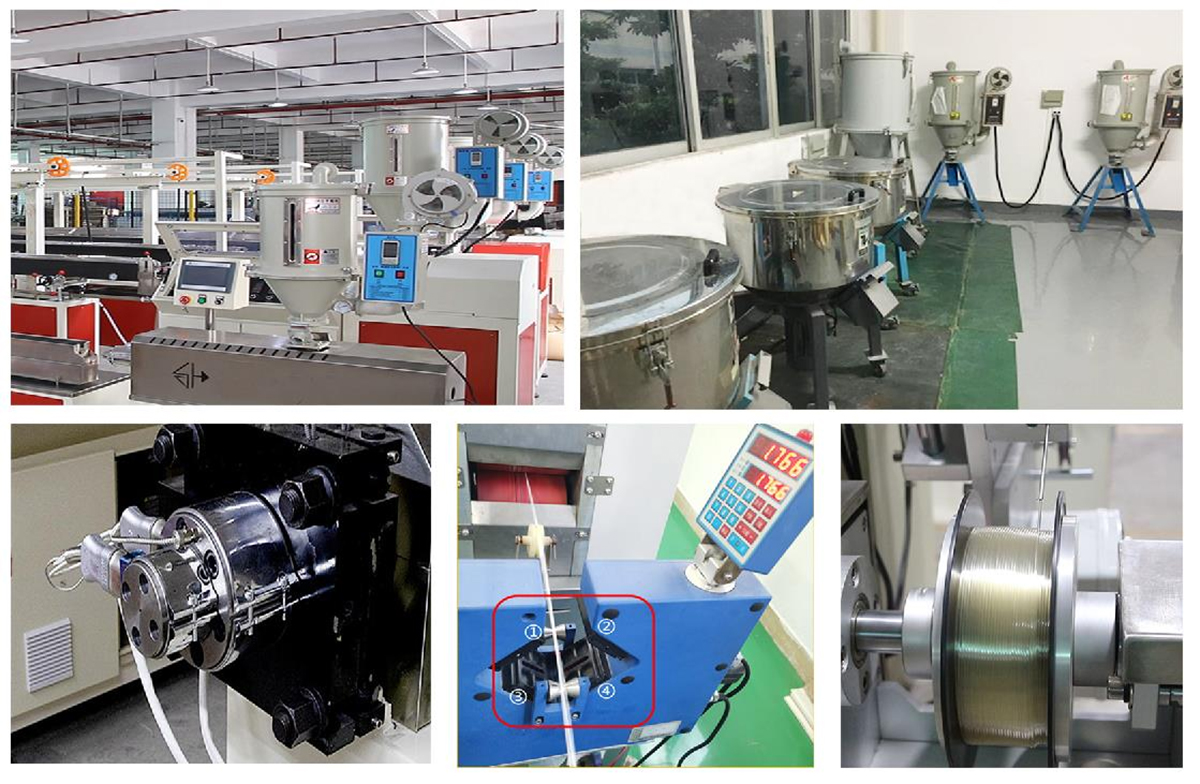
Equipment
The manufacturing workshop will make arrangements after the inspection of raw materials, at least two engineers cross-check the clearance of mixing tank, color mixed of material, humidity from hopper dryer, temperature of extruder, hot/cool tank, and trial-produce and debugging the produce line to make sure all of processes in the best condition. Maintain the filament Diameter tolerance +/- 0.02mm, Roundness tolerance +/- 0.02mm.
- Precision closed-loop dual-axis laser feedback micrometer inspection.
- Advanced multi-stage dehumidifying hopper dryers preventing hygroscopic foaming.
- Smooth, tangle-free winding technology optimized for high-speed automated print farms.
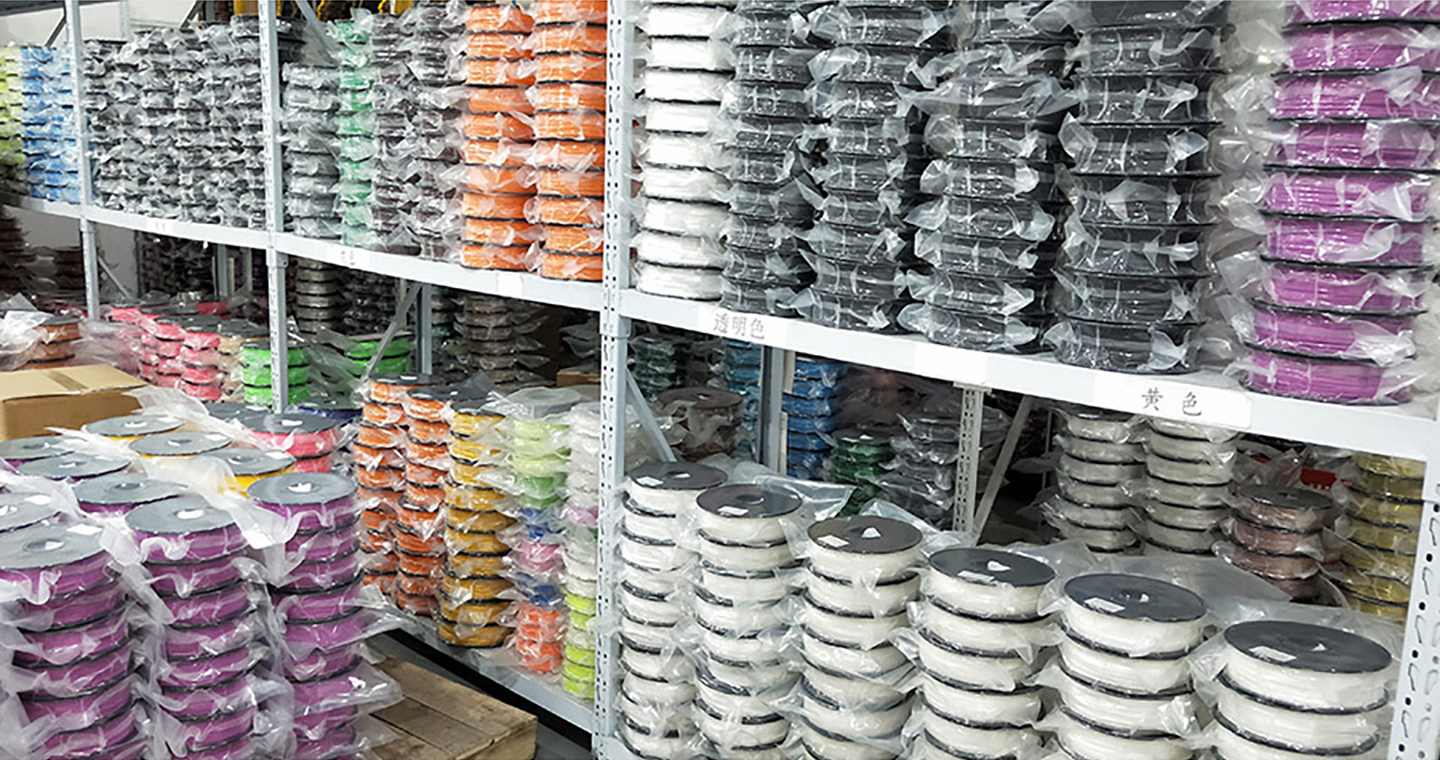
Final Inspection
After each batch of 3D filament is produced, two quality inspectors will conduct random inspections on each batch of finished products in accordance with the requirements of the standard, such as diameter tolerance, color consistency, strength and toughness and so on. After vacuuming the package, place them for 24 hours to check whether there is any leaking package, then label it and finish the package.
- Mandatory 24-hour post-vacuum pressure seal integrity audit to guarantee zero oxidation.
- Color delta (Delta-E) spectrophotometer testing across all vibrant filament shades.
- Trial test-printing on Bambu Lab X1C / Creality K1 / Prusa MK4 rigs prior to batch clearance.
Localized Application Scenarios in Brazilian Industries
How local enterprises leverage Shore 95A flexible filament to slash lead times, eliminate expensive tooling costs, and achieve functional excellence.
1. Footwear Prototyping & Production in Rio Grande do Sul & Franca
Brazilian footwear manufacturers are legendary for design and volume. Traditional aluminum mold casting for prototype sole validation can take 3 to 6 weeks and cost thousands of Reais (BRL). Using TPU 95A filament, shoe designers in Novo Hamburgo and Franca can 3D print full-scale wearable outsoles, insoles, and functional traction patterns overnight. The 95A shore hardness accurately mimics injection-molded vulcanized rubber, allowing genuine gait analysis and flexural fatigue testing.
2. Automotive Factory Jigs & Protective Soft-Jaws in São Paulo
In automotive assembly facilities throughout São Bernardo do Campo, Betim, and São José dos Pinhais, metal components can easily scratch painted or polished automotive bodies. Maintenance and manufacturing engineers print custom TPU 95A robotic end-of-arm grippers, soft-jaw vice inserts, protective painting plugs, and cable guide clamps that offer non-marring flexibility with high load-bearing capacity.
3. Heavy-Duty Agribusiness Wear Parts in the Center-West
Brazil’s vast agricultural sector requires continuous machinery uptime during peak harvest windows. TPU 95A is deployed for custom seed-drill conveyor flaps, vibration-absorbing harvester bushings, chemical sprayer seals, and flexible dust caps. TPU's inherent chemical resistance to fertilizers and pesticides ensures prolonged component service life under direct tropical sunlight and abrasive soil friction.
4. Orthotics, Prosthetics & Medical Devices
Brazilian biomedical clinics and rehabilitation institutes in Curitiba, Brasília, and São Paulo utilize TPU 95A to fabricate custom 3D printed dynamic ankle-foot orthoses (AFOs), flexible wrist splints, prosthetic socket liners, and personalized comfort inserts. The high biocompatibility, skin-safe touch, and fatigue resistance make Shore 95A the premier choice for ergonomic rehabilitation.
B2B Direct Sourcing, OEM Customization & Brazilian Distribution
Strategic advantages for Brazilian 3D printing distributors, e-commerce brands, and industrial contract manufacturers.
Importing high-grade 3D printer filaments into Brazil requires a reliable manufacturing partner capable of navigating international logistics, providing consistent bulk quality, and offering flexible OEM private-label branding. Whether your distribution company supplies Maker communities via Mercado Livre or serves aerospace and automotive conglomerates directly, our manufacturing infrastructure delivers unparalleled advantages:
Custom Spool & Packaging
Full OEM branding: custom cardboard/plastic spools, individualized box art, personalized multilingual instruction booklets (Portuguese/English), and barcode labeling ready for Brazilian customs and retail fulfillment.
Pantone Color Matching
Beyond standard black, white, and translucent TPU, our precision masterbatch mixing line can formulate custom corporate Pantone and RAL colors with high UV resistance and zero color batch drift.
Direct Logistics to Brazilian Ports
Experienced in handling freight shipping documentation (FOB / CIF / DDP) to major Brazilian ports including Santos (SP), Paranaguá (PR), Itajaí (SC), and Suape (PE), optimizing clearance speeds and freight economics.
Best Printing Practices for TPU 95A in Tropical Environments
Maximize mechanical interlayer bond strength and eliminate stringing on all FDM/FFF 3D printing platforms.
Optimal Slicer Parameters
- Printing Speed: 30 - 60 mm/s for standard extruders; up to 100 - 150 mm/s on high-speed direct-drive machines (Bambu Lab / K1 Series).
- Extrusion Temperature: 220°C - 235°C depending on nozzle diameter and flow rate.
- Retraction Settings: 1.0 - 2.5 mm for Direct Drive (speed 25 - 40 mm/s); minimize or disable retraction for Bowden setups to prevent filament kinking.
- Part Cooling Fan: 40% - 70% for standard geometries; 100% on sharp overhangs and bridges.
- Infill Density: 15% - 25% Gyroid or Honeycomb infill pattern yields isotropic flexible properties without premature directional tearing.
Moisture Management & Storage
- Tropical Humidity Control: Brazil’s ambient relative humidity often exceeds 70%. TPU is naturally hygroscopic. Always store spools in vacuum-sealed bags with high-capacity desiccant packs when not in use.
- Active Drying: If filament has been exposed to ambient air, dry in a dedicated filament dryer or convection oven at 55°C - 65°C for 4 to 6 hours before critical production runs.
- Bed Adhesion: TPU adheres aggressively to smooth PEI. Use a thin layer of PVA glue stick or print on textured PEI / glass to allow easy part release without tearing the bed coating.
Frequently Asked Questions (FAQ)
Key information for procurement officers, engineers, and 3D printing shop owners in Brazil.
Can TPU 95A be printed on standard Bowden-drive 3D printers?
Yes. Because Shore 95A has sufficient structural column stiffness, it can be reliably printed on Bowden systems (such as Creality Ender series) at moderate speeds (20-35 mm/s) with a constrained filament path and low friction PTFE tubing.
What are the MOQ requirements for OEM private labeling?
We offer flexible minimum order quantities (MOQs) tailored for Brazilian startup filament brands and established distributors alike, beginning from small test pallet batches to full 20ft/40ft container direct factory shipments.
How does TPU 95A resist Brazilian outdoor UV and weathering?
Our TPU 95A polymer formulation includes specialized UV-stabilizer additives, preventing yellowing, embrittlement, and surface cracking even during prolonged outdoor exposure in intense tropical solar radiation.
What certifications accompany our factory shipments?
Every batch includes complete RoHS, REACH, ISO 9001, and ISO 45001 compliance documentation, along with detailed Material Safety Data Sheets (MSDS) and Certificates of Analysis (CoA) for rapid customs processing in Brazil.
Complete 3D Printing Filament Portfolio
Explore our full line of premium thermoplastic filaments supplied directly from our high-precision extrusion factory.