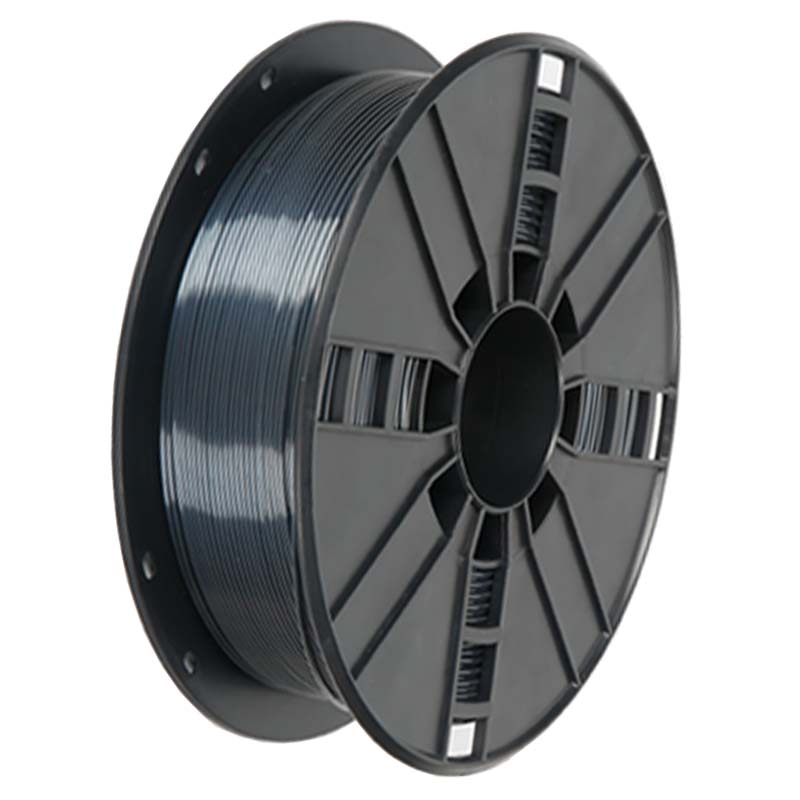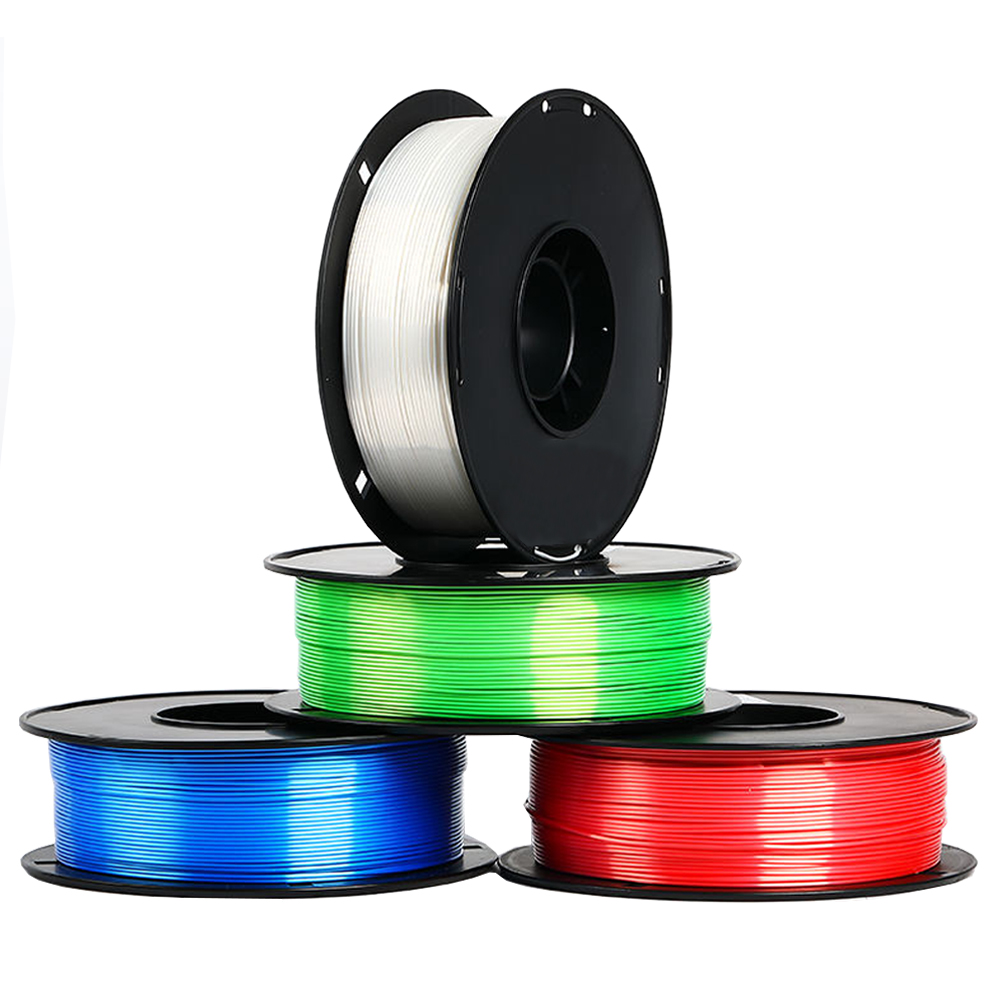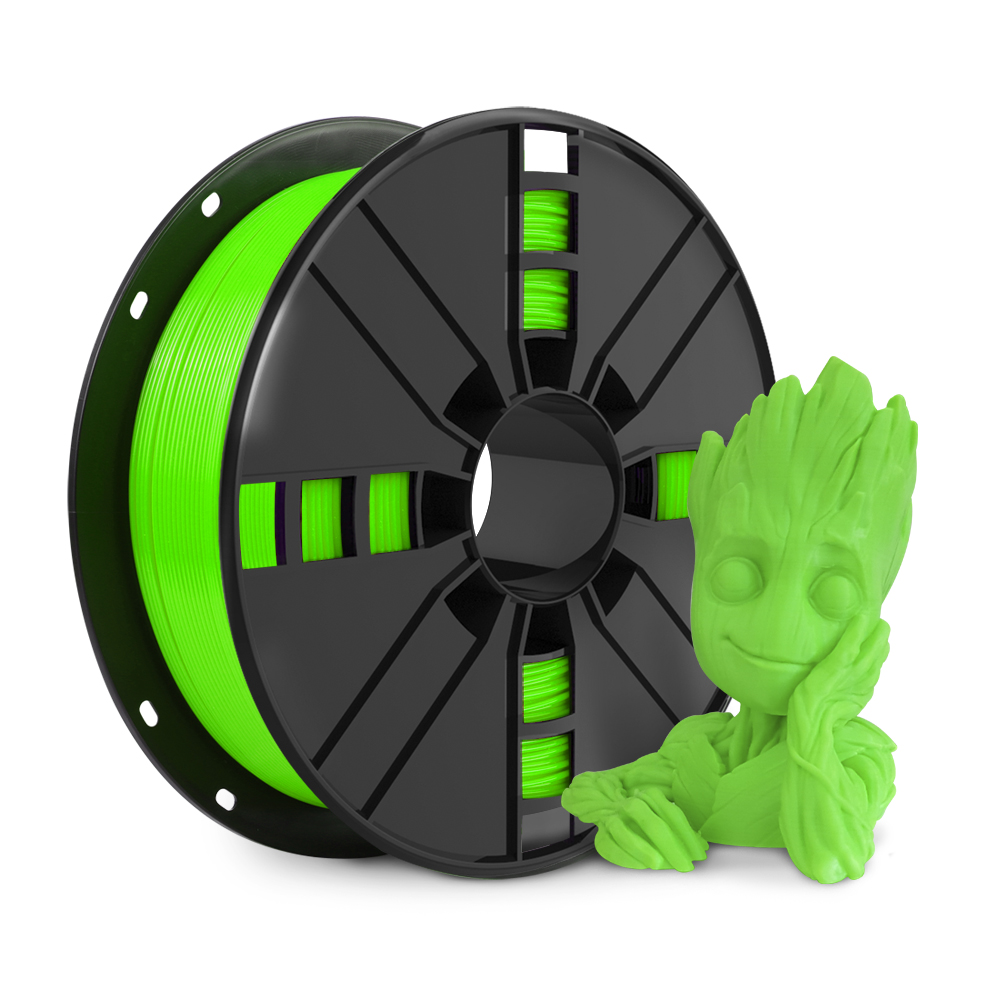
Premier Industrial 3D Printer Filaments
High-performance engineering polymers precision-engineered for industrial 3D printing applications in Singapore's smart manufacturing sectors.
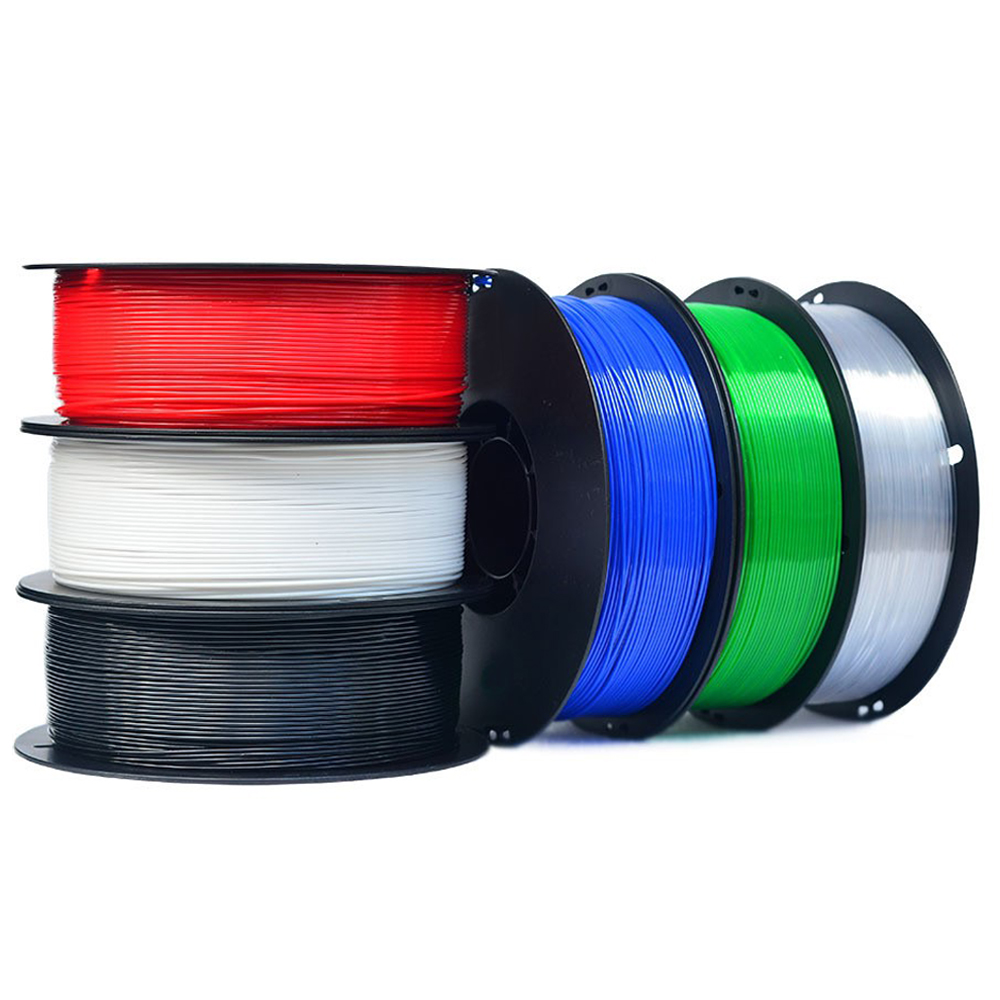
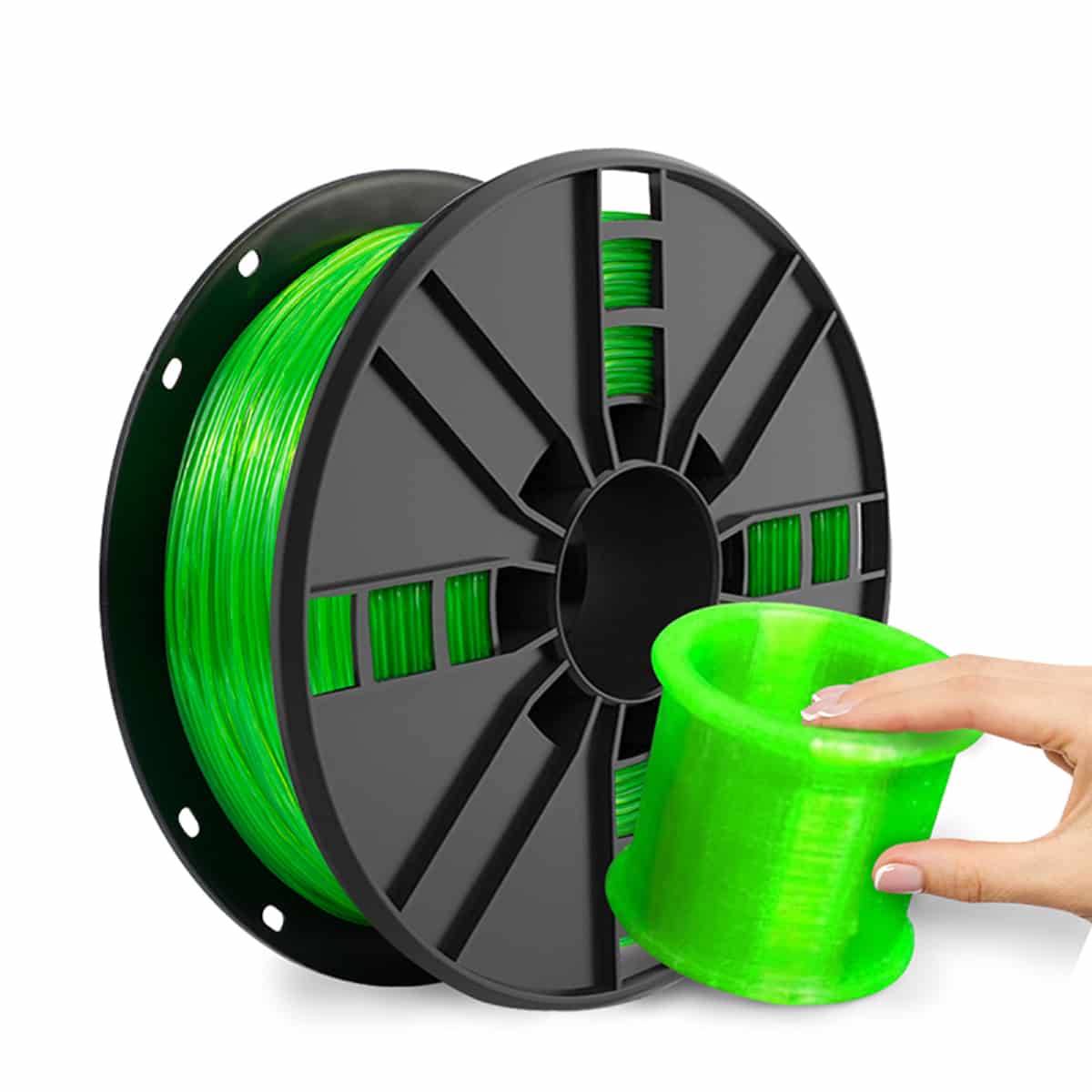
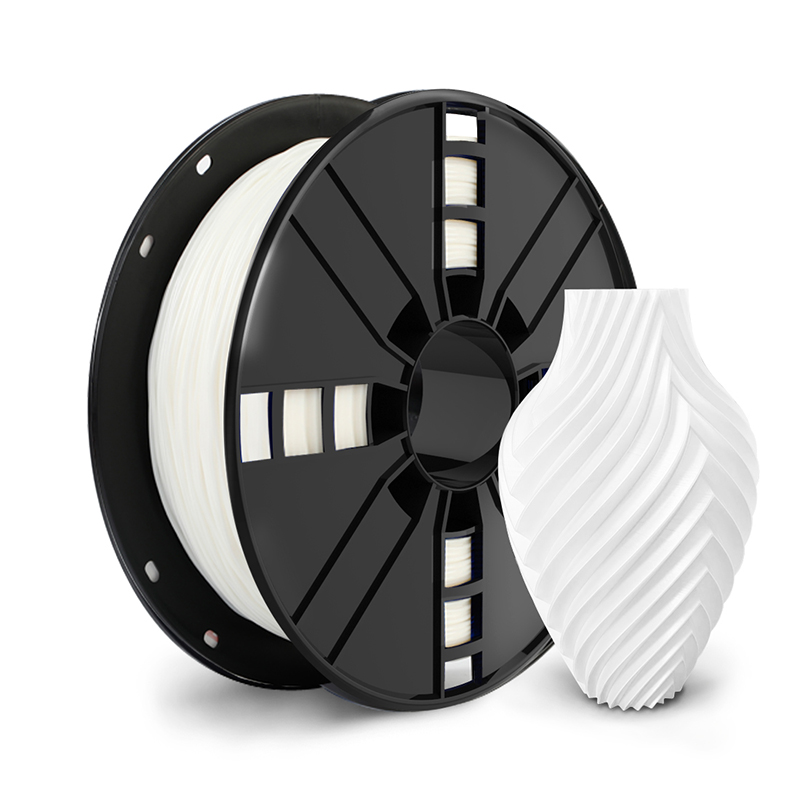
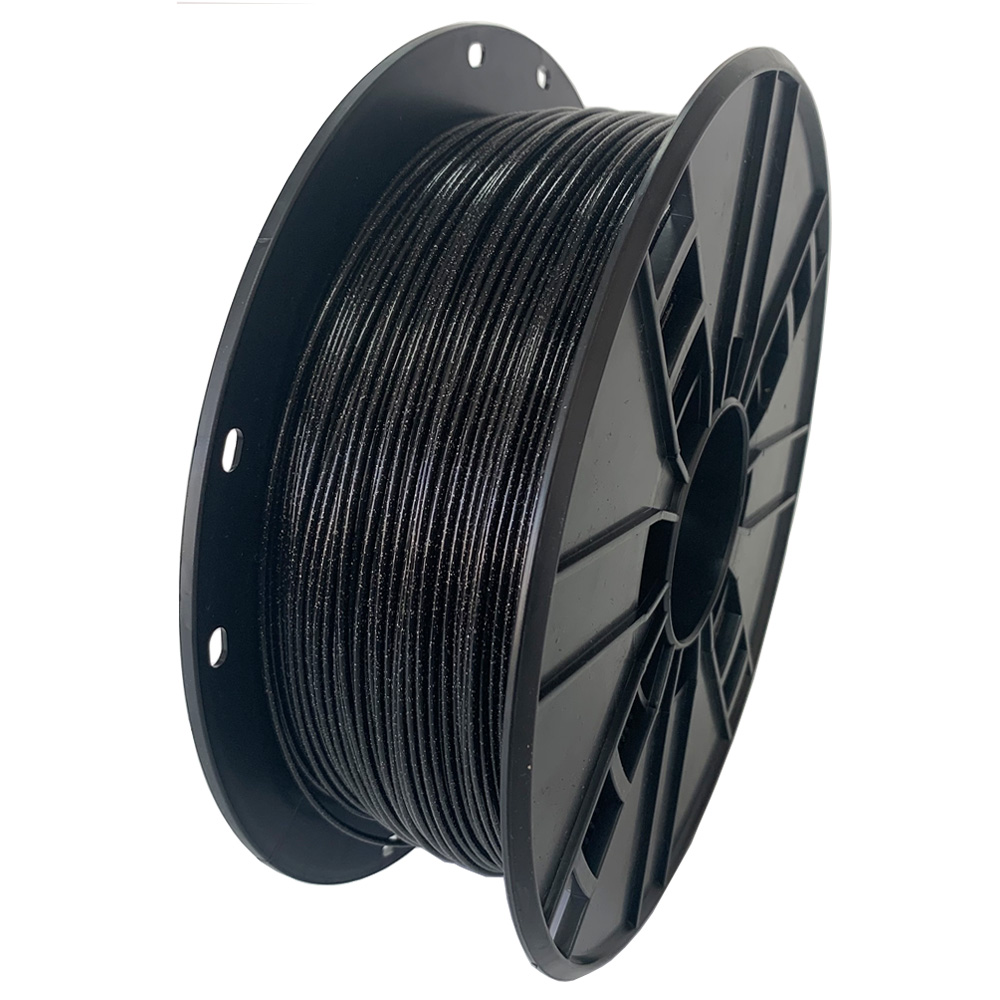
Singapore's Additive Manufacturing Ecosystem & The Role of TPU 95A
Singapore has established itself as one of the world's preeminent hubs for advanced manufacturing, Industry 4.0 transformation, and additive manufacturing (AM) innovation. Anchored by institutions like the National Additive Manufacturing Innovation Cluster (NAMIC), the Agency for Science, Technology and Research (A*STAR), and the Jurong Innovation District (JID), the city-state is transitioning traditional production models into high-precision, digitalized manufacturing networks. Within this high-technology matrix, Thermoplastic Polyurethane (TPU 95A) filament has emerged as a cornerstone elastomeric polymer, bridging the mechanical gap between rigid thermoplastics and flexible rubbers.
Industrial demand for TPU 95A in Singapore is heavily driven by its unique combination of mechanical flexibility, high tensile elongation, superior shore hardness stability, and outstanding resistance to abrasion, oils, greases, and marine-grade saline environments. Whether for aerospace interior components, biomedical wearable orthotics, maritime valve seals, or robotic vacuum grippers in automated cleanrooms, TPU 95A delivers the exact durability and elasticity required for extreme functional applications across the Lion City.
Shore 95A Ideal Hardness
Balances structural rigidity with high elasticity, ensuring seamless feedability through both Direct-Drive and Bowden extrusion systems without clogging or buckling.
Chemical & Oil Resistance
Exceptional inertness against industrial oils, greases, hydrocarbon solvents, and high humidity common in Southeast Asian offshore and manufacturing operations.
High Interlayer Cohesion
Delivers near-isotropic structural strength with elongation at break exceeding 500%, virtually eliminating delamination under cyclic fatigue and heavy impacts.
Technical Specifications & Engineering Properties of Torwell TPU 95A
Engineered with premium virgin thermoplastic elastomer granules, Torwell TPU 95A filament undergoes a dual-axis laser micro-inspection process during continuous extrusion to ensure an exacting diameter tolerance of ±0.02mm. This level of dimensional consistency prevents nozzle backpressure anomalies, under-extrusion, and surface defects, making it fully compatible with industrial-grade FDM/FFF 3D printing equipment utilized across Singaporean research laboratories and production facilities.
| Property Parameter | Standard Value / Metric | Testing Method / Standards |
|---|---|---|
| Hardness (Shore A) | 95A ± 2 | ISO 868 / ASTM D2240 |
| Tensile Strength at Yield | 38 - 45 MPa | ISO 527 / ASTM D638 |
| Elongation at Break | ≥ 500% | ISO 527 / ASTM D638 |
| Tear Strength | 120 - 135 kN/m | ISO 34-1 / ASTM D624 |
| Abrasion Loss | 25 mm³ | DIN 53516 / ISO 4649 |
| Printing Temperature Range | 210°C - 235°C | Standard FDM Nozzle Configuration |
| Heated Bed Temperature | 30°C - 60°C (Optional/Recommended) | PEI / Glass / BuildTak Platform |
| Standard Diameter Options | 1.75mm / 2.85mm (±0.02mm Tolerance) | Continuous Dual-Axis Laser Gauge |
Localized Application Scenarios in Singapore's Leading Industries
Singapore's strategic economy relies on specialized, high-value-added sectors where downtime is costly and rapid component fabrication is vital. The integration of high-grade TPU 95A filament into production workflows is revolutionizing several key industries:
Automation & Smart Robotics
Custom pneumatic suction cups, end-of-arm tooling (EOAT) buffers, soft robotic grippers, and vibration dampeners manufactured on-demand for electronic assembly lines in Jurong and Woodlands.
Maritime & Port Operations
Saltwater-resistant protective caps, fuel line gaskets, shock-absorbing bumper pads, and sealing rings utilized in Tuas Port automated cranes and offshore marine maintenance depots.
Aerospace MRO Infrastructure
Tool organizers, surface-protection jigs, specialized masking fixtures, and cabin ducting prototypes engineered for Singapore's Seletar Aerospace Park and Changi MRO hubs.
MedTech & Custom Healthcare
Orthopedic shoe insoles, patient-matched rehabilitation splints, ergonomic prosthetic socket interfaces, and surgical training models manufactured in compliance with strict hygiene protocols.
Semiconductor Manufacturing
Non-marring wafer carrier dampers, anti-vibration mounts for precision testing equipment, and electrostatic dissipation shielding covers for cleanroom semiconductor processing.
Consumer Electronics & Wearables
Rugged protective casings, waterproof device gaskets, flexible straps, and shockproof bezels for IoT devices and smart tracking gear developed in Singapore's startup hubs.
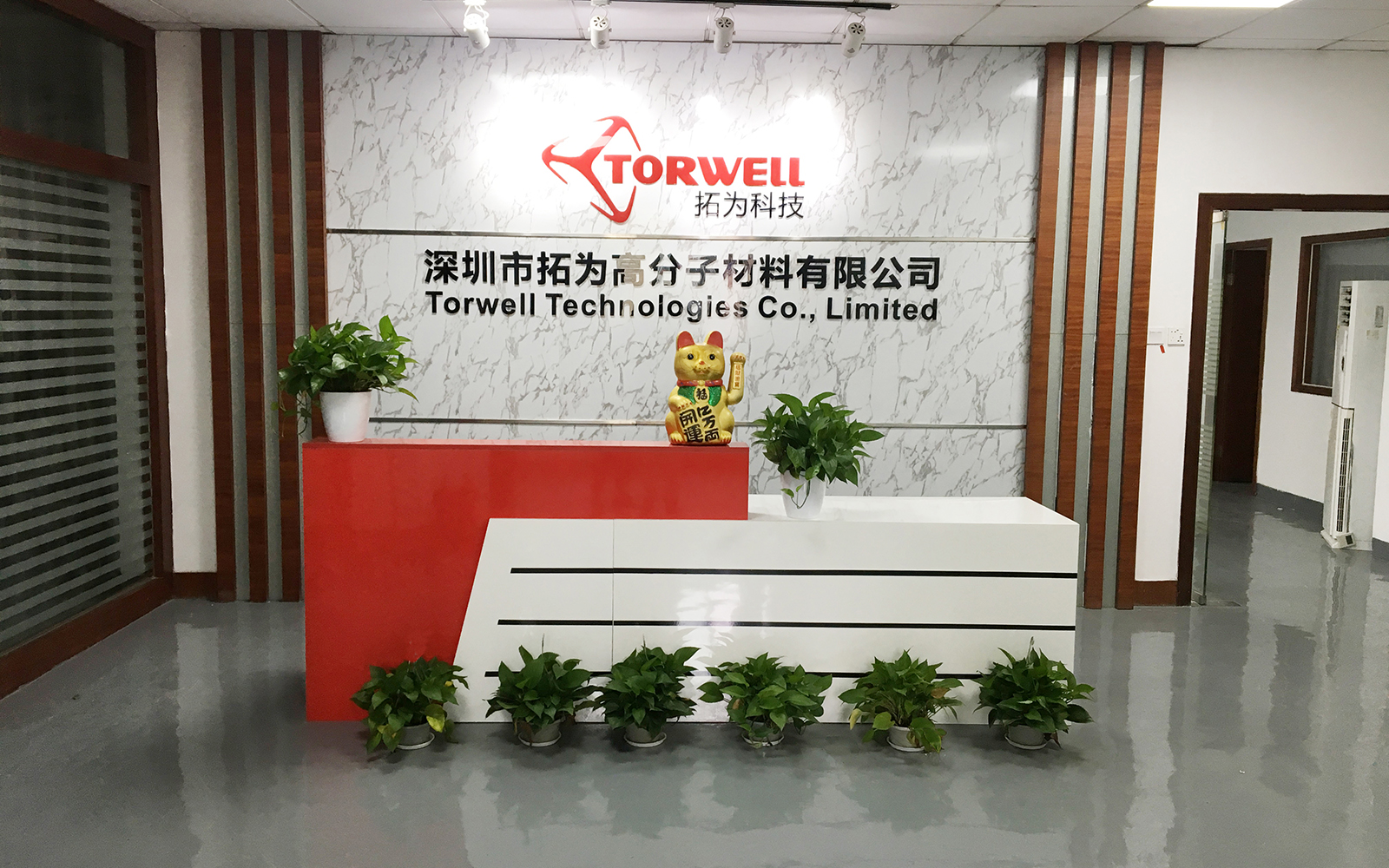
Company Profile & Manufacturing Infrastructure
Founded in 2011, Torwell Technologies Co., Ltd. is one of the earliest high-tech enterprises which specializing in high – tech 3D printer filaments research, manufacture and sell, occupies 2,500 square meters modern factory with production capacity of 50,000kgs per month.
With more than 10years experiences in 3D printing market exploration, cooperated with Institute for High Technology and New Materials in domestic famous universities, and engaging Polymer materials experts as technical adviser, Torwell becomes one of member of Chinese rapid prototyping association and leader enterprise with the most innovative products in 3D printing industry, owns independent intellectual property rights, patents and trademarks(Torwell US, Torwell EU, NovaMaker US, NovaMaker EU).
Torwell passed international quality management system ISO9001, international environment system ISO14001, the advanced manufacturing equipment, test devices and virgin raw materials available are introduced to produce and distribute 3D printer filament of unparalleled quality, to insure all the products of Torwell are compliant with RoHS standard, MSDS, Reach, TUV and SGS test certificated.
Be a reliable and professional 3D printing partner, Torwell has committed to expanding its products to America, Canada, UK, Germany, Netherlands, France, Spain, Sweden, Italy, Russia, Mexico, Australia, New Zealand, Brazil, Argentina, Japan, South Korea, Vietnam, Thailand, Malaysia, India, more than 80 countries and regions.
Printing Optimization & Processing Parameters in Tropical Climates
Singapore's tropical climate features ambient relative humidity often exceeding 80%. Because TPU is naturally hygroscopic, moisture absorption can lead to foaming, stringing, and reduced interlayer adhesion during the extrusion process. Torwell employs multi-stage desiccant vacuum packing and offers strict technical handling guidelines to guarantee flawless prints under Southeast Asian ambient conditions:
1. Extruder Configuration: Direct-drive extruders with constrained filament paths provide optimum control for flexible polymers like TPU 95A. When printing on Bowden setups, reducing extrusion speed to 20–30 mm/s and utilizing Capricorn PTFE tubing minimizes friction and prevents buckling.
2. Retraction & Speed Control: Set retraction distance between 1.0mm–3.0mm on direct drive systems (4.0mm–6.0mm on Bowden systems) with low retraction speeds (20–25 mm/s) to mitigate nozzle pressure spikes without causing stringing.
3. Bed Adhesion & Temperature: TPU 95A exhibits phenomenal natural adhesion to clean PEI, glass, or blue painter's tape at bed temperatures of 30°C–50°C. In fact, adhesion can be so strong that a thin layer of PVA glue stick or release agent is recommended to avoid surface tearing during part removal.
4. Moisture Management: Pre-dry spools in an active filament dryer at 60°C for 4 to 6 hours before lengthy print runs to eliminate ambient moisture absorbed during workshop exposure.
Comprehensive 3D Filament Catalog & OEM/ODM Supply
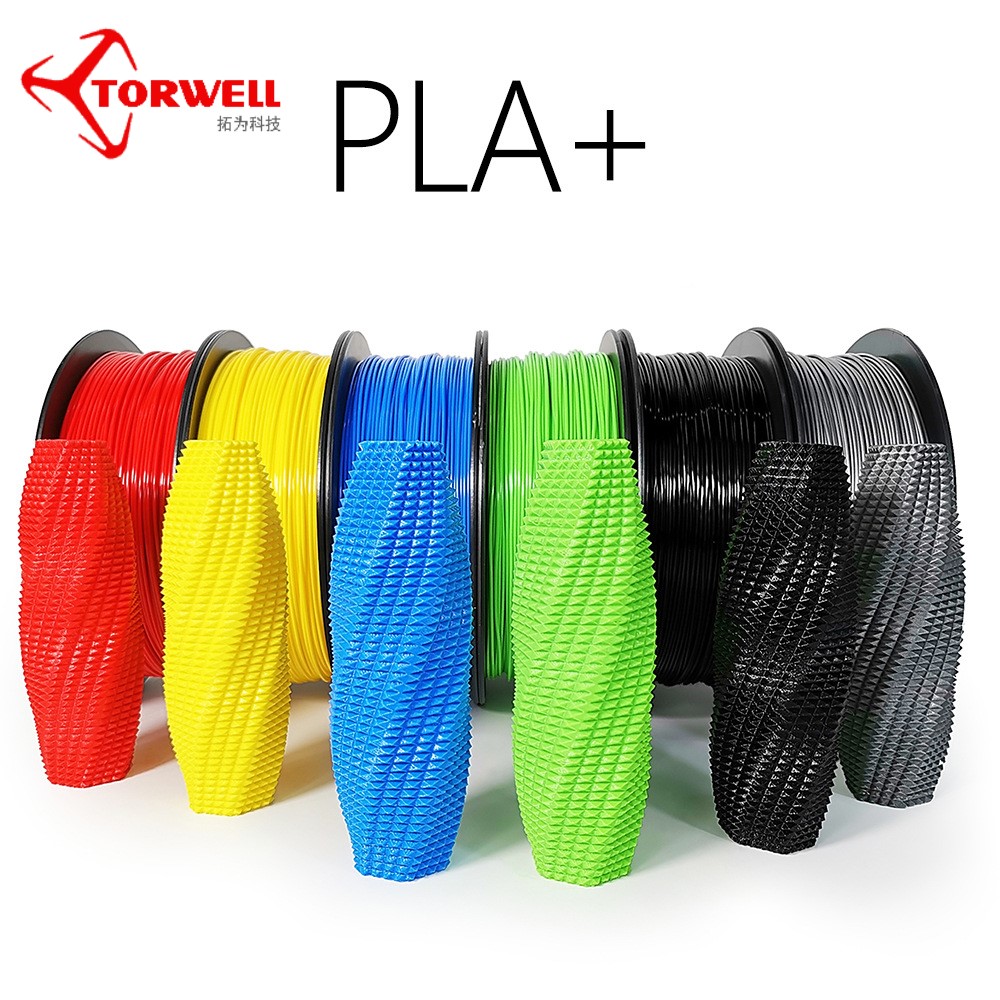
Browse our complete catalog of industrial, functional, and aesthetic 3D printing filaments, exported to Singapore and over 80 countries globally.