Specialized Polymers for Ergonomic Tool Prototyping & Grips
Explore our top-tier additive materials engineered for durable elastomeric cushioning, rigid structural tool inserts, and rapid human-factor prototypes.
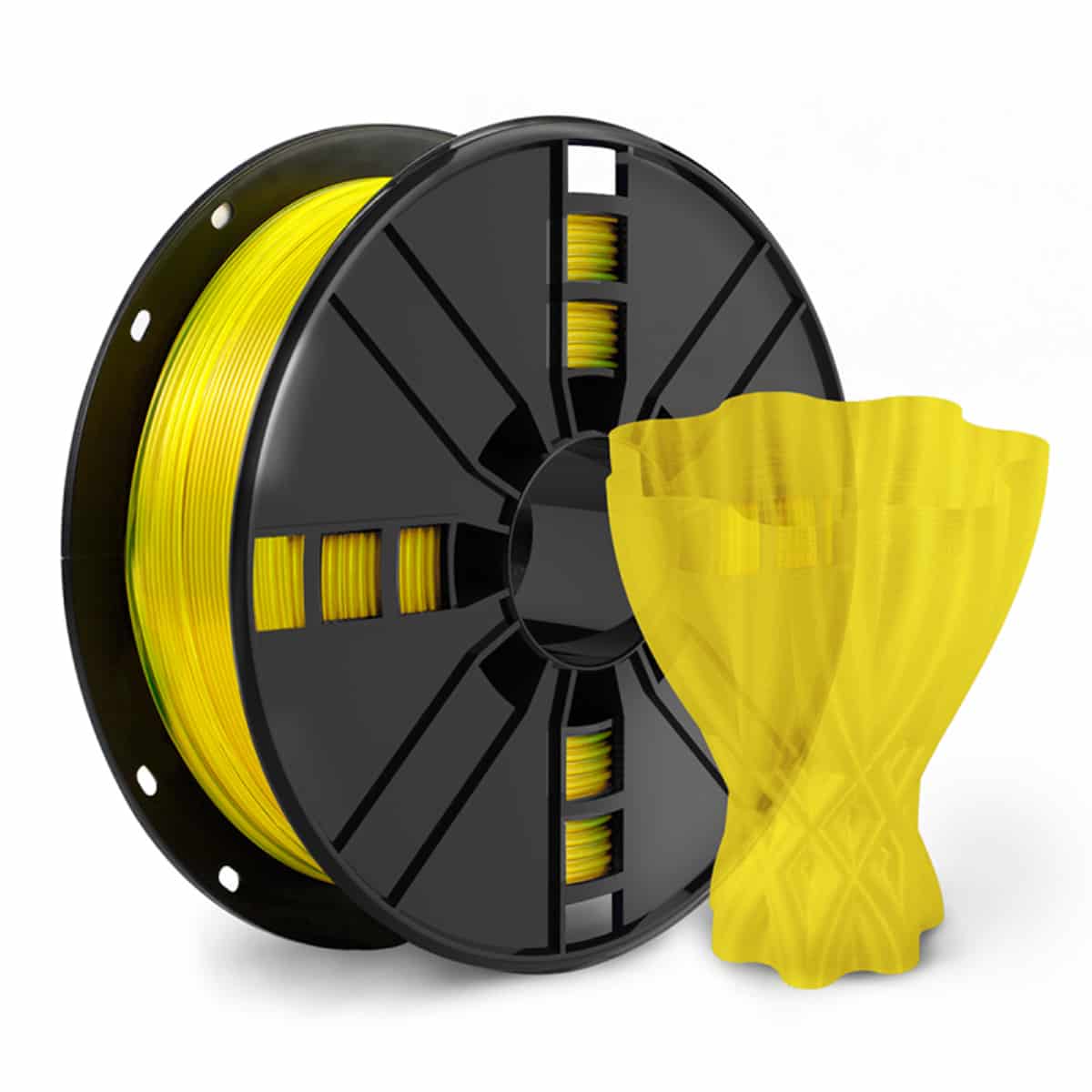
The Mechanics of Ergonomics: Why TPU is Transforming Tool Handle Design
From repetitive strain injury prevention to tailored tactile response, custom additive manufacturing redefines industrial shop floor ergonomics.
In modern industrial assembly lines, aerospace manufacturing, precision robotics, and surgical suites, the physical interface between the human operator and mechanical instrumentation is a critical determinant of throughput, precision, and operator longevity. Conventional manual tools have historically relied on generic, injection-molded rubber or rigid phenolic handles manufactured for an abstract "average" human hand. This standardized approach compromises anatomical variance, forcing technicians and operators to exert excessive pinch force, endure micro-vibrations, and maintain non-neutral wrist angles over prolonged work shifts.
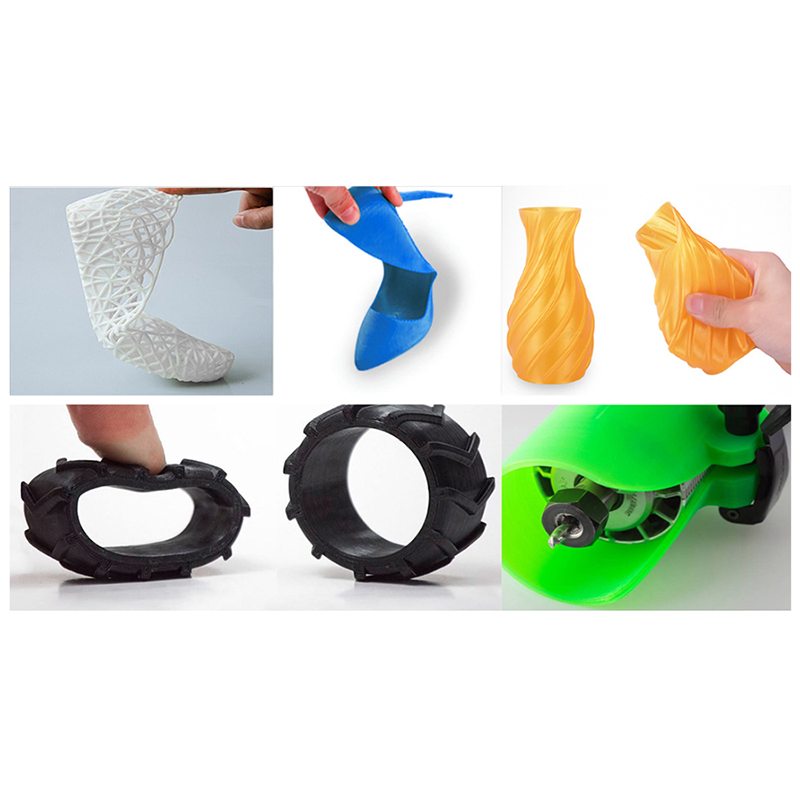
The advent of Thermoplastic Polyurethane (TPU) 3D printing has fundamentally disrupted this paradigm. By leveraging material elasticity, high tear strength, superior abrasion resistance, and layer-by-layer geometric freedom, industrial engineers can now manufacture personalized, biomechanically optimized tool sleeves, pneumatic handles, and robotic interfaces on demand. This convergence of computational anthropometry and elastomeric additive manufacturing bridges the gap between mass-produced hardware and bespoke human-centered engineering.
Damping & Vibration Attenuation
TPU exhibits viscoelastic damping properties that absorb high-frequency harmonics generated by impact wrenches, rotary grinders, and pneumatic riveters, mitigating Hand-Arm Vibration Syndrome (HAVS).
Custom Shore Hardness Tuning
By adjusting Shore hardness (from compliant 85A to rigid 95A) and calibrating internal gyroid infill densities, designers can create variable compliance zones across a single contiguous grip surface.
Tribological Friction & Oil Resistance
TPU structures resist aggressive industrial oils, hydrocarbons, and cutting fluids while maintaining high static friction coefficients, eliminating grip slippage even in greasy manufacturing environments.
Engineering Custom Grips: Shore Durometer vs. Structural Infill
Unlike standard rigid thermoplastics (such as PLA or ABS), 3D printed Thermoplastic Polyurethane operates as a block copolymer composed of alternating sequences of hard segments (isocyanates) and soft segments (polyols). In ergonomic tooling applications, the hard segments impart mechanical integrity, structural anchoring to the metal chassis, and exceptional tear resistance, while the soft segments deliver the elasticity, tactile softness, and energy dissipation required to relieve palm contact pressure.
Additive manufacturing unlocks an additional design variable: cellular metamaterial architectures. Rather than printing a solid elastomeric volume, additive tool designers can incorporate mathematical lattices such as Schoen Gyroid, Schwarz Diamond, or Kelvin foam topologies. By modulating the relative density of the lattice from the inner core (high density for rigid mechanical torque transfer) to the outer skin (low density for palm pressure distribution), a single-material print can emulate dual-injection molding with zero interfacial delamination risk.
| Mechanical Metric | Standard Injection Rubber | Torwell 3D Printed TPU (95A) |
|---|---|---|
| Tensile Strength | 12 - 20 MPa | 35 - 48 MPa |
| Elongation at Break | 250% - 400% | 450% - 600% |
| Abrasion Loss (DIN 53516) | 80 - 120 mm³ | < 35 mm³ (Ultra-Durable) |
| Geometry Customization | Tooling Dependent ($5k-$20k) | Zero Tooling / Infinite Variations |
| Lattice Infill Capability | Not Possible | Fully Programmable (Gyroid/Voronoi) |
| Lead Time per Iteration | 6 - 12 Weeks | 2 - 6 Hours |
Optical 3D surface scanning of an individual worker's hand during tool engagement allows engineers to construct a customized CAD wrap. Studies indicate that conformally matched TPU grips increase total palm contact area by up to 140%, decreasing localized peak pressure over the carpal tunnel and thenar eminence from 280 kPa down to under 95 kPa, effectively preventing chronic workplace Musculoskeletal Disorders (MSDs).
Where Custom TPU 3D Printed Grips Drive Measurable ROI
Across diverse sectors, bespoke elastomeric tooling solves complex ergonomic challenges, enhances workplace safety, and protects sensitive workpieces.
Automotive & Aerospace Assembly
High-torque cordless fastening tools equipped with bespoke TPU grips reduce wrist recoil shock during torque shut-off events. Custom textures prevent tool slippage when workers operate at elevated or awkward angles within aircraft fuselages and chassis bays.
Medical, Surgical & Orthopedic Devices
Surgeons frequently experience hand fatigue during long orthopedic sawing or laparoscopic procedures. Autoclavable, biocompatible TPU formulations enable tailored instrument handles that fit individual surgical hands, maximizing tactile control and cutting accuracy.
Robotic End-of-Arm Tooling (EOAT)
Collaborative robots (Cobots) handling fragile electronics, glassware, or polished cosmetic components utilize additive TPU vacuum cups and compliant finger grips to guarantee safe gripping forces without scratching delicate surface finishes.
Beyond these primary applications, custom TPU gripping solutions are rapidly proliferating in specialized sectors: heavy construction machinery joysticks, defense weapons systems requiring thermal barrier insulation against extreme arctic or desert conditions, precision electronics manufacturing requiring ESD-safe dissipative TPU sleeves, and rehabilitation orthoses customized for patients recovering from neuro-muscular trauma.
Optimizing FDM/FFF Process Parameters for TPU Tooling Grips
Achieving void-free layer fusion, isotropic shear resistance, and crisp tactile textures demands precise control over the extrusion environment.
Printing elastomeric materials like TPU presents distinctive rheological challenges compared to rigid polyesters or polyamides. Due to the high elasticity of the filament strand, standard Bowden extrusion setups are prone to buckling, buckling pressure drops, and irregular feed rates. For industrial-grade ergonomic grips, a direct-drive dual-gear extruder featuring a constrained filament path is mandatory.
Furthermore, TPU is inherently hygroscopic; moisture absorption occurs rapidly when exposed to ambient relative humidity above 40%. Extruding wet TPU leads to micro-bubble generation, severe stringing, and catastrophic inter-layer delamination under cyclic torque loads. Pre-print drying at 65°C for 4 to 6 hours and continuous feeding from active desiccant dry-boxes ensure 100% layer bonding strength, resulting in grips that withstand over 500,000 continuous compression cycles without cracking.
| Parameter | Recommended Specification for Grips | Engineering Rationale |
|---|---|---|
| Extruder Temperature | 220°C - 240°C | Maximizes polymer chain inter-diffusion across adjacent layers for isotropic shear strength. |
| Bed Temperature | 45°C - 60°C (PEI / Textured Glass) | Prevents corner warping while avoiding over-adhesion on flexible build plates. |
| Print Velocity | 20 - 45 mm/s | Maintains steady back-pressure and prevents elastomeric buckling in the melt zone. |
| Retraction Setting | 1.0 - 2.5 mm @ 20-30 mm/s (Direct Drive) | Eliminates oozing across non-print travel moves without flattening the flexible filament. |
| Perimeter Walls | 3 to 5 Perimeters (1.2mm - 2.0mm skin) | Ensures robust wear resistance against abrasive hand friction and chemical exposure. |
Torwell Technologies: Engineering the Future of Additive Materials
Global leadership in high-performance 3D printing filaments, advanced polymers, and certified manufacturing excellence.
Company Profile
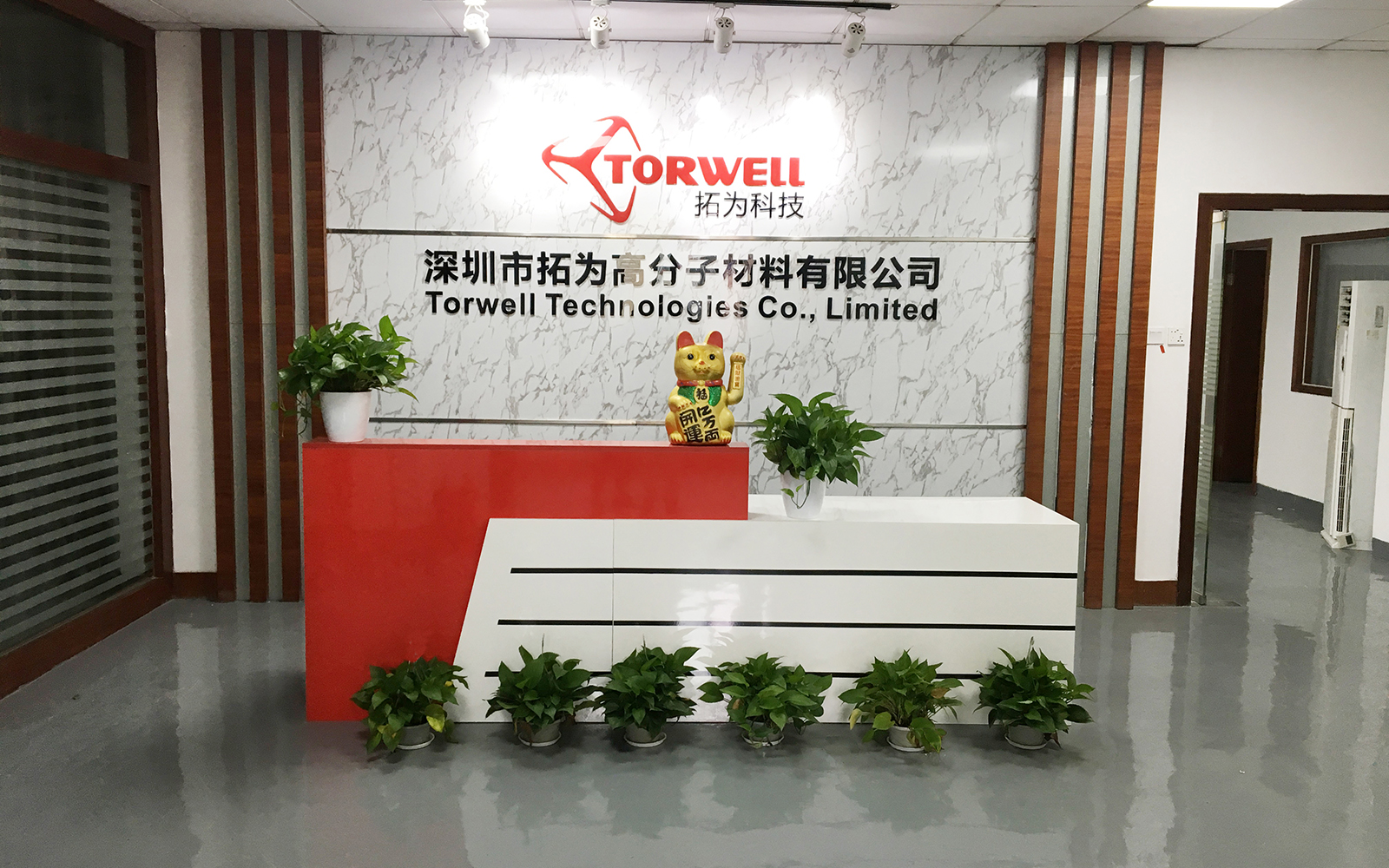
Founded in 2011, Torwell Technologies Co., Ltd. is one of the earliest high-tech enterprises which specializing in high – tech 3D printer filaments research, manufacture and sell, occupies 2,500 square meters modern factory with production capacity of 50,000kgs per month.
With more than 10years experiences in 3D printing market exploration, cooperated with Institute for High Technology and New Materials in domestic famous universities, and engaging Polymer materials experts as technical adviser, Torwell becomes one of member of Chinese rapid prototyping association and leader enterprise with the most innovative products in 3D printing industry, owns independent intellectual property rights, patents and trademarks(Torwell US, Torwell EU, NovaMaker US, NovaMaker EU).
Torwell passed international quality management system ISO9001, international environment system ISO14001, the advanced manufacturing equipment, test devices and virgin raw materials available are introduced to produce and distribute 3D printer filament of unparalleled quality, to insure all the products of Torwell are compliant with RoHS standard, MSDS, Reach, TUV and SGS test certificated.
Be a reliable and professional 3D printing partner, Torwell has committed to expanding its products to America, Canada, UK, Germany, Netherlands, France, Spain, Sweden, Italy, Russia, Mexico, Australia, New Zealand, Brazil, Argentina, Japan, South Korea, Vietnam, Thailand, Malaysia, India, more than 80 countries and regions.
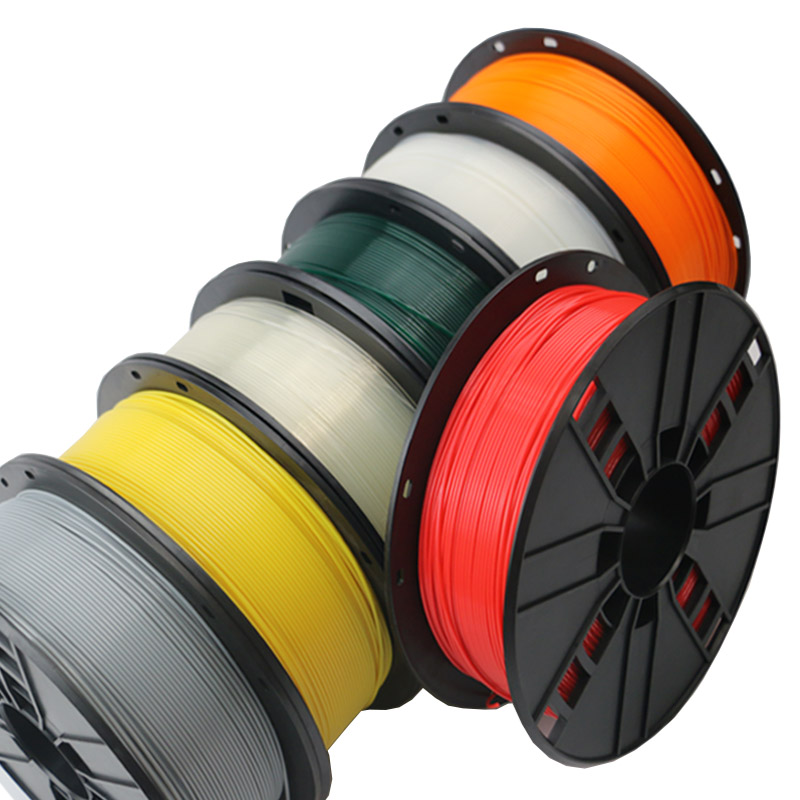
Complete Filament Solutions for Prototyping & Industrial Production
From ultra-flexible elastomers to rigid functional thermoplastics, browse our comprehensive line of precision manufacturing filaments.