High-Performance 3D Printing Materials
Explore our top-recommended engineering-grade and flexible filaments designed to meet rigorous industrial standards in Brazil's manufacturing sectors.
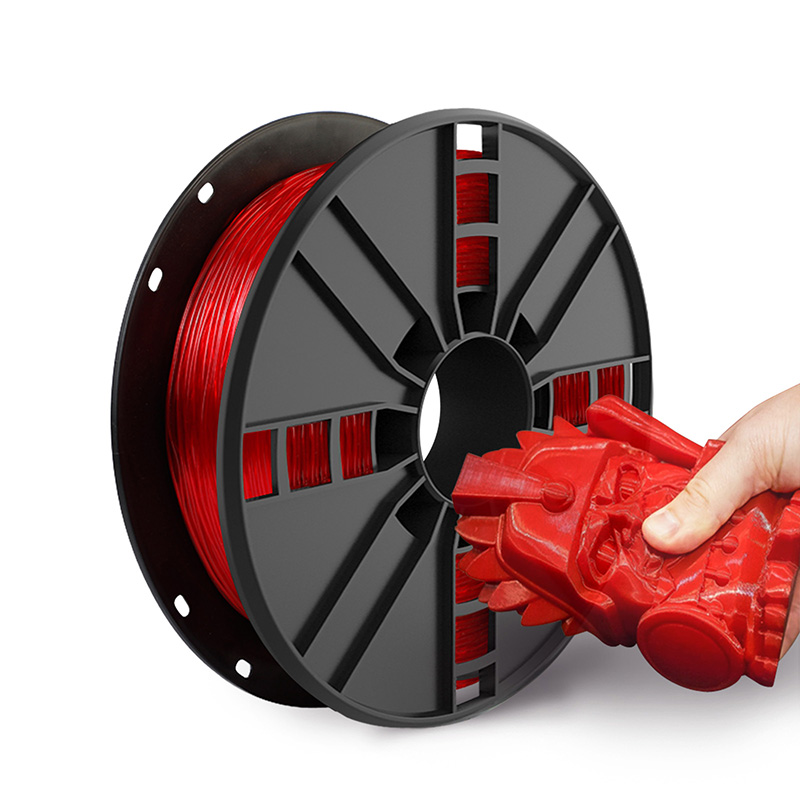
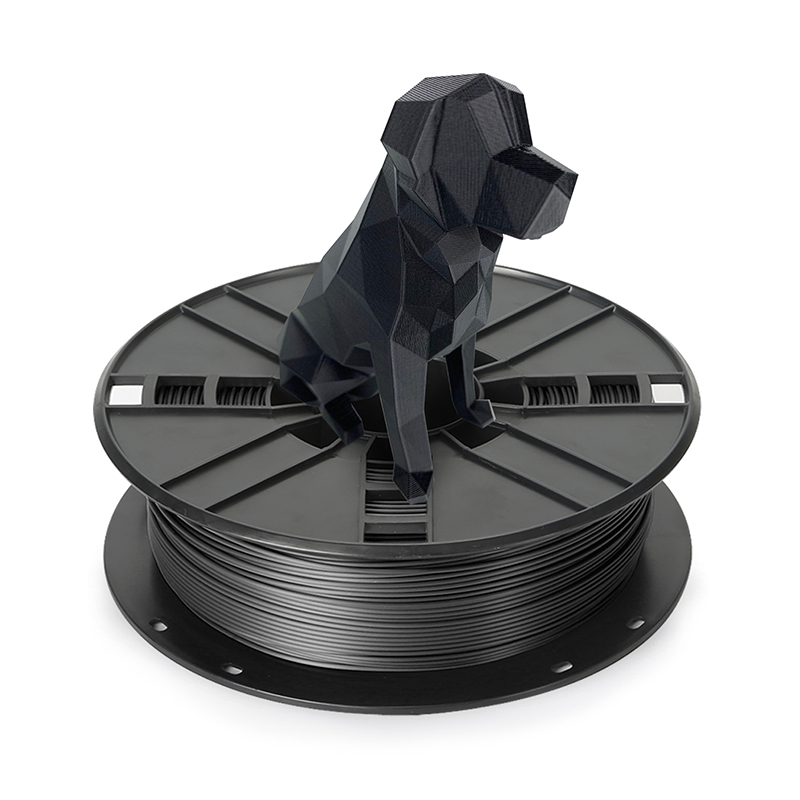
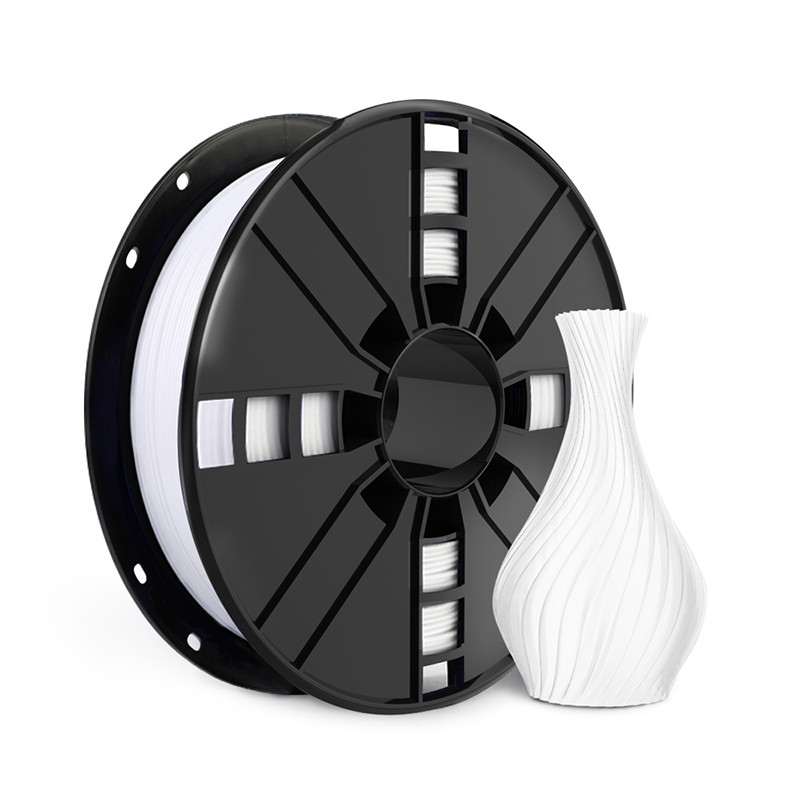
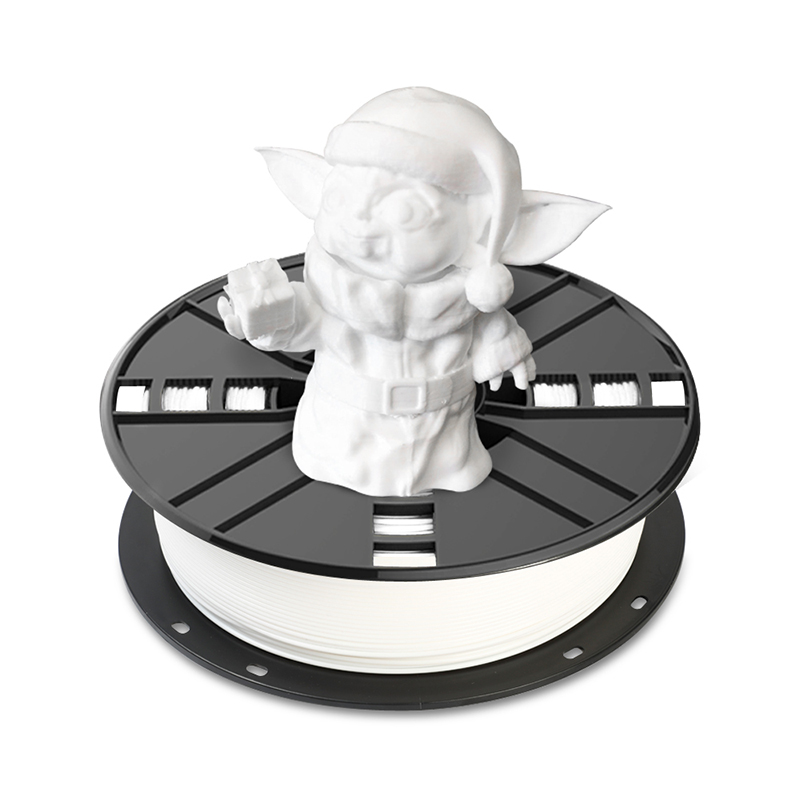
The Rise of TPU 3D Printing in Brazil's Industrial Ecosystem
Brazil is witnessing a massive transition towards Industry 4.0, with additive manufacturing acting as a key pillar of this transformation. Among various engineering polymers, Thermoplastic Polyurethane (TPU) has emerged as the go-to material for flexible, elastic, and high-impact applications. As a leading TPU material 3D printing supplier and factory, we are actively supporting Brazilian enterprises in bypassing traditional, costly tooling processes.
From the bustling automotive clusters in São Paulo and Paraná to the aerospace developments led by Embraer, local manufacturers require reliable raw materials that can withstand high mechanical stress. TPU materials combine the flexibility of rubber with the strength of thermoplastics, making them ideal for producing custom gaskets, shock absorbers, protective sleeves, and ergonomic tooling right on the factory floor.
Localized Application Scenarios in the Brazilian Market
- Automotive Assembly Lines: Producing customized, non-marring robotic grippers, seals, and flexible conduits for major assembly plants in ABC Paulista and Betim.
- Footwear and Fashion: Supporting southern Brazil's massive footwear hubs (such as Rio Grande do Sul) in prototyping and small-batch manufacturing of elastic shoe soles and midsoles.
- Agricultural Machinery: Developing weather-resistant, vibration-damping components for agricultural equipment utilized in Mato Grosso and across the Cerrado region.
- Medical & Orthotics: Delivering biocompatible-feel, customized orthopedic braces and flexible prosthetics for local healthcare clinics and research institutions.
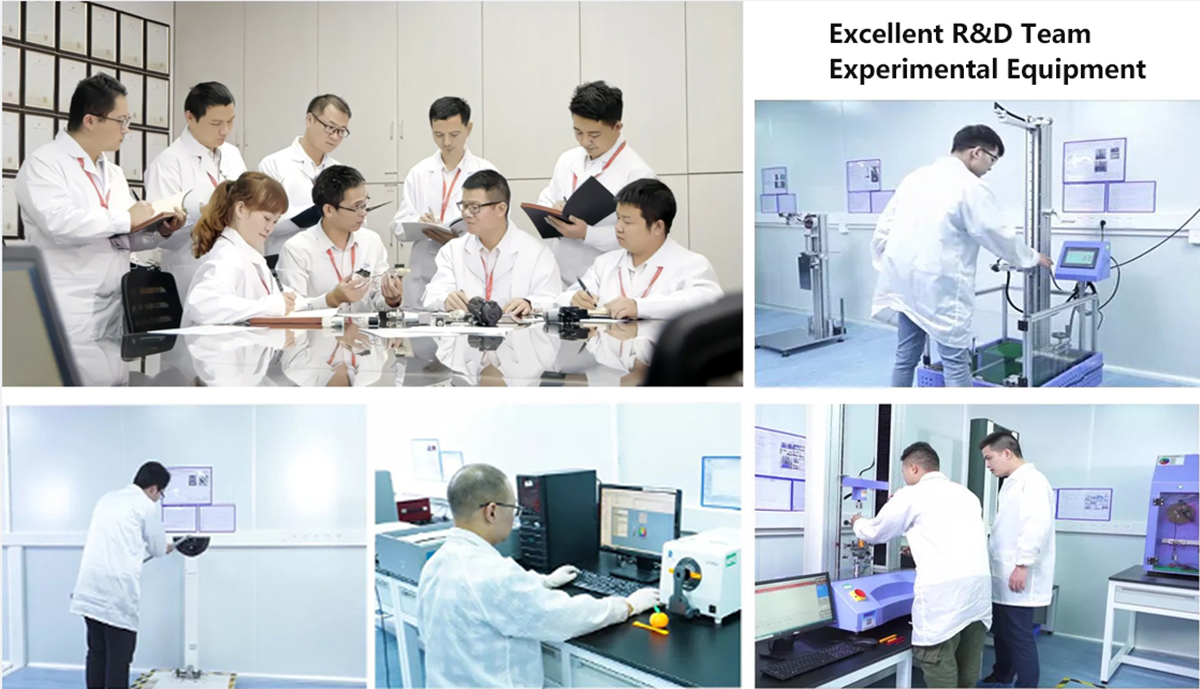
International Quality Control & ISO Certification
The factory area has passed ISO45001 occupational health and safety management system certification. Every new employee must experience one week of safety production knowledge teaching and two weeks of production skills training, mastering every course in the production process. Who is in the position will be responsible for its duty.
Our commitment to quality ensures that every spool of TPU and PLA filament shipped to Brazil exhibits consistent density, precise roundness, and flawless spool winding, eliminating print failures and maximizing uptime for industrial 3D printer fleets.
Premium Raw Materials for Unmatched Consistency
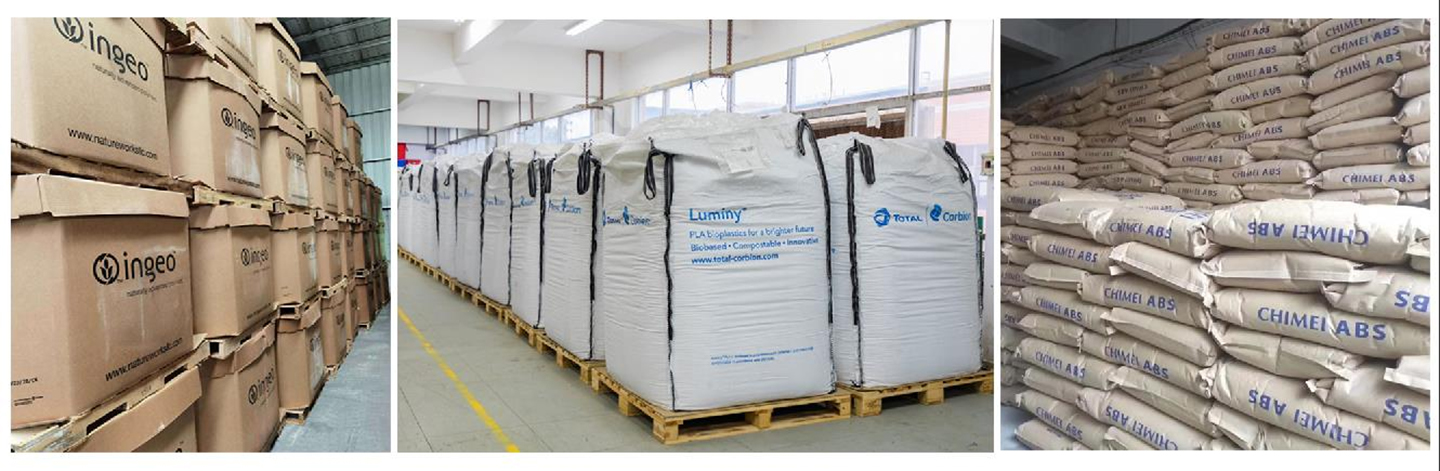
PLA is the most preferred material for 3D printing. Torwell firstly chooses PLA from US NatureWorks, and Total-Corbion is the alternative. ABS is sourced from Taiwan ChiMei, and PETG from South Korea SK. This meticulous selection extends to our advanced TPU compounds, ensuring optimal layer adhesion, high elasticity, and superior chemical resistance.
Each batch of main raw materials comes from partners who have cooperated with us for more than 5 years to ensure the reliability of the products from the source. Furthermore, each batch of raw materials undergoes parameters inspection before production to ensure that raw materials are original and virginal.
State-of-the-Art Extrusion Equipment & Tolerances
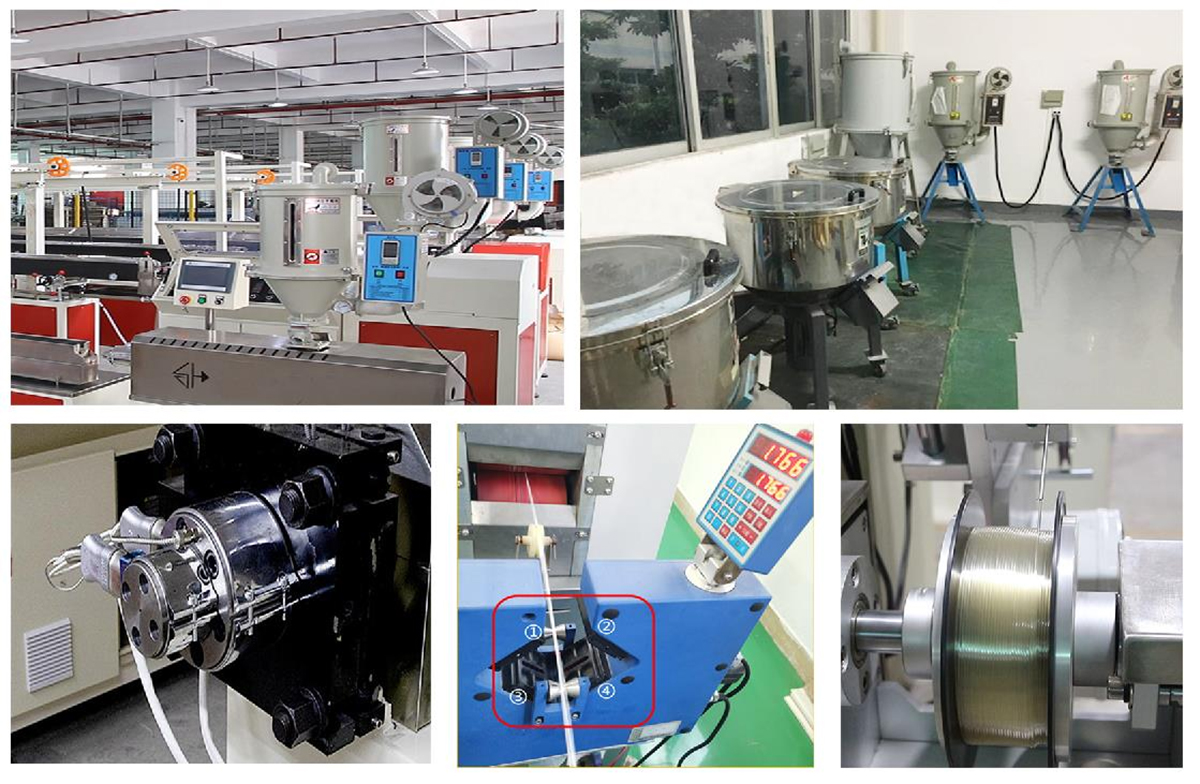
The manufacturing workshop makes arrangements immediately after the strict inspection of raw materials. At least two engineers cross-check the clearance of the mixing tank, color mixing of materials, humidity levels from the hopper dryer, temperature of the extruder, hot/cool tanks, and trial-produce/debug the production line to make sure all processes are in the best condition.
Through this highly controlled setup, we successfully maintain a strict filament Diameter tolerance of +/- 0.02mm and a Roundness tolerance of +/- 0.02mm. This ultra-tight tolerance is vital for flexible filaments like TPU, which are prone to feeding issues in Bowden or Direct Drive extruders if the diameter varies.
Rigorous Final Inspection & Vacuum Packaging
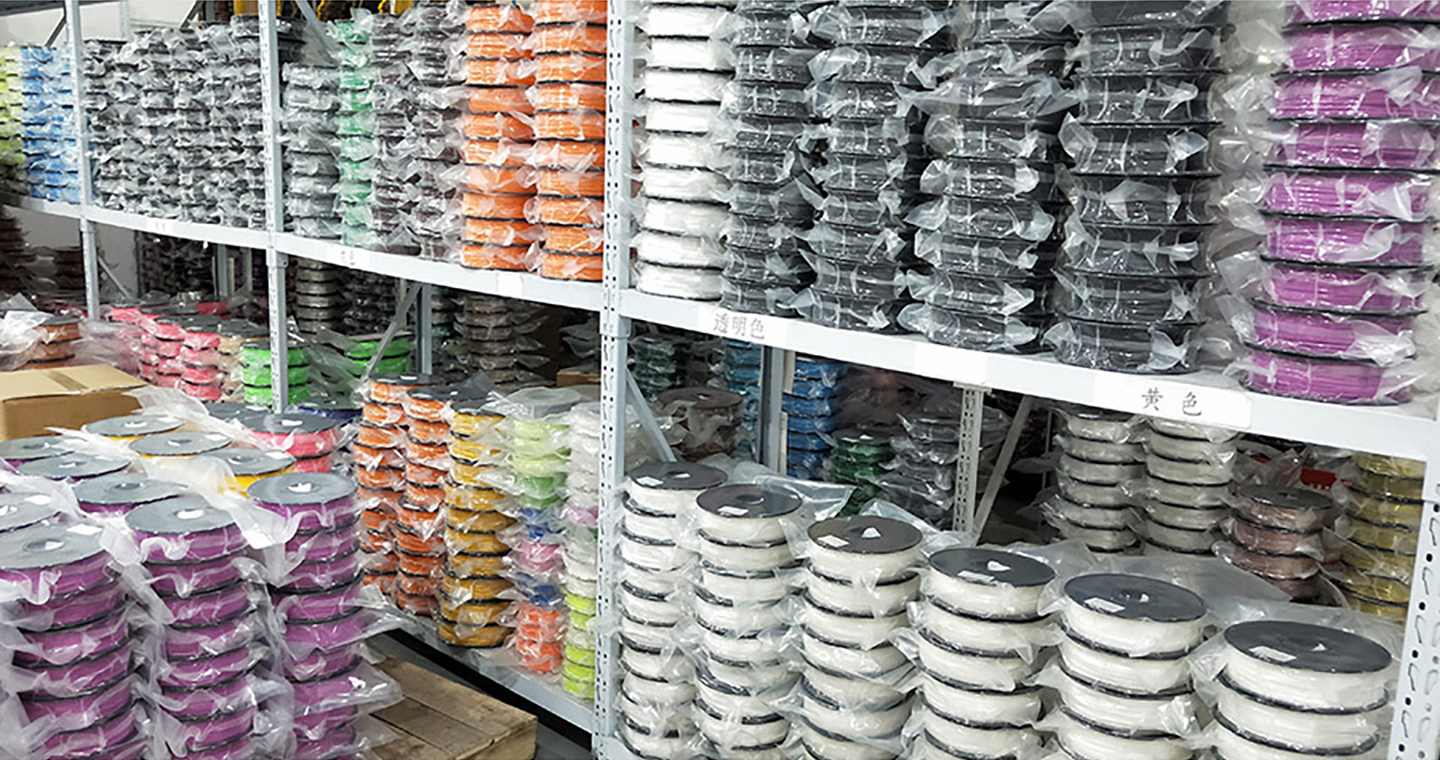
After each batch of 3D filament is produced, two quality inspectors conduct random inspections on each batch of finished products in accordance with standard requirements. These tests verify diameter tolerance, color consistency, tensile strength, and material toughness.
After vacuuming the package with desiccants, we store the spools for 24 hours to monitor for any leaking packages. Only after passing this final stage is the product labeled and securely packaged for international shipment to our distributors and clients throughout Brazil.
The Future of Flexible Additive Manufacturing in Brazil
As the regional market matures, several key trends are shaping the adoption of TPU and flexible 3D printing polymers across South America.
High-Speed TPU Printing
Newer generations of 3D printers in Brazil support high-speed extrusion. Our TPU filaments are optimized for stable flow behavior, reducing clogging even at elevated print speeds.
Eco-Friendly Formulations
With Brazil's strong emphasis on bio-sustainability, there is a growing demand for bio-based or recyclable TPU compounds. We are actively researching green alternatives to align with global environmental policies.
Chemical & UV Resistance
Industrial components in Brazil's agricultural and coastal maritime sectors face harsh UV exposure and chemical contact. Our TPU is formulated to resist oil, grease, and environmental degradation.
Direct Factory Supply
By establishing direct supply chains from our factory to Brazilian businesses, we help local companies bypass intermediaries, saving up to 30% in procurement costs while securing reliable bulk stock.
Explore Our Full Range of 3D Printing Filaments
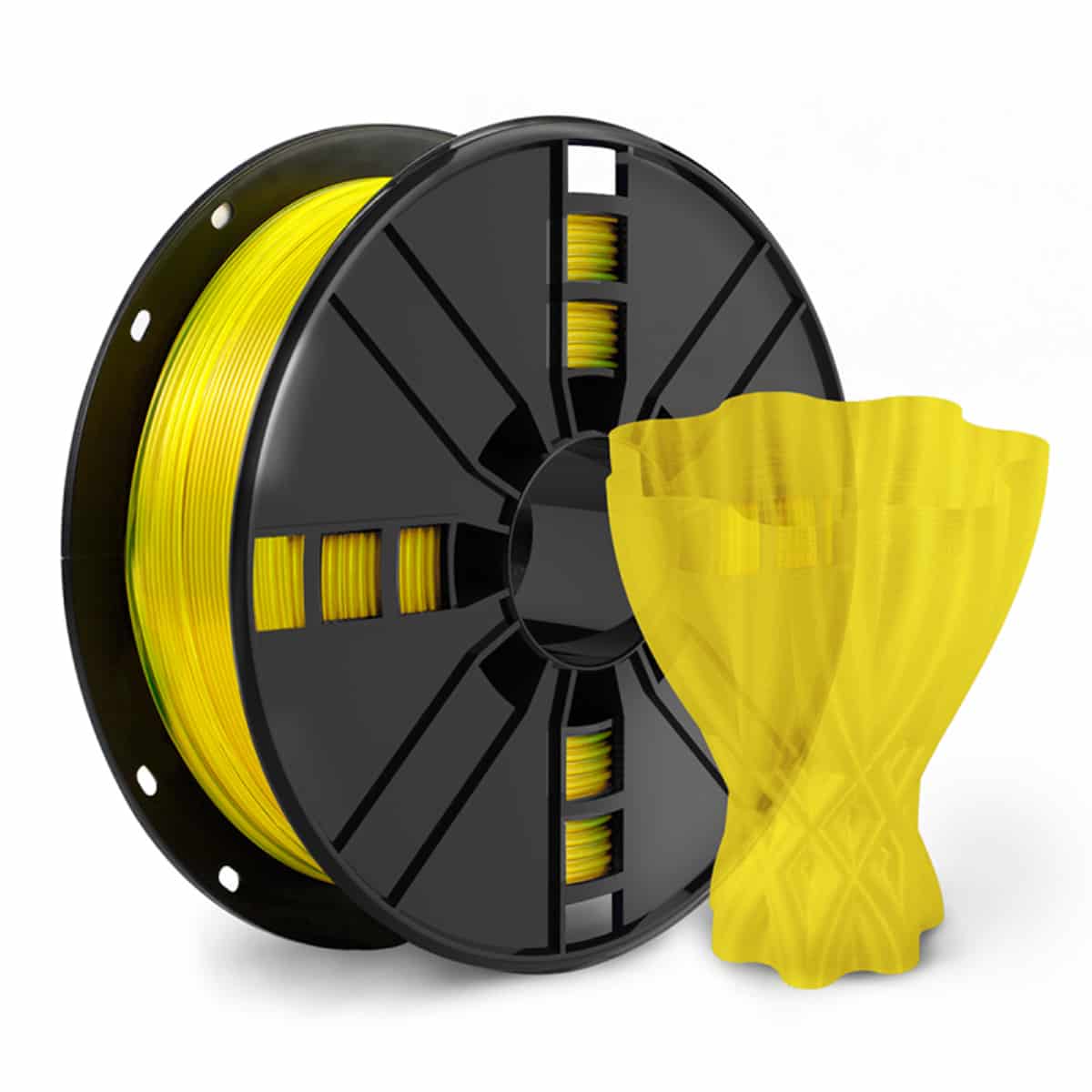
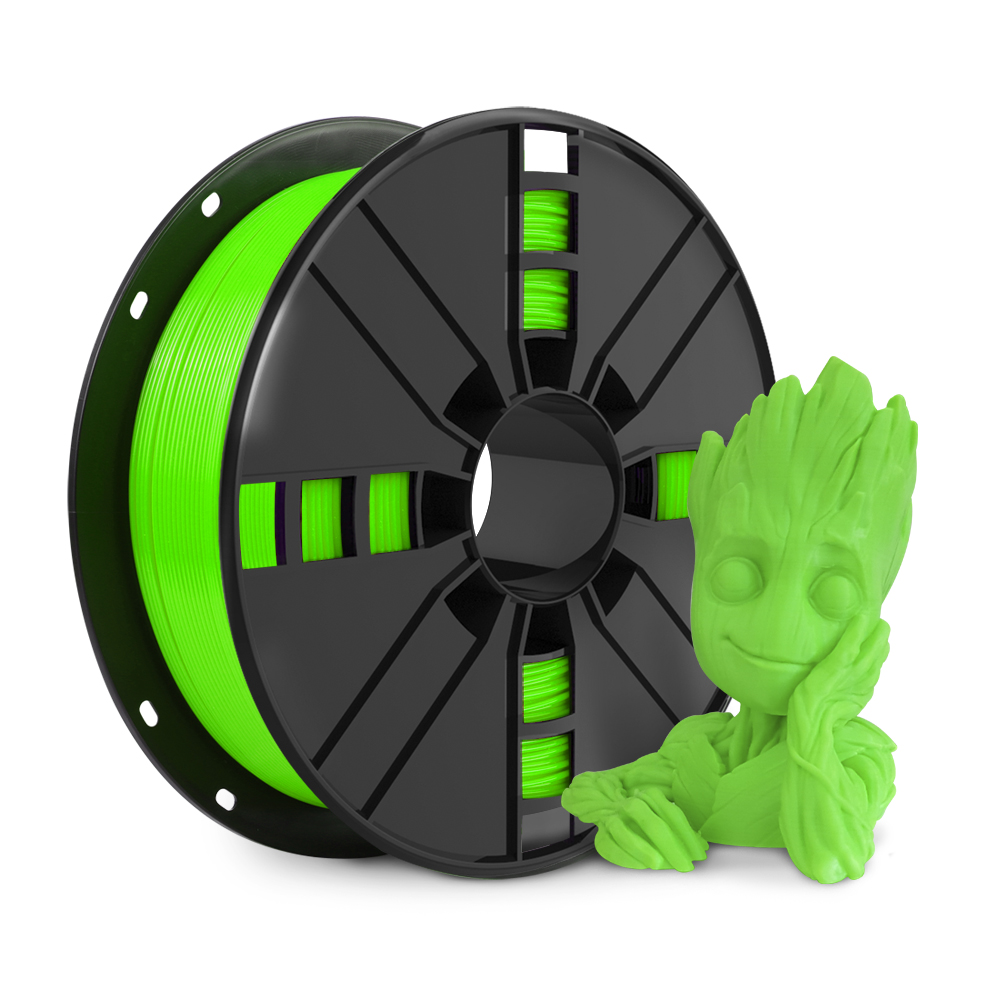
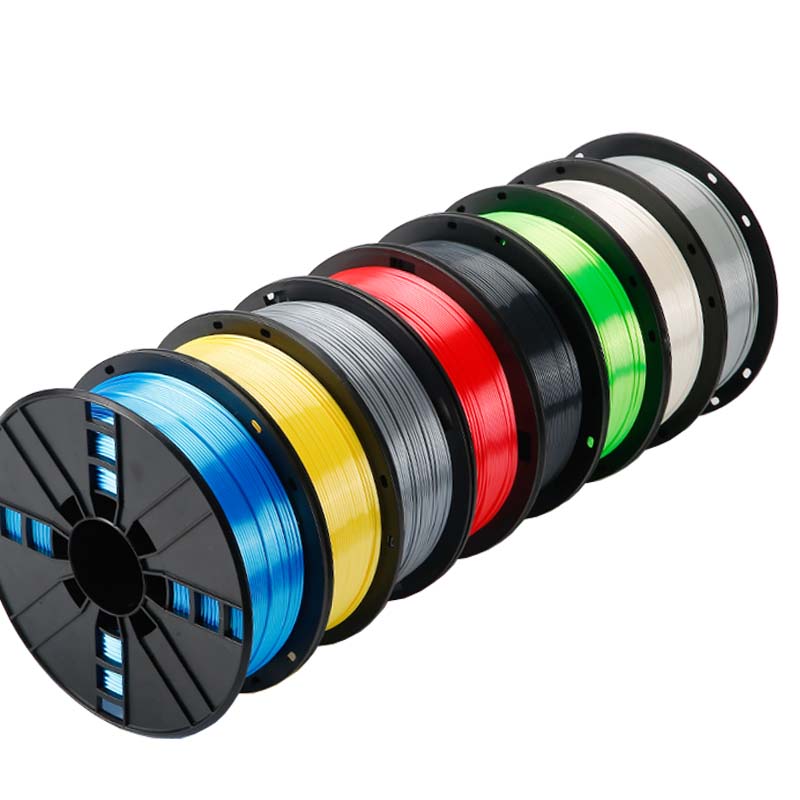
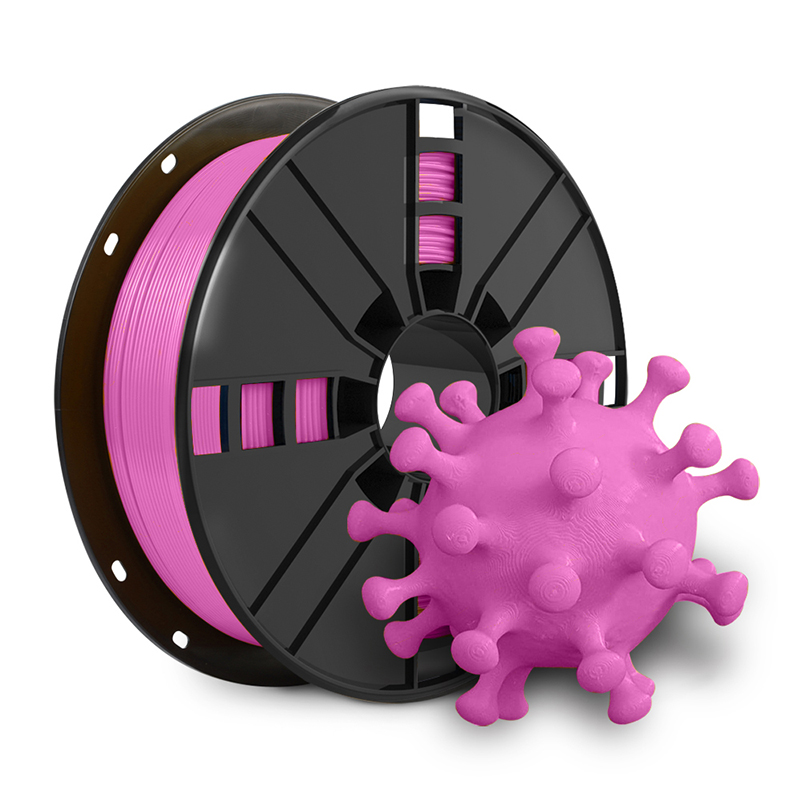
From ultra-flexible TPU to high-strength PETG and aesthetic Silk PLA, we provide a comprehensive range of materials for every 3D printing application.