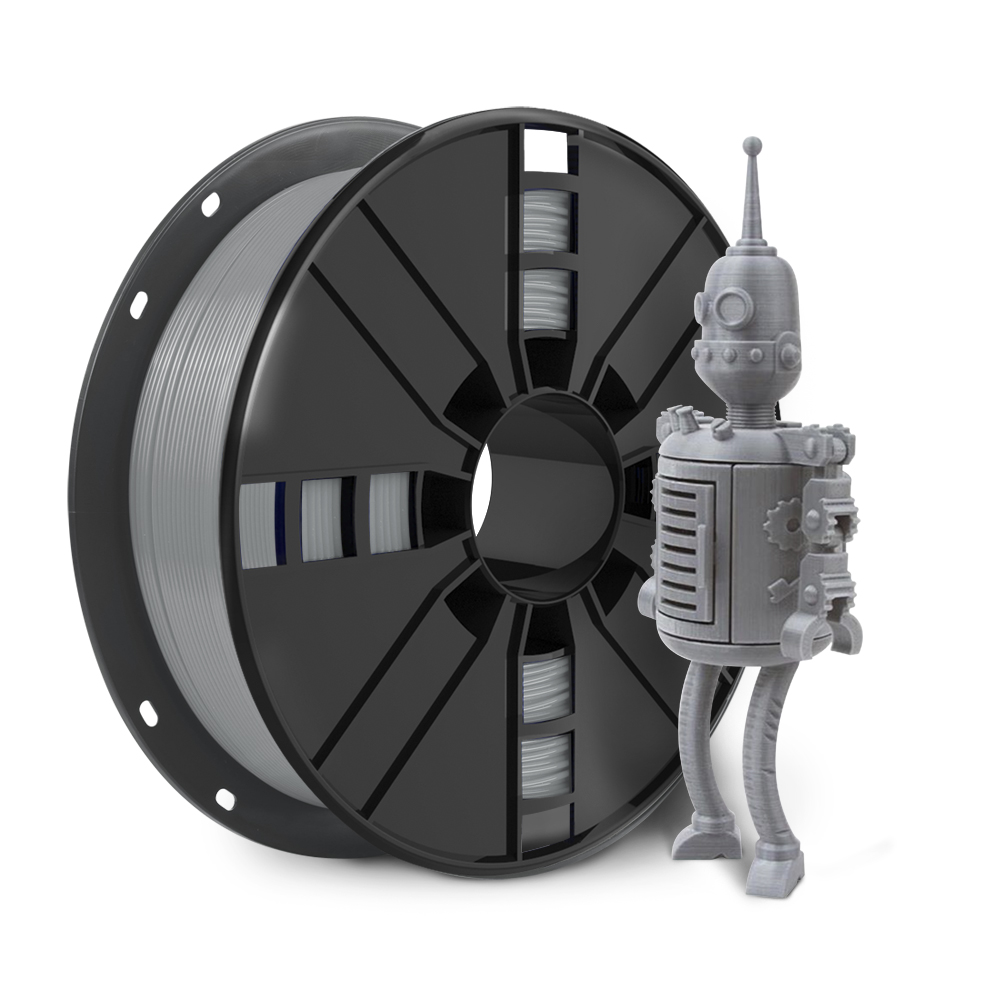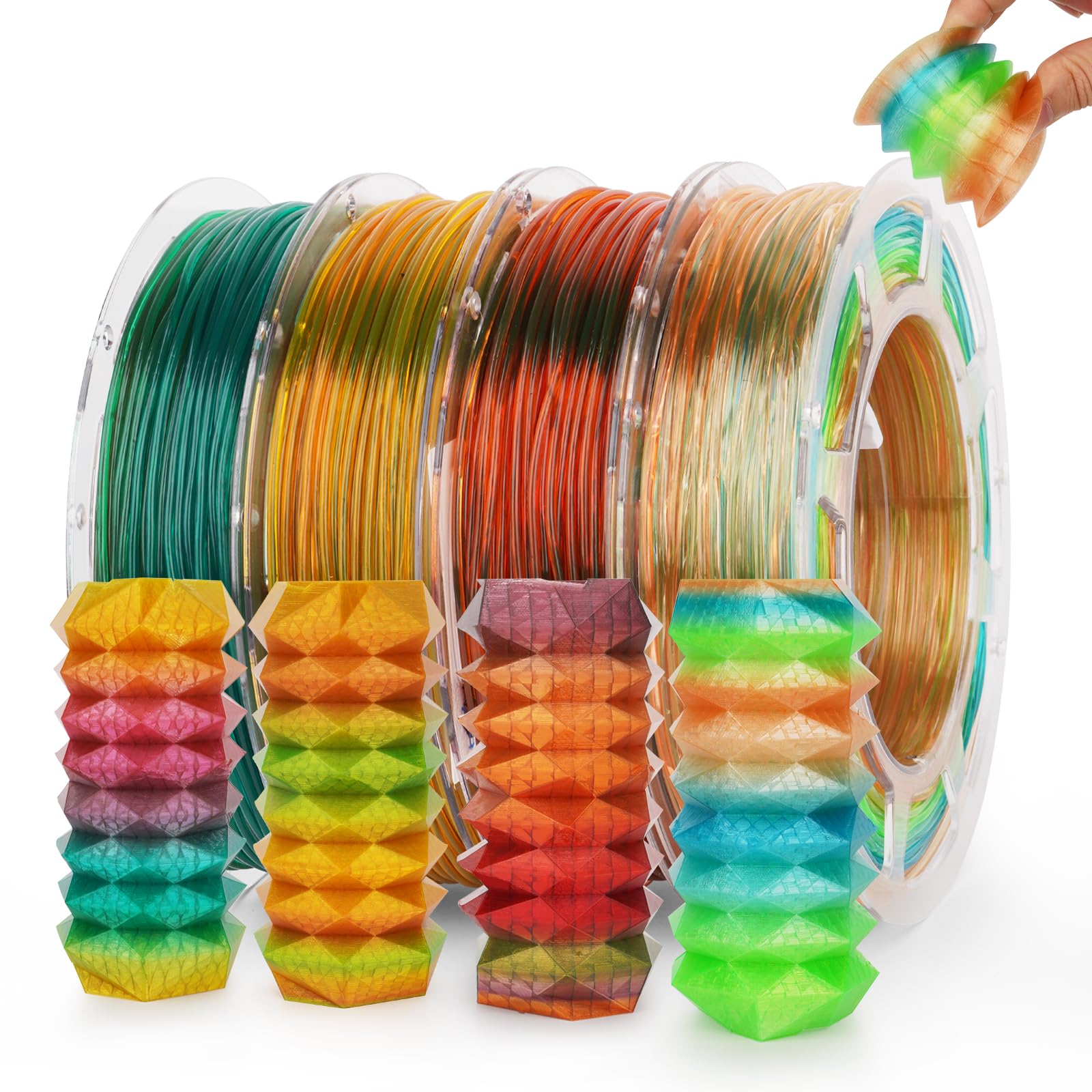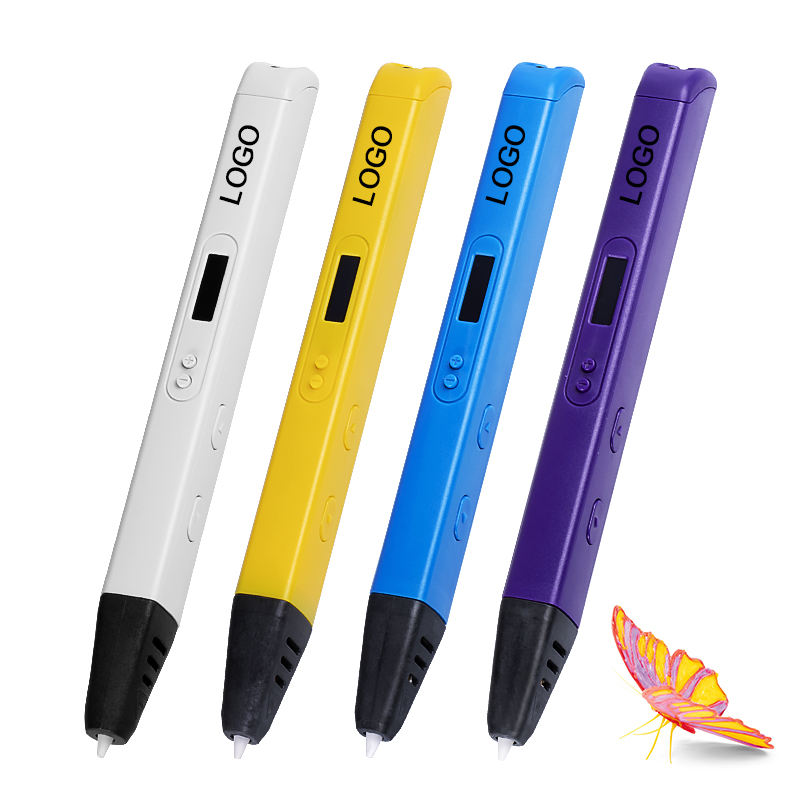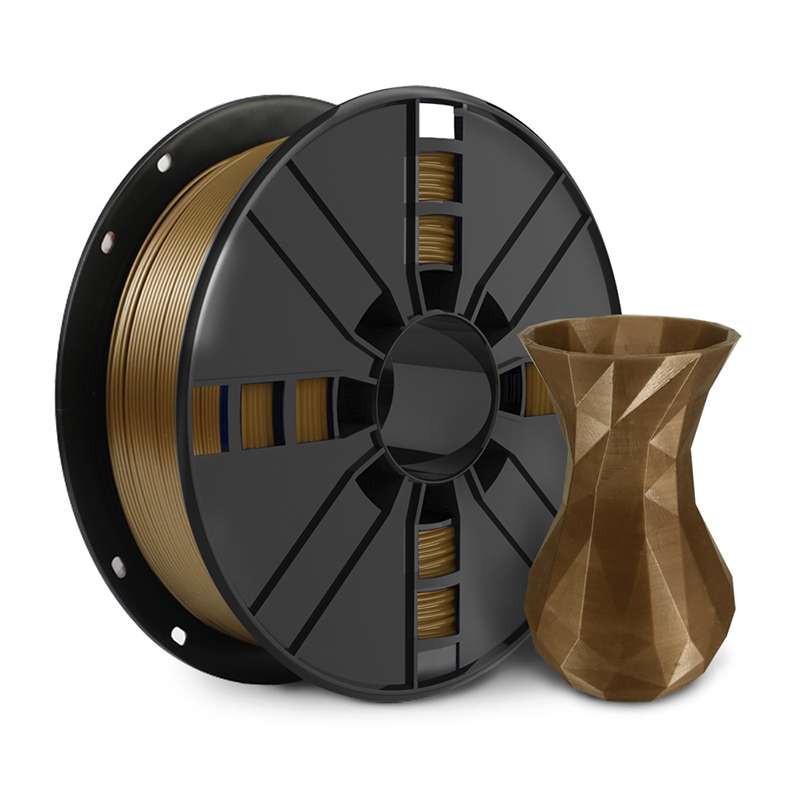
Featured Engineering 3D Printing Filaments
Discover our highly precise, industrial-ready filaments designed to meet the rigorous demands of Japanese technical developers and prototyping facilities.
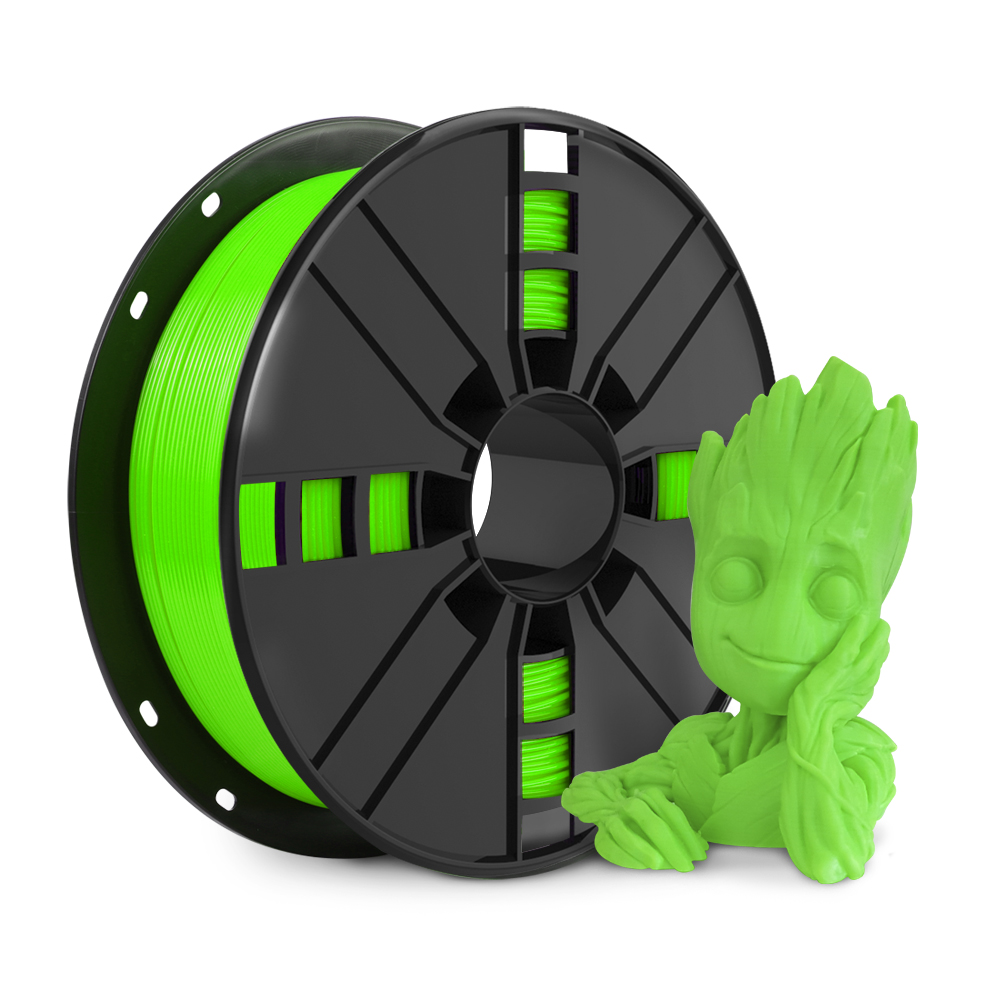
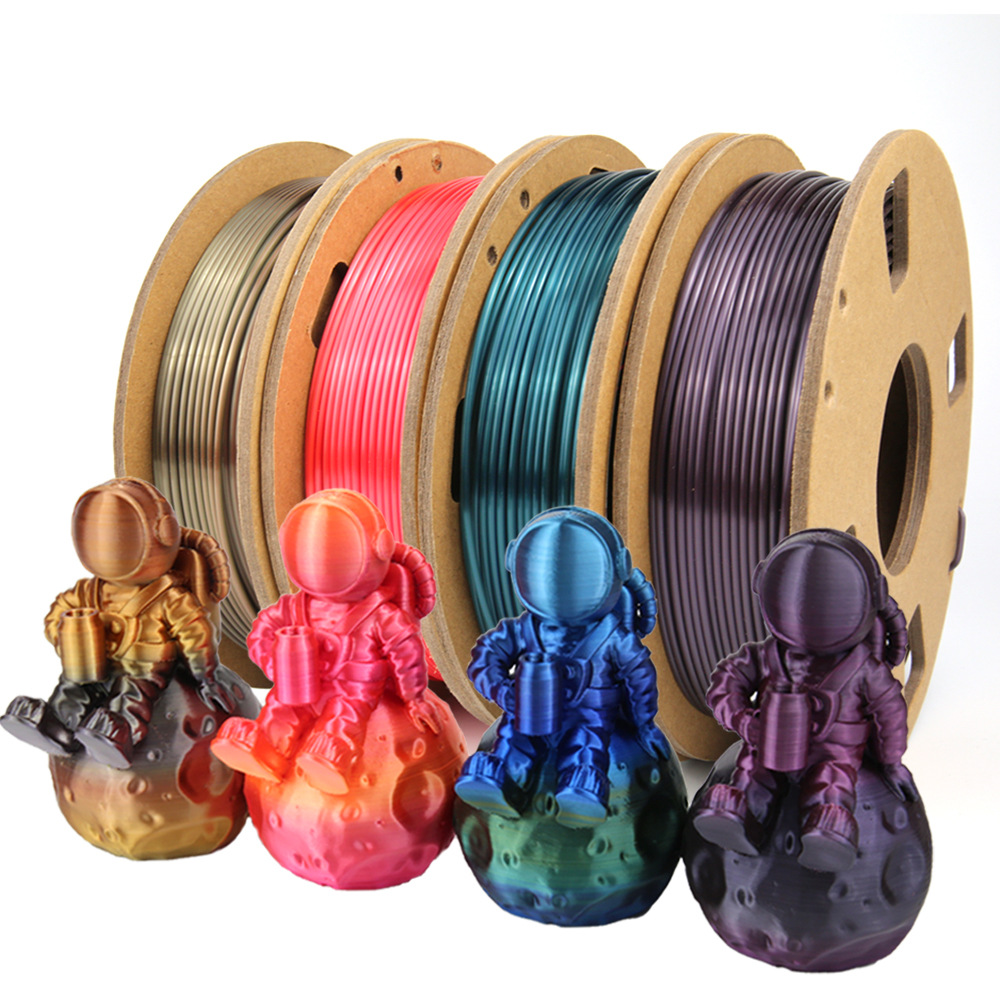
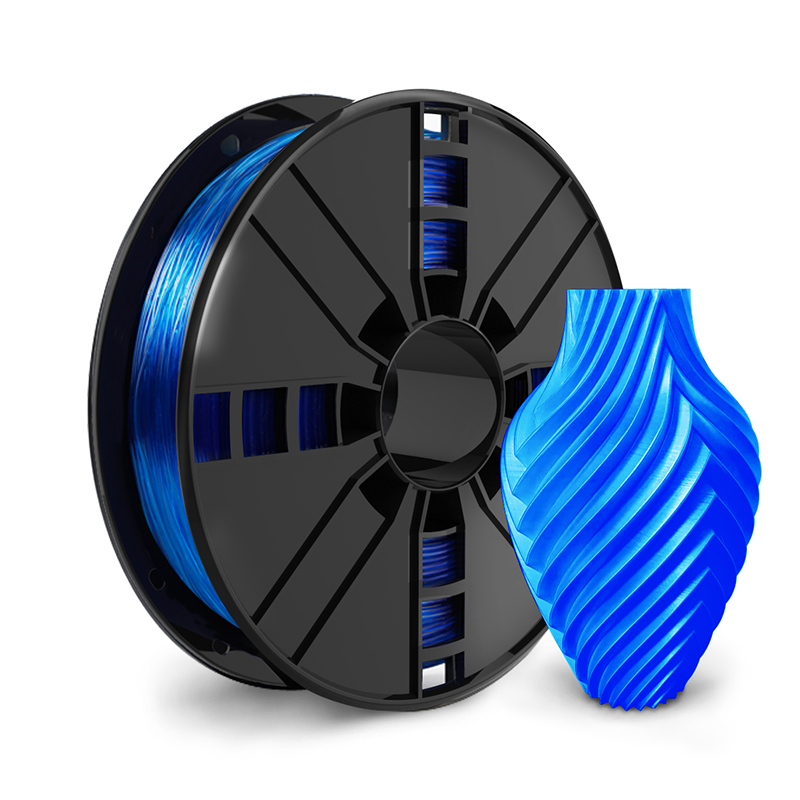
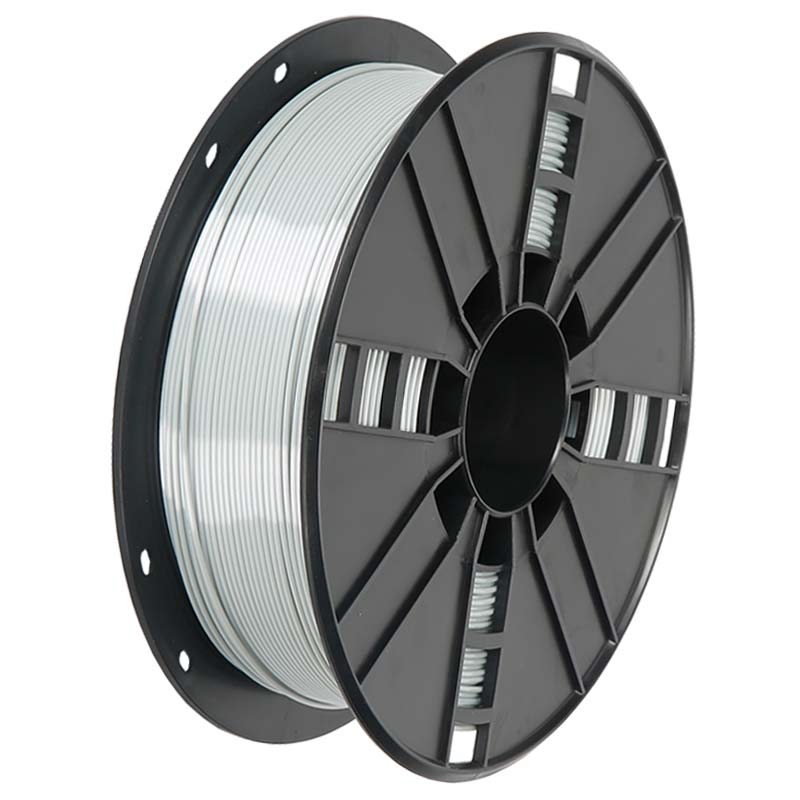
The Rise of TPU Material 3D Printing in Japan's Industrial Landscape
Japan's manufacturing sector, globally renowned for its philosophy of "Monozukuri" (precision craftsmanship), is rapidly shifting from rigid, subtractive manufacturing to highly agile, additive technologies. Among the advanced engineering materials driving this transformation, TPU (Thermoplastic Polyurethane) stands out as a critical element. TPU's unique combination of rubber-like elasticity, high tear strength, and chemical resistance makes it indispensable in modern Japanese factory automation, robotics, and automotive design.
In industrial hubs like Tokyo, Kanagawa, Aichi, and Osaka, engineers rely heavily on flexible elastomers to develop next-generation functional prototypes and end-use parts. As a leading TPU material 3D printing supplier and factory, we bridge the gap between material science and high-volume production, supplying Japanese enterprises with highly reliable filaments that ensure flawless extrusion and repeatable performance.
Japan Industrial Quality
Our TPU formulations are optimized for Japanese high-precision industrial standards, guaranteeing exceptional layer adhesion and zero clogging.
Localized Application Scenarios of TPU 3D Printing in Japan
How Japanese industries utilize TPU materials to solve complex engineering challenges and accelerate development timelines.
Automotive Prototyping & Parts
Major automotive giants in Aichi and Shizuoka prefectures utilize Shore 95A TPU to print functional gaskets, flexible ducting, protective boots, and vibration dampers. TPU's resistance to oils and grease makes it ideal for under-the-hood testing.
Robotics & Factory Automation
Japanese robotics companies are world leaders. TPU is extensively used to print customized soft robotic grippers, end-of-arm tooling (EOAT), and flexible joint guards that prevent dust contamination in high-speed assembly environments.
Consumer Wearables & Footwear
In Tokyo's design studios, TPU is the go-to material for wearable tech casings, impact-resistant phone bumpers, and custom shoe midsoles, providing tailored shock absorption and ergonomic structures.
Custom Tooling & Jigs
On the assembly line, rigid parts can scratch delicate electronics or painted finishes. Japanese factories print non-marring TPU fixture covers, holding pads, and custom ergonomic hand-tool grips.
Medical & Assistive Devices
With Japan's rapidly aging population, custom orthotics, prosthetics, and soft medical braces are increasingly printed with TPU, offering patient-specific comfort and flexible structural support.
Seals & Fluid Management
Custom chemical and liquid handling equipment in Japanese process industries rely on printed TPU seals, O-rings, and flexible coupling membranes that withstand constant dynamic loading.
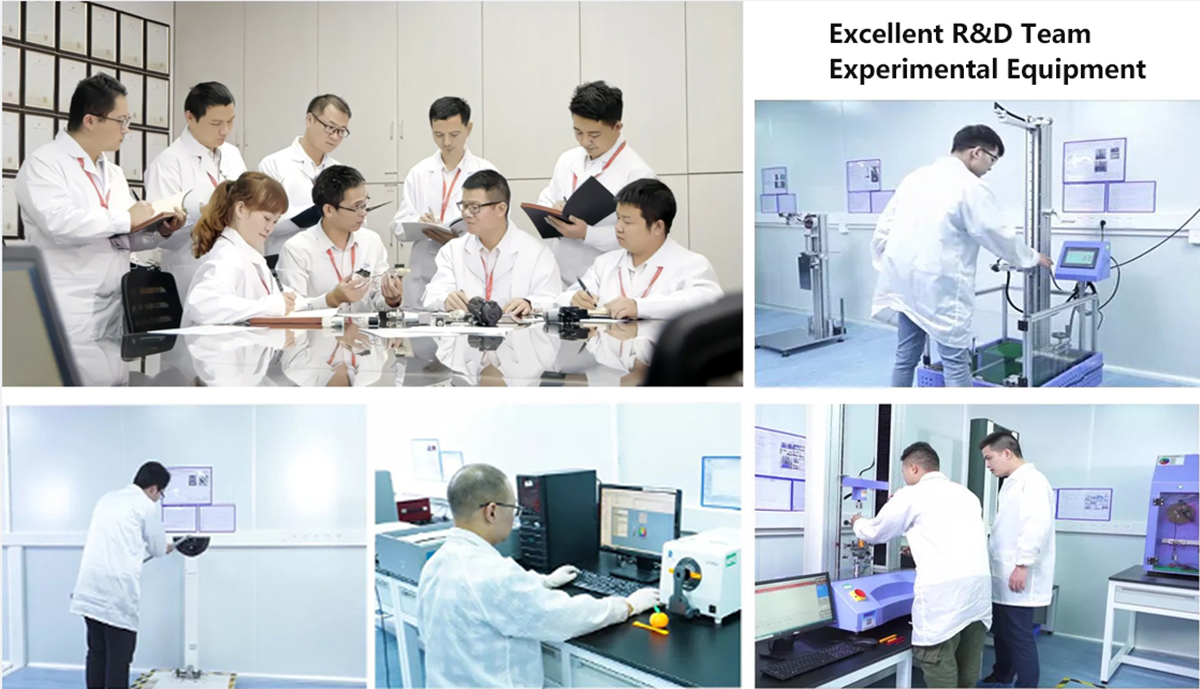
Quality Control
The factory area has passed ISO45001 occupational health and safety management system certification. Every new employee must be experienced one week of safety production knowledge teaching and two weeks of produce skills training, and master every course in the production process. Who is in the position will be responsible for its duty.
Our rigorous training and organizational structure ensure that every spool of TPU and PLA filament produced in our facility meets the absolute highest standards of quality, reliability, and safety, providing peace of mind to our Japanese partners who demand nothing less than perfection.
Raw Material
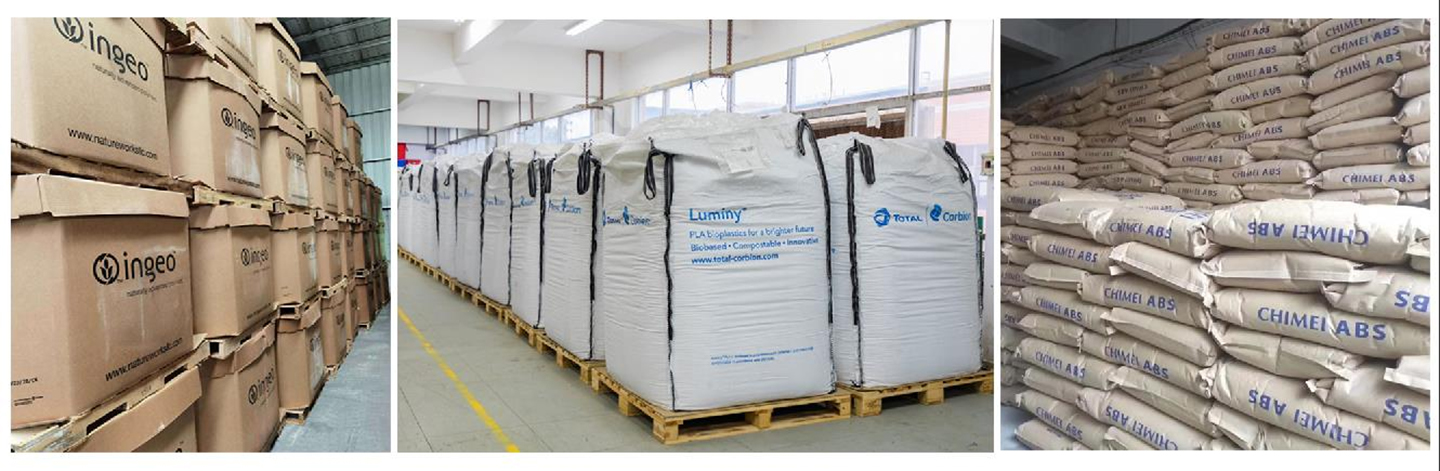
PLA is the most preferred material for 3D printing, Torwell firstly chooses PLA from US NatureWorks, and Total-Corbion is the alternative. ABS from TaiWan ChiMei, PETG from South Korea SK. Each batch of main raw materials comes from the partners who has cooperated more than 5 years to ensure the reliability of the products from the source. Each batch of raw materials will undergo parameters inspection before produce to ensure that raw materials are original and virginal.
By carefully selecting and vetting our raw material suppliers, we guarantee that our TPU and other polymer blends maintain incredible batch-to-batch consistency, minimizing print failures and calibration times for our industrial clients.
Equipment
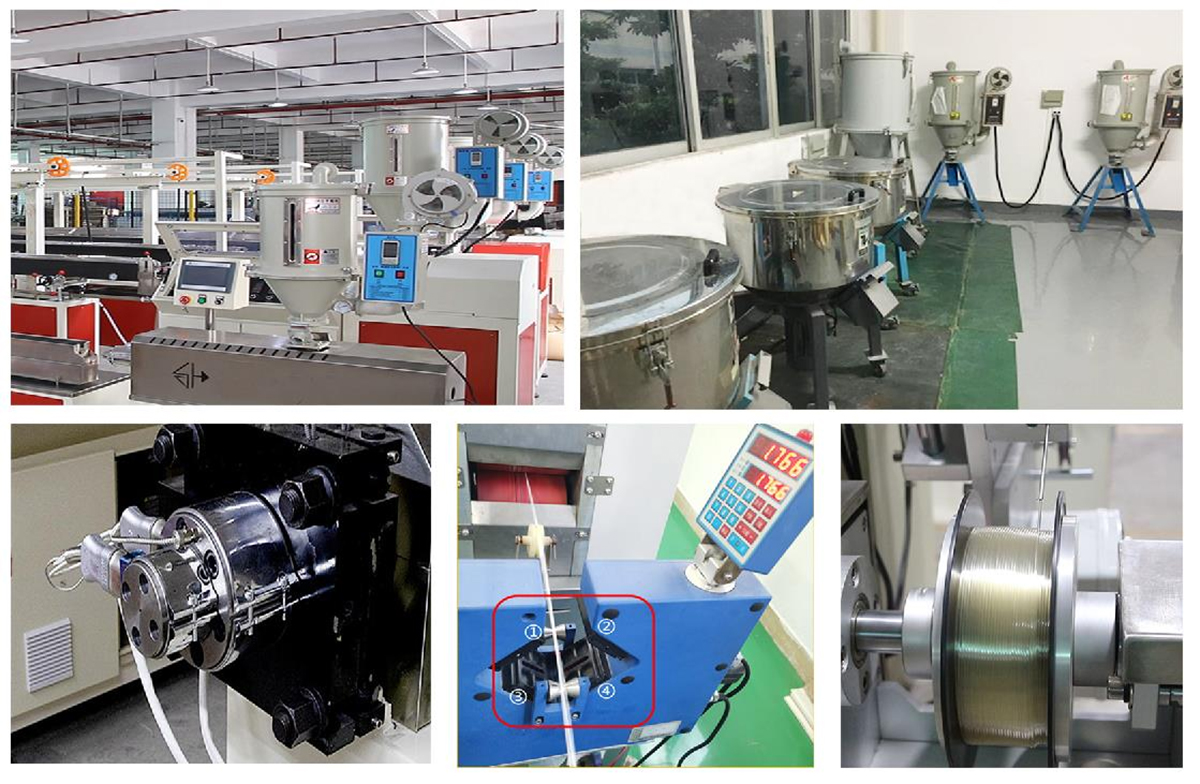
The manufacturing workshop will make arrangements after the inspection of raw materials, at least two engineers cross-check the clearance of mixing tank, color mixed of material, humidity from hopper dryer, temperature of extruder, hot/cool tank, and trial-produce and debugging the produce line to make sure all of processes in the best condition. Maintain the filament Diameter tolerance +/- 0.02mm, Roundness tolerance +/- 0.02mm.
Our state-of-the-art extrusion machinery and real-time laser monitoring systems ensure that every millimeter of filament maintains an ultra-precise diameter, preventing under-extrusion or nozzle jams even during long, complex 3D printing cycles.
Final Inspection
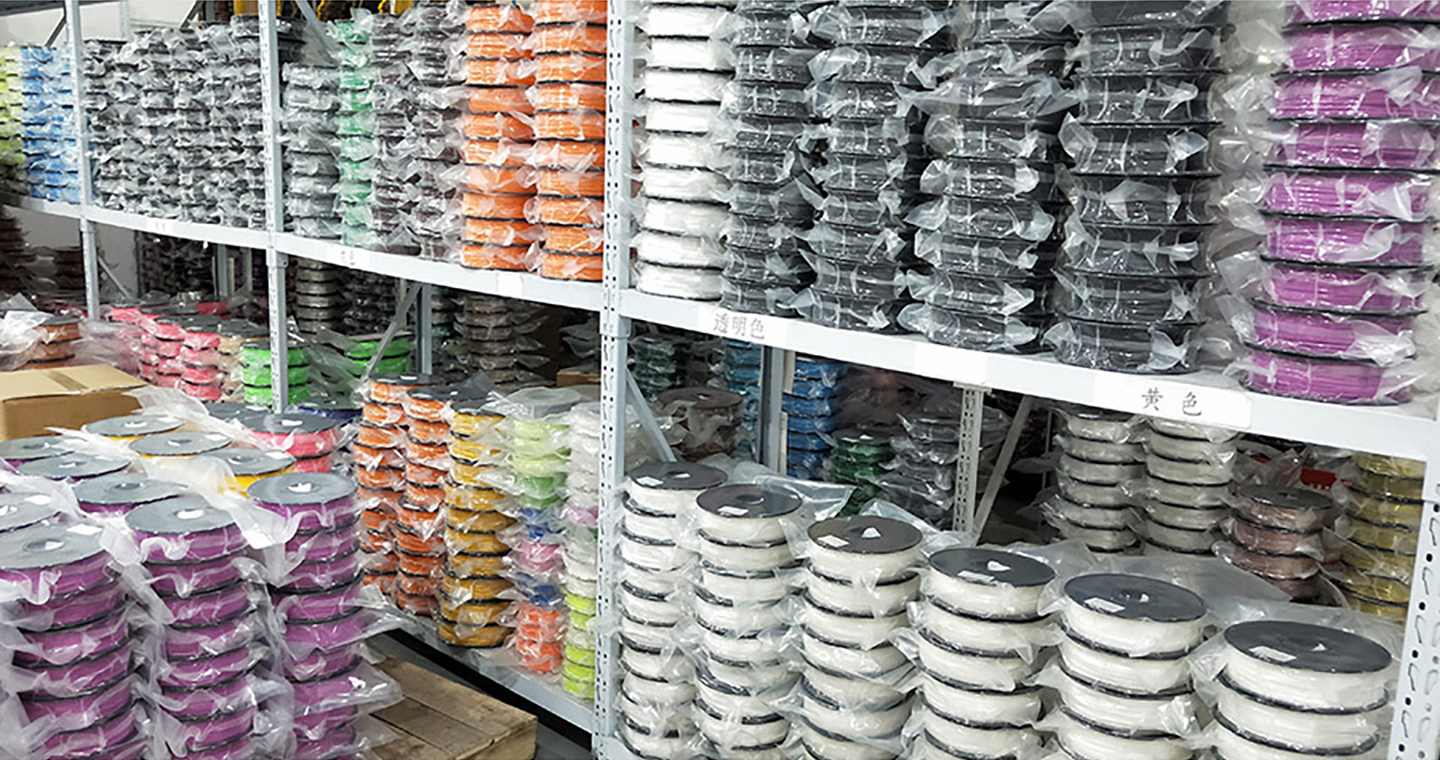
After each batch of 3D filament is produced, two quality inspectors will conduct random inspections on each batch of finished products in accordance with the requirements of the standard, such as diameter tolerance, color consistency, strength and toughness and so on. After vacuuming the package, place them for 24 hours to check whether there is any leaking package, then label it and finish the package.
Our exhaustive post-production inspection ensures that only flawless spools are packed and shipped, arriving at your facility ready to print with zero moisture contamination or winding issues.
Key Trends Driving the TPU 3D Printing Market in Japan
Staying ahead of technological shifts in the Japanese and global additive manufacturing ecosystems.
High-Speed Extrusion Optimization
With the rise of high-speed CoreXY 3D printers in Japanese laboratories, there is a surging demand for TPU materials that can melt and solidify rapidly without losing interlayer adhesion or causing filament buckling inside direct-drive systems.
Eco-Friendly & Bio-Based TPUs
Aligned with Japan's "Green Growth Strategy," manufacturers are actively seeking sustainable material choices. The development of bio-derived elastomers that minimize carbon footprints while maintaining mechanical strength is a critical focus.
Multi-Material Integration
Combining rigid structures (like PLA or ABS) with soft TPU gaskets in a single, continuous print job is becoming highly popular. This requires highly compatible filaments that can bond securely during co-extrusion.
Why Partner with Torwell in Japan?
As an established industrial 3D printing filament manufacturer, we understand the stringent quality requirements of Japanese businesses. Our state-of-the-art factory is fully equipped to handle large-scale OEM/ODM orders, custom color matching, and specialized material development, ensuring your production lines remain efficient and competitive.
Technical Guide: Optimizing TPU Printing Parameters
Maximize your print quality and yield by following our expert-recommended settings for Shore 95A TPU.
Nozzle Temp
210°C - 230°C
Ensures optimal flow rate and strong molecular bonding between layers.
Bed Temp
40°C - 60°C
Use blue painter's tape or PEI sheets for perfect first-layer adhesion.
Print Speed
20 - 40 mm/s
Lower speeds prevent the flexible filament from buckling in the extruder.
Extruder Type
Direct Drive
Highly recommended for flexible filaments, though Bowden setups can print Shore 95A with optimized settings.
Our Complete 3D Printing Filament Catalog
Explore our diverse range of high-performance filaments, meticulously engineered for standard, decorative, and industrial applications.