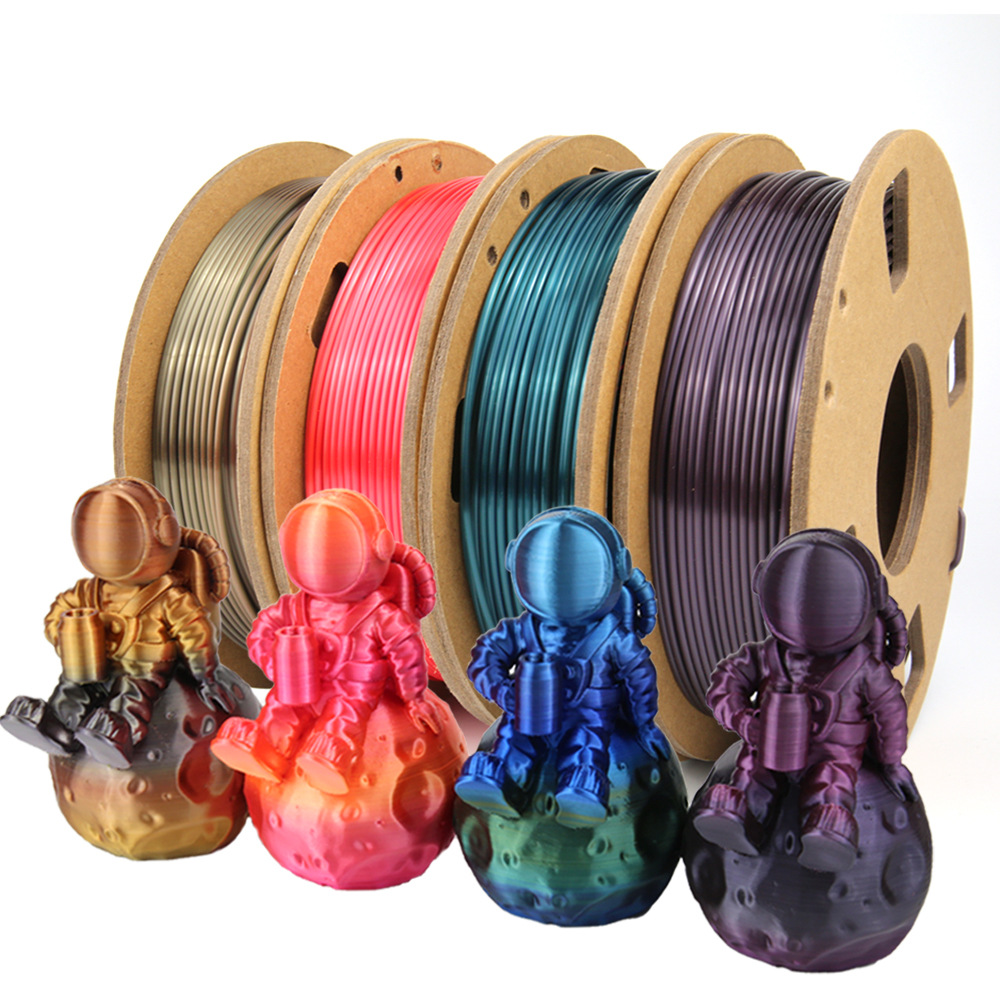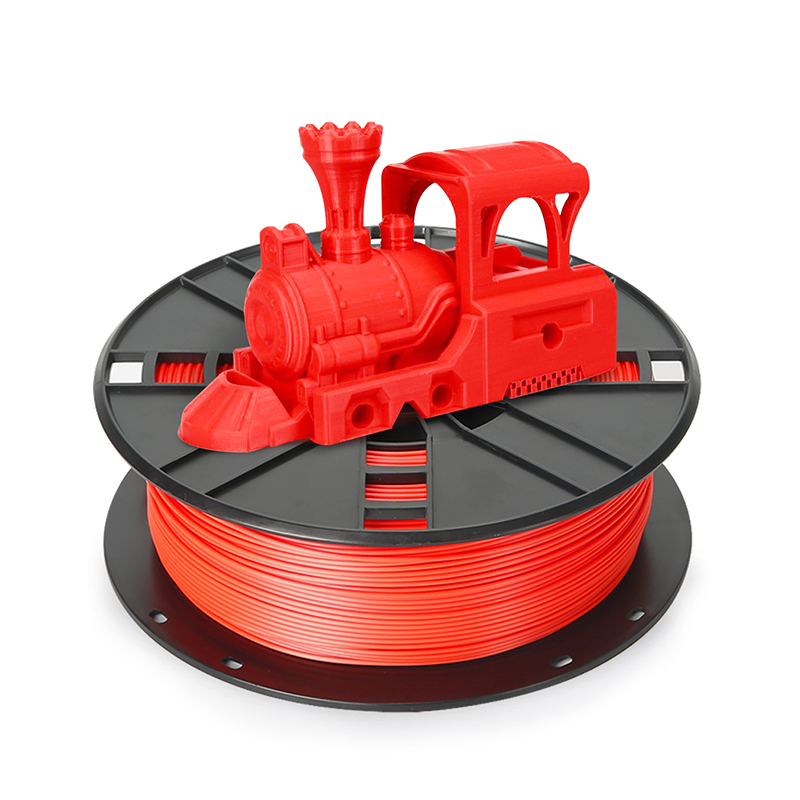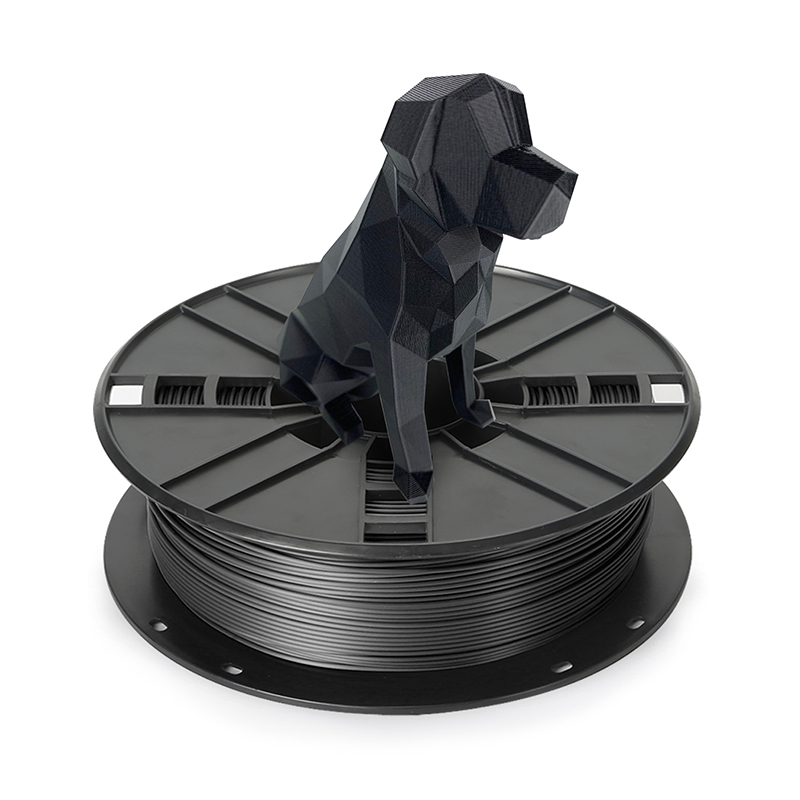
Featured Additive Manufacturing & TPU Filament Solutions
High-precision thermoplastic formulations developed for seamless extrusion, ultra-layer adhesion, and reliable dimensional stability.
Singapore's Additive Manufacturing Revolution & Industrial Landscape
Strategic deployment of Thermoplastic Polyurethane (TPU) materials across the Lion City's cutting-edge advanced manufacturing ecosystem.
Jurong Innovation District & Industry 4.0
Singapore has firmly established itself as Southeast Asia's foremost advanced manufacturing nerve center. Within industrial clusters such as the Jurong Innovation District (JID) and Seletar Aerospace Park, engineers leverage flexible thermoplastic polyurethane (TPU) to fabricate functional end-use prototypes, customized robotic end-effectors, shock absorption dampers, and resilient fluid seals without traditional mold constraints.
Maritime & Offshore Elastomeric Tooling
As one of the busiest maritime transshipment hubs globally, Singapore's marine and offshore engineering firms increasingly adopt on-demand 3D printing of TPU components. The material's innate resistance to hydrocarbons, saline corrosion, mechanical abrasion, and hydraulic wear makes it an indispensable asset for rapid gasket manufacturing and customized protective underwater housings.
Biomedical & MedTech Innovation
At Biopolis and Singapore Science Park, leading MedTech enterprises integrate biocompatible and skin-contact certified flexible polymers. TPU 3D printing materials provide the optimal balance of elasticity, ergonomic compliance, and sterilizability necessary for orthotic devices, patient-specific prosthetics, anatomical models, and wearable digital health sensors.
Technical Specification, Elastomeric Mechanics & Processing in Tropical Climates
Thermoplastic Polyurethane (TPU) bridges the mechanical gap between pliable silicone elastomers and rigid engineering thermoplastics like ABS and PETG. Consisting of alternating blocks of hard segments (diisocyanates) and soft segments (polyols), TPU provides unmatched elongation-at-break values, superior abrasion resistance, and extraordinary dampening characteristics under cyclic stress conditions.
Key Engineering Properties of Industrial TPU Filament
When selecting TPU material for additive manufacturing in Singapore's high-tech industrial base, design engineers evaluate Shore hardness grades ranging from flexible 85A to semi-rigid 95A and 64D:
| Property Parameter | Shore 85A Flexible Grade | Shore 95A Industrial Standard | Testing Protocol |
|---|---|---|---|
| Tensile Strength (MPa) | 32 - 38 MPa | 45 - 55 MPa | ASTM D638 / ISO 527 |
| Elongation at Break (%) | 550% - 650% | 450% - 550% | ASTM D638 / ISO 527 |
| Abrasion Resistance (mm³ loss) | 25 mm³ | 35 mm³ | DIN 53516 / ISO 4649 |
| Glass Transition Temp (Tg) | -42 °C | -35 °C | DSC, 10°C/min |
| Recommended Extrusion Temp | 215 °C - 230 °C | 225 °C - 245 °C | Direct Drive Extruder |
| Diameter & Roundness Tolerance | ±0.02 mm | ±0.02 mm | Dual-Axis Laser Micrometer |
Overcoming Environmental Challenges: Hygroscopic Mitigation in Southeast Asia
Singapore’s equatorial climate features an average relative humidity (RH) exceeding 80%. Thermoplastic polyurethanes possess ester and ether linkages that are intrinsically hygroscopic. Exposure to ambient moisture leads to rapid hydrolytic degradation during the high-temperature melting phase inside the 3D printer nozzle, resulting in foaming, micro-void bubbling, excessive stringing, and compromised inter-layer adhesion.
Our manufacturing and supply infrastructure integrates sealed nitrogen-flushed packaging alongside specialized multi-barrier aluminum foil vacuum protection. We mandate 24-hour post-packaging seal integrity inspections, guaranteeing that customers across Tuas, Woodlands, and Changi receive moisture-free filaments primed for immediate precision fabrication.
Manufacturing Excellence, Equipment & Strict Factory Standards
Our production facilities maintain global certifications, advanced multi-stage laser monitoring, and verified virgin polymer sourcing to ensure zero-defect material batches.
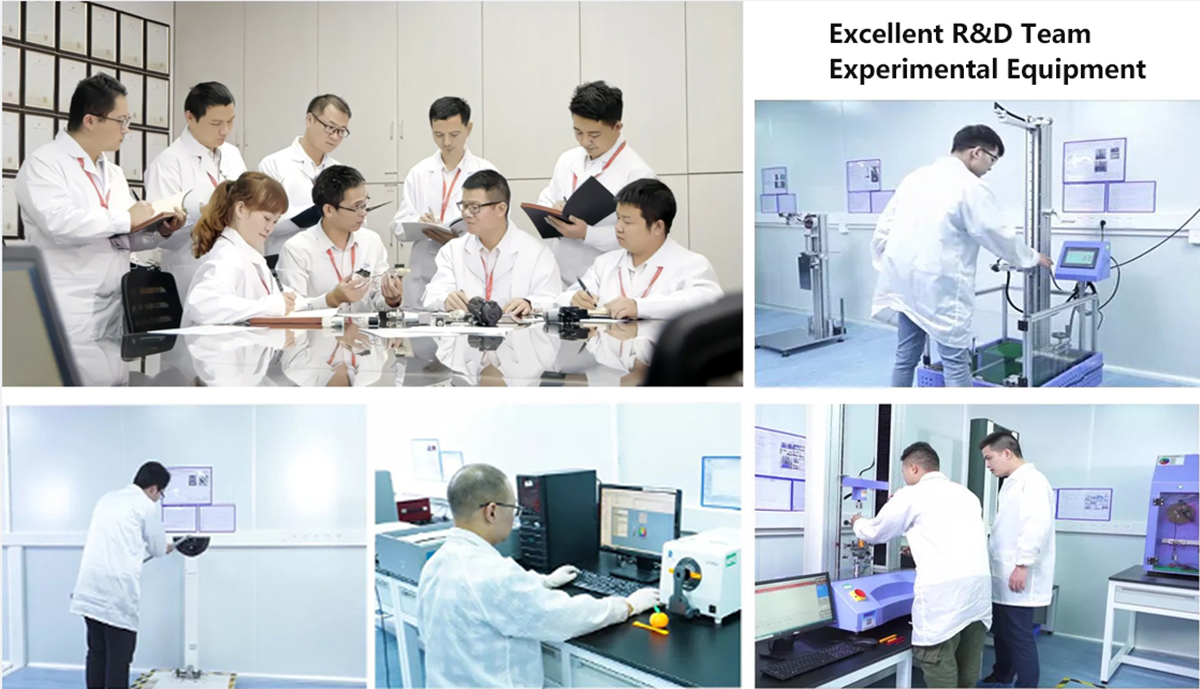
Quality Control
The factory area has passed ISO45001 occupational health and safety management system certification. Every new employee must be experienced one week of safety production knowledge teaching and two weeks of produce skills training, and master every course in the production process. Who is in the position will be responsible for its duty.
Our operational protocols adhere to strict standard operating procedures (SOPs) designed to minimize human error, regulate cleanroom filament extrusions, and uphold uncompromised industrial worker safety across all operating shifts.
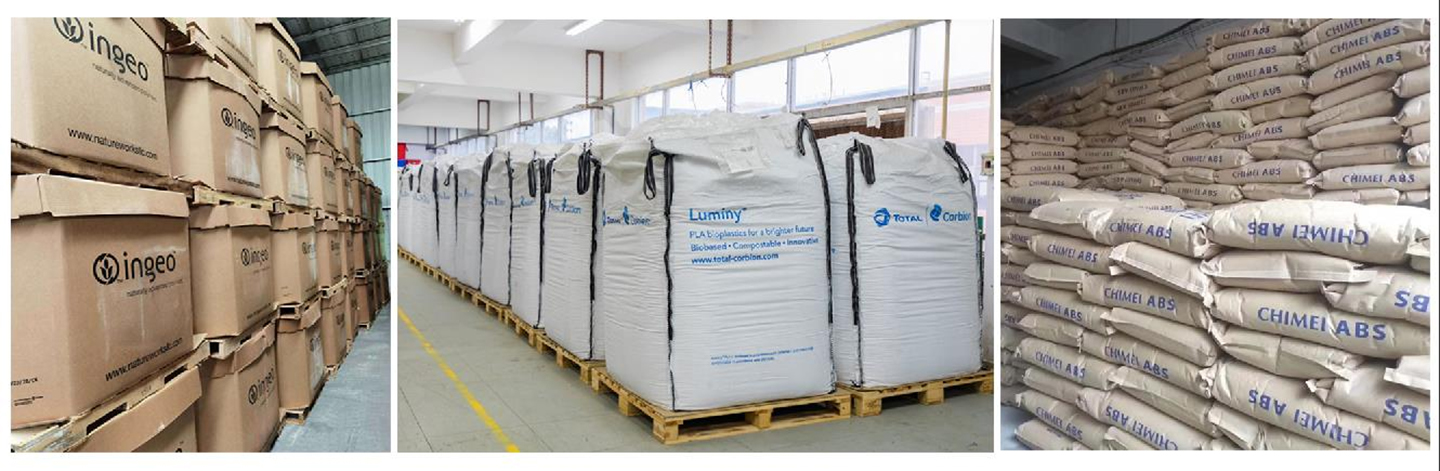
Raw Material
PLA is the most preferred material for 3D printing, Torwell firstly chooses PLA from US NatureWorks, and Total-Corbion is the alternative. ABS from TaiWan ChiMei, PETG from South Korea SK. Each batch of main raw materials comes from the partners who has cooperated more than 5 years to ensure the reliability of the products from the source. Each batch of raw materials will undergo parameters inspection before produce to ensure that raw materials are original and virginal.
For our flexible TPU polymer grades, we source ultra-pure polyurethane pellets characterized by narrow molecular weight distributions and uniform melt flow indices (MFI), preventing thermal nozzle clogging and ensuring reliable layer fusion.
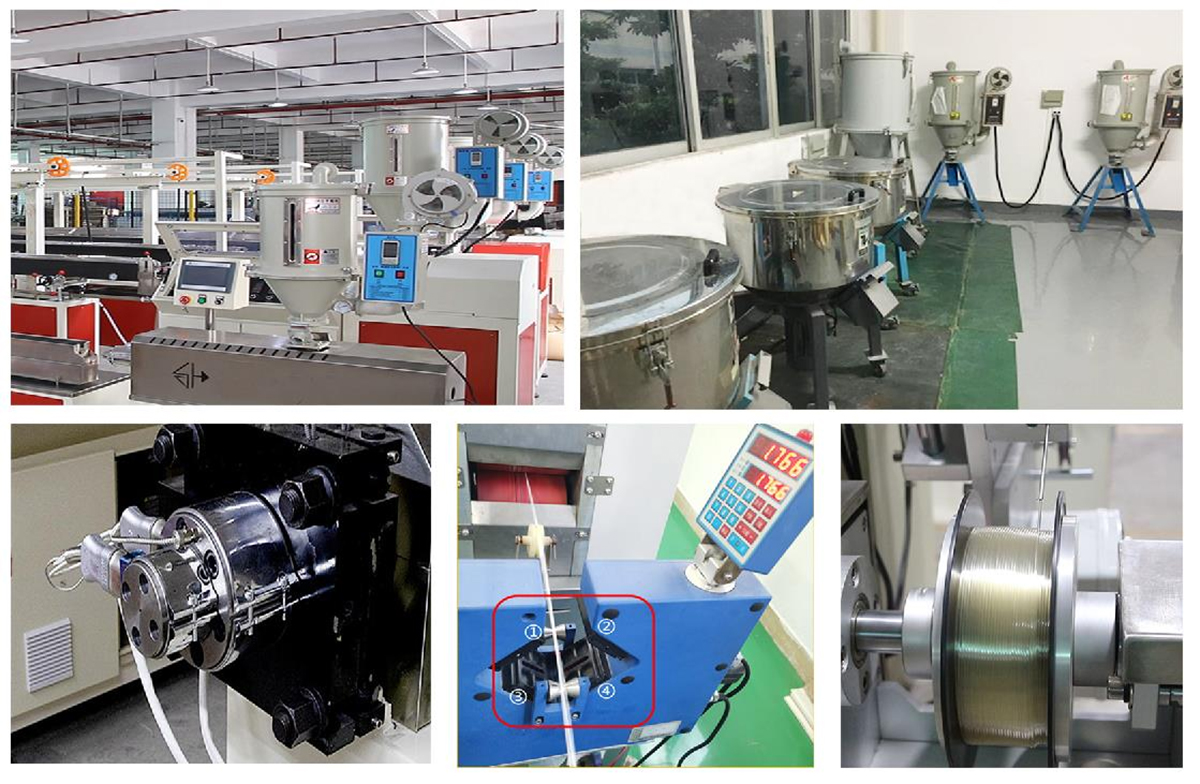
Equipment
The manufacturing workshop will make arrangements after the inspection of raw materials, at least two engineers cross-check the clearance of mixing tank, color mixed of material, humidity from hopper dryer, temperature of extruder, hot/cool tank, and trial-produce and debugging the produce line to make sure all of processes in the best condition. Maintain the filament Diameter tolerance +/- 0.02mm, Roundness tolerance +/- 0.02mm.
Equipped with closed-loop laser measurement feedback systems, our continuous high-speed extrusion lines automatically calibrate motor feeds in real time to guarantee that every single meter of spool conforms to ultra-stringent dimensional specifications.
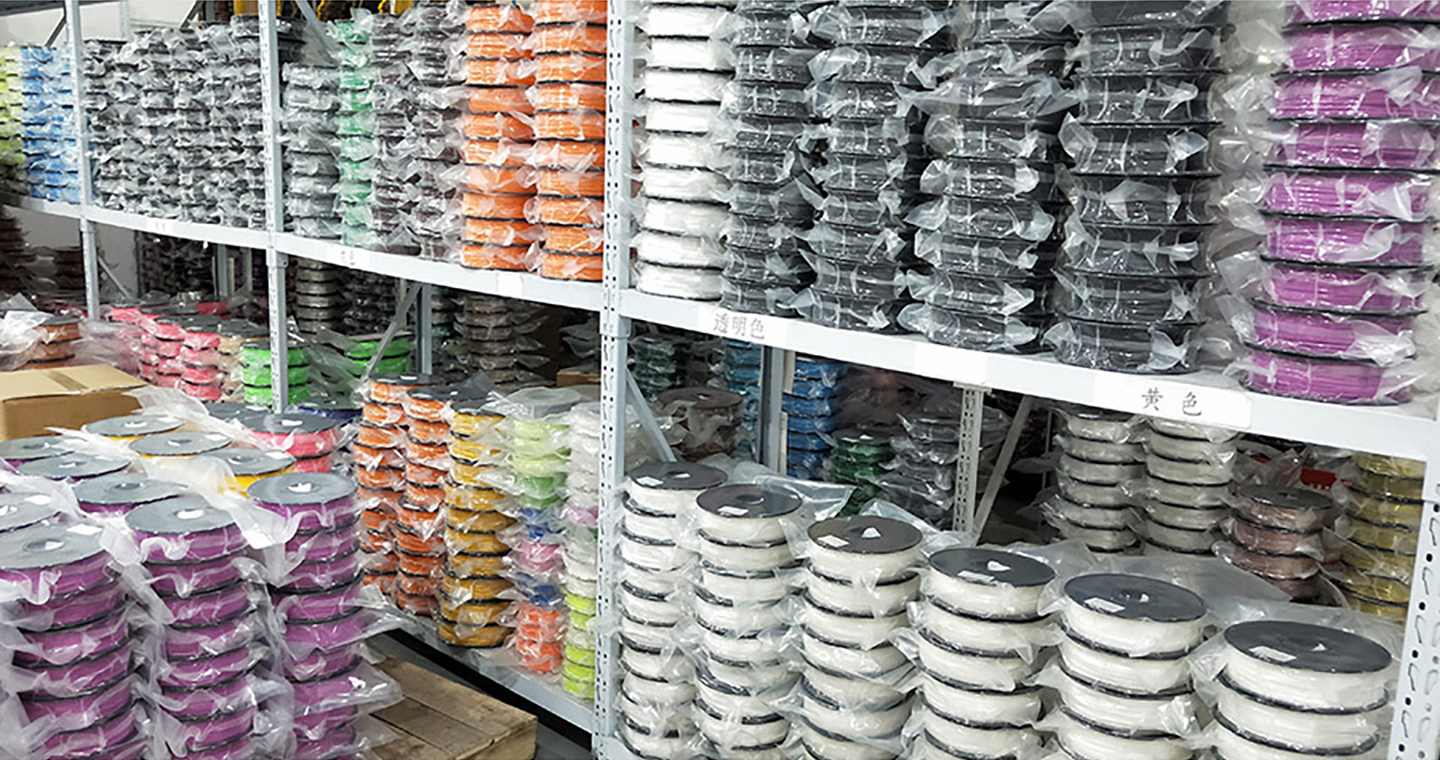
Final Inspection
After each batch of 3D filament is produced, two quality inspectors will conduct random inspections on each batch of finished products in accordance with the requirements of the standard, such as diameter tolerance, color consistency, strength and toughness and so on. After vacuuming the package, place them for 24 hours to check whether there is any leaking package, then label it and finish the package.
Batches undergo rigorous test prints on industrial-grade Cartesian and CoreXY printers to ensure steady melt rheology, flawless inter-layer bonding, and zero delamination before dispatch to our Singapore and Southeast Asian distribution channels.
Trends Shaping the 3D Printing Material Supply Chain in Singapore & APAC
The manufacturing landscape across Singapore is evolving rapidly toward decentralized production, just-in-time (JIT) spares logistics, and localized circular economy practices. As supply chains prioritize carbon footprint reductions, high-durability TPU materials eliminate the need to warehouse massive inventories of vulnerable rubber parts subject to shelf-life degradation.
Why Leading Singapore Enterprises Choose Our Factory Partnership
- Direct Factory Pricing with Scalable Tier Discounts: From low-volume engineering iterations at university research labs to large production runs in Tuas, we deliver cost advantages without intermediary markups.
- Custom Color Matching & Hardness Compounding: Tailored RAL/Pantone color matching alongside engineered hardness tuning from 75A to 60D for bespoke commercial requirements.
- Prompt Regional Logistics: Strategically situated supply distribution pathways allowing rapid dispatch across Singapore's industrial parks, R&D institutions, and regional regional partners across ASEAN.
- Full RoHS, REACH, and ISO Compliance: Every batch is supplied with detailed material safety data sheets (MSDS) and technical data sheets (TDS) fulfilling compliance mandates for multinational corporations.
Accelerate Your Additive Manufacturing Capabilities in Singapore
Need customized TPU formulations, technical material data sheets, or volume distribution rates for your Singapore industrial projects? Connect with our polymer engineering specialists today.
Inquire Material SpecificationsComplete Engineering Materials & 3D Printing Filament Catalog
Explore our complete spectrum of industrial filaments engineered for commercial 3D manufacturing, rapid prototyping, and high-impact structural applications.